
The radiator started leaking at 5 p.m. By 6 p.m., a Houston Truckup technician was under the hood. Most shops would have closed at midnight. At 4 a.m., the tech was still working.
Fernando Castro got the call before sunrise: the driver was rolling. No cancelled load, no replacement truck, no apology call to a customer.
"They worked on it throughout the entire night. So the driver was able to drive that day," Fernando said.
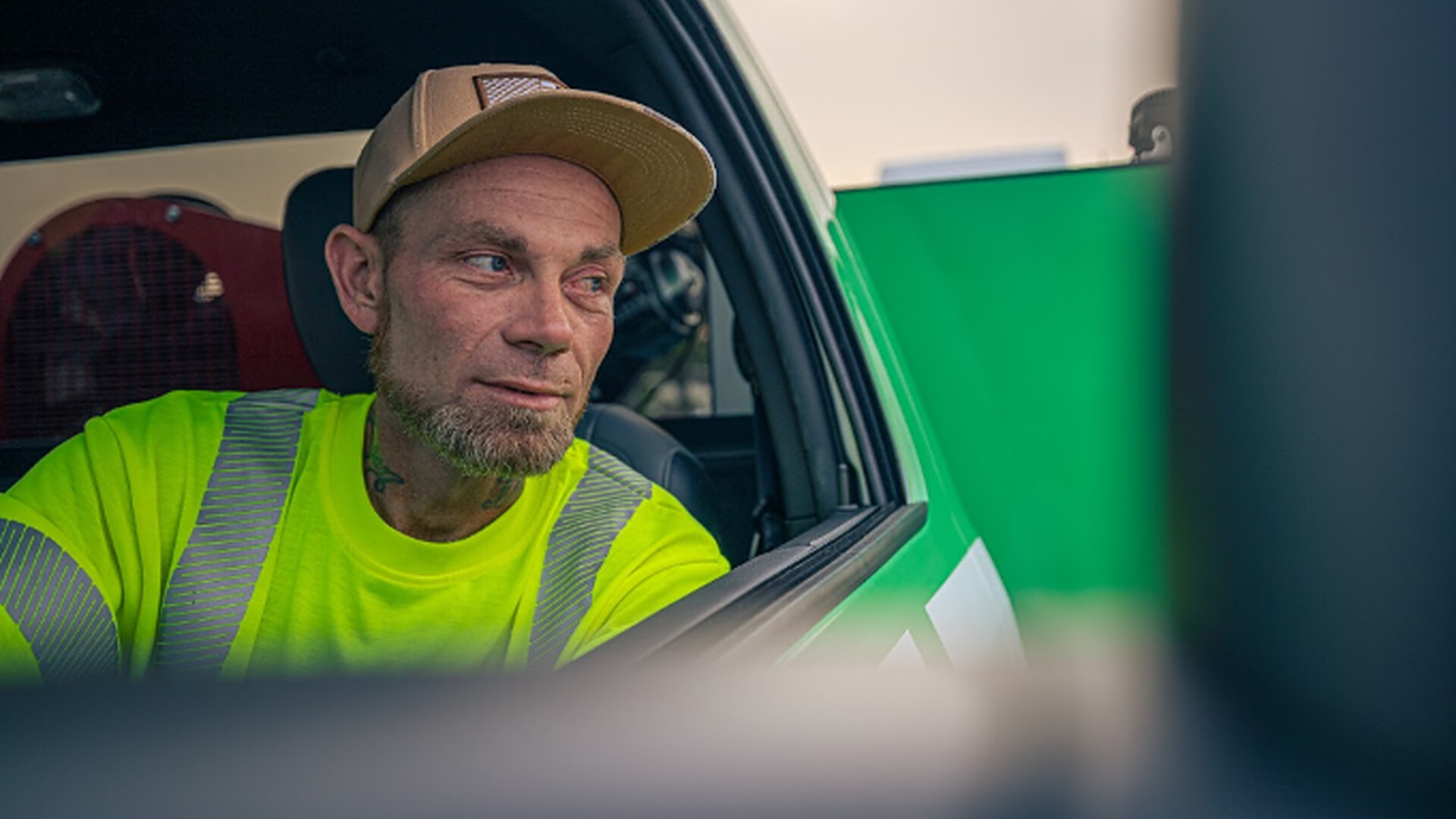
He knows what that night meant to the driver, because not long ago he was the driver waiting for that call.
Key Findings
- Fernando Castro drove trucks before he owned them. MegaTrucking now runs across Texas and Florida, with Arkansas and Louisiana next.
- An overnight roadside repair on a leaking radiator kept a scheduled load moving: the tech started at 6 p.m. and had the driver rolling by morning.
- Fernando credits reliable maintenance, not added rules or training, for both his driver retention and his ICSA safety award.
- Three to ten calls a week over several years turned a dispatcher relationship into a shorthand that skips the explanation step entirely.
From the Driver's Seat to the Owner's Chair
Before he owned MegaTrucking in Houston, Fernando Castro drove trucks. The company he built from that experience is a family operation that has expanded into Florida and across Texas, with routes running through Dallas and San Antonio and plans to grow into Arkansas and Louisiana.
Driving taught him the arithmetic that governs the business: lost miles are lost money. A truck that is not on the road is not delivering, and the loss compounds when a driver is broken down at 5 a.m., far from home, with no open shop nearby and no answer from a number that advertised 24/7 service. Fernando has made that call and heard it ring out.
"It doesn't look good on us whenever we have to cancel a load," he said.
Maintenance as a Retention Strategy
MegaTrucking has not had a driver-turnover problem in Fernando's years running it, a record he considers rare in the industry. The company also recently earned an ICSA safety award. Fernando credits maintenance for both, not added rules or extra training. On-site DOT inspections keep the trucks compliant, and reliable repairs keep them earning.
"It's really about keeping these guys moving," he said. "Maintenance has a big part of that."
The overnight radiator repair is what that looks like in practice: the truck was back in service by morning, and a driver who has sat in a broken truck himself did not have to.
A Dispatcher Relationship Built on Hundreds of Calls
Fernando calls his Truckup dispatcher, David, three to ten times a week by his own count. Over years and hundreds of calls, the two developed a shorthand: no long explanations, no justifying why a 5 p.m. breakdown needs attention that night, no haggling over after-hours rates.
"David and I have grown somewhat of a relationship to where the majority of it is understood," Fernando said.
Before that, his maintenance ran on whatever service was available when a truck went down: quick fixes, a different provider each time, no consistency. "That's a game changer when you're comparing different roadside places," he said.
The Advantage of Having Been the Driver
Former drivers run maintenance differently because they have been on the other end of it. They choose vendors on whether the truck actually rolls, ask about response at 2 a.m. rather than rates at 2 p.m., and treat driver trust as an operating asset. For Mega Trucking, that approach shows up in the numbers that matter to a growing carrier: drivers who stay, a safety award, and expansion plans in two more states.
"Every mile that you drive there is somewhat of a profit," Fernando said. "You go as far as the people that you put around you."

.avif)