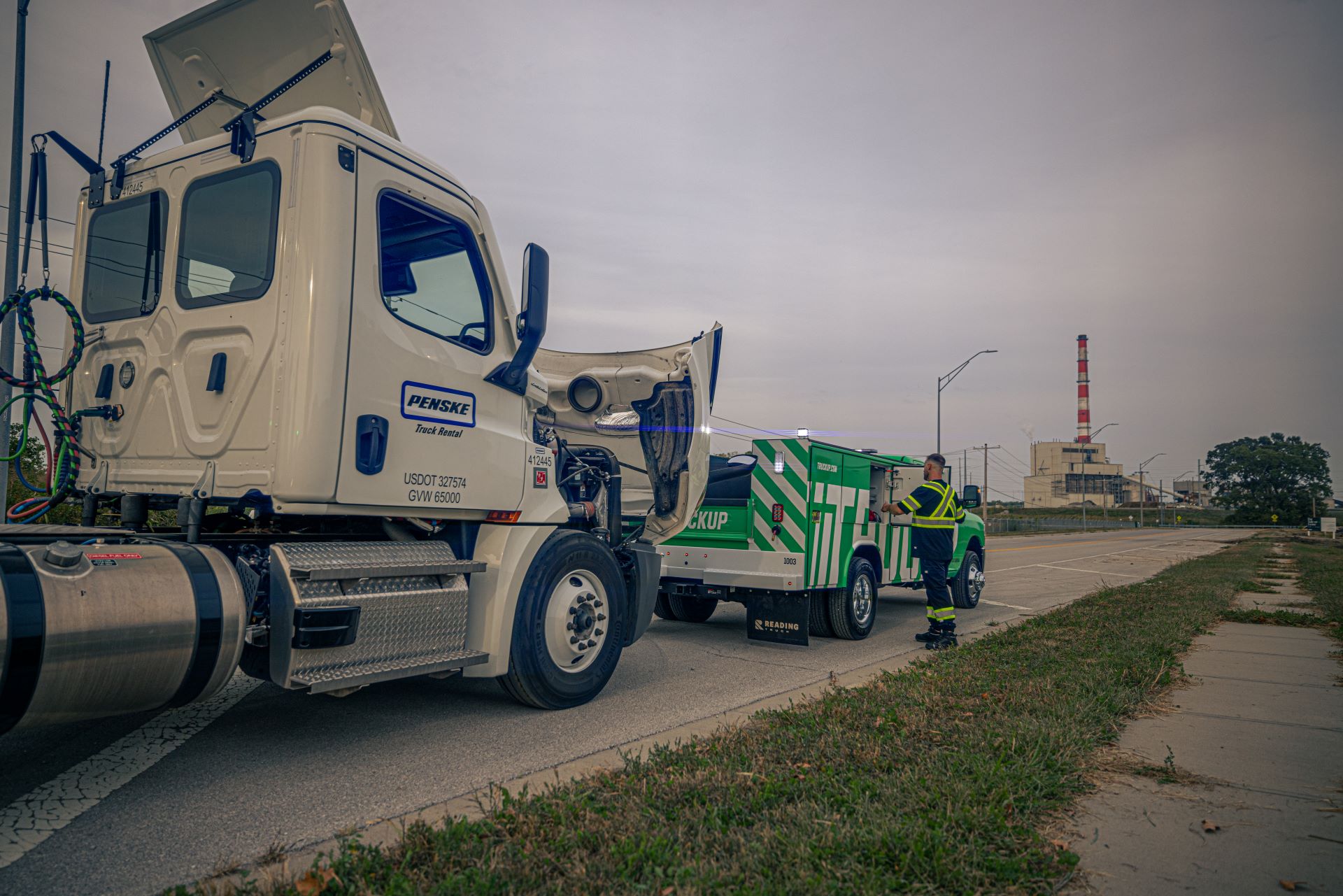
Picture this: one of your trucks breaks down miles from the nearest service center, causing delivery delays and escalating operational costs. For fleet managers, these unforeseen disruptions impact revenue, customer satisfaction, and overall fleet efficiency. This is precisely where mobile truck repair services can offer a transformative solution.
By bringing skilled technicians and the necessary tools directly to your vehicles, mobile repair services eliminate the need for expensive towing and extended downtime at repair shops. Addressing mechanical issues on-site keeps your trucks on the road and your schedules intact. Moreover, these mobile repairs support a proactive maintenance approach, enabling fleets to maintain consistent performance and build resilience against unexpected breakdowns.
In this article, we’ll explore how integrating mobile truck repair into your maintenance strategy can significantly enhance your fleet's operations. From minimizing downtime and reducing repair costs to improving operational efficiency and boosting driver confidence, these services play a crucial role in developing a high-performing fleet equipped to handle any challenge, rain or shine, near or far.
How Mobile Semi-Truck Repair Services Can Help Build a More Adaptable and Successful Fleet Operation
Adaptability is at the heart of every successful fleet operation. To ensure on-time deliveries despite unpredictable routes and high customer expectations, you need a maintenance strategy that keeps trucks moving and minimizes costly disruptions. That’s where mobile heavy-duty repair services come in, providing on-the-go maintenance, emergency response, and preventive support that make fleets stronger, faster, and more resilient.
Here are some of the key ways mobile repair services drive adaptability and success in modern fleet operations:
1. Reduced Downtime and Faster Turnarounds
Time is crucial in the trucking industry, as even minor delays can have significant financial consequences. When a truck breaks down, addressing the issue quickly becomes essential. Mobile repair technicians provide an effective solution by coming directly to the breakdown site, whether it's a rest area, the shoulder of a highway, or a delivery yard.
A reliable on-site mobile repair service will help reduce time lost to towing and avoid the long waits often experienced at repair shops. By ensuring a prompt response, mobile repair services empower fleets to get back on the road faster, uphold delivery schedules, and enhance customer satisfaction.
2. Improved Cost Efficiency
Mobile services significantly improve cost efficiency by allowing for early detection of issues. This proactive approach helps prevent costly towing fees and extended periods in repair shops.
By incorporating rapid diagnostics with on-site repairs, these services reduce direct repair costs while minimizing indirect expenses. This includes lessening driver downtime, ensuring timely deliveries, and decreasing fuel wastage, contributing to a more streamlined and efficient operation.
3. 24/7 Availability for Critical Response
Fleet breakdowns can occur at any time, so having access to mobile truck repair services 24/7 is essential. This ensures drivers can receive immediate assistance at any hour, effectively minimizing downtime and maintaining seamless operational continuity.
Additionally, this round-the-clock support fosters greater driver confidence, as they know that help is readily available with just a phone call.
4. Customized Maintenance Support
Mobile repair providers frequently offer tailored maintenance programs tailored to your fleet's specific age, routes, and repair history. These personalized services encompass a range of solutions, including seasonal checks and mileage-based inspections.
By adopting these customized maintenance strategies, fleet managers can proactively address maintenance needs, ultimately extending the lifespan of their vehicles and minimizing the likelihood of recurring issues.
5. Enhanced Driver Safety and Confidence
When drivers get stuck on the roadside, they face high stress and safety risks. Mobile repair services come in handy for quickly fixing problems and keeping them moving by ensuring the trucks are in good condition and comply with DOT regulations. Their prompt response eases the driver’s stress, boosts their confidence and focus, and leads to safer driving for the fleet.
6. Data-Driven Maintenance Insights
Mobile repair services are using advanced tools to help manage vehicle maintenance. These tools, such as diagnostics and telematics, enable providers to track vehicle performance and identify recurring problems. With this information, fleet managers can spot maintenance trends, schedule services more effectively, and plan their budgets for repairs and maintenance.
By using these technologies, providers can improve the efficiency and reliability of their fleet operations, resulting in better performance and less downtime.
7. Operational Flexibility and Continuity
Partnering with mobile repair mechanics who offer flexible services is essential to ensuring operational flexibility and logistics continuity. Unexpected repairs can disrupt delivery schedules, but mobile repair services offer an effective solution by promptly restoring vehicles and minimizing route disruptions.
This flexibility helps businesses adjust their routes, improve dispatch practices, and keep high service quality, even when unexpected issues arise. By adopting this proactive approach, companies can significantly improve the efficiency of their logistics operations.
8. Stronger Fleet Reliability and Uptime
Regular on-site maintenance is essential to enhancing fleet reliability. Mobile repair teams typically inspect multiple vehicles during each visit, enabling them to identify and resolve hidden issues before they cause breakdowns. This proactive maintenance strategy increases vehicle uptime and ensures every truck is prepared and available for upcoming assignments.
9. Sustainability Through Reduced Tow Miles and Idling
Mobile repairs play a crucial role in promoting sustainability within the automotive industry. By reducing towing distances and minimizing idle time during service waits, mobile repairs help conserve fuel and lower emissions. This method effectively eliminates unnecessary towing and reduces the time vehicles are left inactive. Consequently, fleets can better align with their environmental objectives, thereby enhancing their sustainability efforts.
10. Streamlined Communication and Digital Reporting
Mobile repair providers increasingly utilize connected platforms that deliver real-time updates, diagnostic summaries, and invoices straight to fleet managers. This approach enhances transparency, simplifies record-keeping, and boosts accountability. Additionally, it establishes a clear paper trail essential for compliance and warranty management.
11. Scalability for Growing Fleets
As your fleet grows, managing shop appointments can become increasingly challenging. However, mobile repair services offer a scalable solution that can adapt easily to your needs. You can add technicians, expand coverage areas, or increase the number of service trucks as your operations develop. This flexibility helps ensure consistent maintenance quality while minimizing downtime for your entire fleet, regardless of its size.
Tools and Technology That Power Mobile Truck Repair Services
Mobile truck repair services rely not only on the expertise of skilled technicians but also on advanced tools and technology that support them. These advancements enable quick, reliable, and effective on-site repairs, regardless of the fleet's location. By understanding the technology that underlies these services, fleet managers can better appreciate their importance and improve their maintenance strategies.
Here are some of the tools and technologies that mobile heavy-duty repair technicians use to diagnose issues accurately, perform efficient on-site repairs, and keep fleets running at peak performance:
1. Onboard Diagnostic (OBD) and Telematics Systems
Modern trucks have advanced OBD systems and telematics sensors that monitor engine performance, fuel efficiency, and system faults. These remote diagnostic technologies empower mobile repair technicians to access and use real-time to data to get a clear picture of a semi-truck's health status and detect anormalies before breakdowns..
Technicians can significantly reduce guesswork by identifying error codes and accurately pinpointing mechanical or electronic issues. This capability enhances repair efficiency and ensures issues are resolved correctly during the first visit.
2. Portable Diagnostic Tools and Software
Advanced handheld diagnostic scanners and laptop-based programs empower technicians to connect directly to a truck's onboard computer at the breakdown site. These innovative tools can read engine codes, perform system resets, and even update firmware.
When used alongside manufacturer-specific software, they enable mobile mechanics to perform diagnostics that closely resemble those conducted by in-shop technicians. This effective combination enhances efficiency and ensures technicians can provide timely, accurate repairs on the go.
3. Mobile Service Trucks with Built-In Equipment
Each mobile repair unit operates as a fully equipped workshop on wheels. These trucks have various essential tools, including air compressors, hydraulic jacks, welding kits, tire changers, and generators.
This comprehensive setup enables technicians to tackle multiple complex tasks, from brake repairs to electrical diagnostics, right at the vehicle's location. As a result, fleets can significantly reduce valuable towing time and enhance their operational efficiency.
4. Cloud-Based Maintenance Management Platforms
Mobile repair providers are increasingly integrating with fleet management software that leverages the cloud to store essential information, such as service history, schedules, and diagnostic data.
The integration empowers fleet managers to track repairs effectively, analyze performance trends, and proactively plan preventive maintenance based on real-time insights. Moreover, the digital connection between mobile repair teams and fleet operations fosters seamless coordination and enhances transparency in reporting, leading to improved operational efficiency.
5. GPS Tracking and Route Optimization Tools
Having precise location data is essential in the event of a breakdown. Mobile repair teams can leverage GPS tracking to swiftly identify the location of stranded trucks and find the quickest routes for response. This approach significantly reduces wait times and improves the efficient dispatch of nearby technicians, ensuring prompt, effective assistance.
6. Digital Communication and Reporting Apps
Mobile technicians utilize smartphone and tablet applications to efficiently document repairs, upload images, and provide real-time progress updates to fleet managers. These innovative digital tools accelerate approvals, streamline invoicing, and generate comprehensive service records accessible from any device.
The mobile apps significantly improve communication and collaboration by fostering greater transparency and trust between repair providers and fleets.
7. Advanced Power and Diagnostic Equipment
These mobile truck repair technicians are also equipped with portable power inverters, battery boosters, and comprehensive testing kits to help them address on-site electrical and starting system challenges. When paired with advanced diagnostic tools, these resources enable thorough repairs and testing of trucks, ensuring they are fully operational before returning to service.
8. Remote Assistance and Augmented Reality (AR) Support
Many mobile repair companies are beginning to integrate augmented reality (AR) and remote diagnostic support into their services. This innovative approach enables field technicians to collaborate with experienced specialists through AR glasses or video calls, facilitating complex troubleshooting.
This method enhances service efficiency and precision by combining hands-on repair with expert insights, resulting in faster resolutions and improved customer satisfaction.
These technologies collectively make mobile truck repair services faster, smarter, and more reliable, helping fleets maintain maximum uptime with minimal disruption. As innovation continues, we can expect even greater integration between telematics, data analytics, and mobile diagnostics, making fleet maintenance more predictive and cost-efficient than ever before.
Best Practices for Integrating Mobile Truck Repair Services into Fleet Operations
Successful integration of mobile truck repair services into fleet operations demands more than scheduling repairs on demand. It requires a strategic approach that aligns maintenance, logistics, and communication to enhance efficiency, minimize downtime, and strengthen overall fleet resilience. Below are key best practices to help you seamlessly incorporate mobile repair into your operations.
1. Partner With Reputable and Certified Service Providers
To get the most out of your mobile repair program, it's essential to work with a reliable, certified partner experienced in heavy-duty truck maintenance. You need a team that offers transparent pricing, wide service coverage, and a consistent track record of delivering high-quality repairs on time.
At Truckup, we pride ourselves on being that trusted partner for fleets and truck operators nationwide. Our certified technicians are available 24/7, equipped to handle emergency breakdowns, scheduled maintenance, and on-site diagnostics wherever your trucks are. We focus on fast response times, dependable workmanship, and solutions that keep your fleet on the road longer and performing better.
Successful partnerships go beyond repairs. That’s why we emphasize proactive maintenance planning, clear communication, and data-driven visibility, ensuring you have a complete picture of your fleet’s health and performance.
2. Integrate Mobile Repairs Into Your Preventive Maintenance Plan
Mobile repair services should be more than reactive to ensure they play a key role in scheduled maintenance. Arrange for on-site inspections, fluid checks, and part replacements during off-peak hours or while trucks are parked overnight. This minimizes disruptions and ensures vehicles are always road-ready without losing operational time.
3. Use Fleet Management Software to Track and Coordinate Repairs
Digital maintenance tools make integration smoother and more transparent. Connect your mobile repair provider’s system with your company's fleet management software to centralize service histories, upcoming maintenance schedules, and cost reports. This ensures every repair is logged, trends are easily analyzed, and accurate data informs decisions.
4. Train Drivers on How to Communicate Roadside Issues Efficiently
Drivers are your first line of defense when breakdowns occur. By providing them with training on communicating issues clearly, they can report problems efficiently and share accurate location details.
Additionally, equipping them with basic troubleshooting skills can significantly enhance response times. This proactive approach allows technicians to prepare the necessary tools and parts, streamlining the overall support process and ensuring a quicker resolution.
5. Establish Clear Communication Protocols
To achieve successful integration, it is essential to foster clear, efficient communication among drivers, dispatchers, and mobile technicians. Use digital apps or messaging systems that allow real-time updates, photo uploads, and status tracking during service calls. Clear communication reduces confusion, ensures accountability, and enhances response efficiency.
6. Leverage Data From Mobile Repairs for Continuous Improvement
Each service visit offers valuable insight into your fleet’s performance. Analyze recurring issues, repair frequency, and cost data from your mobile repair records to identify patterns. These insights can guide proactive maintenance planning, parts inventory management, and technician training, improving performance across your entire operation.
7. Create a Response Plan for Emergencies
Create a comprehensive plan outlining procedures for handling truck breakdowns, including who to contact, how to log the issue, and strategies for dispatchers to efficiently reroute deliveries. This plan will enhance your mobile repair provider's responsiveness and ensure drivers receive the support they need during unforeseen incidents.
8. Regularly Review and Evaluate Service Performance
Integration doesn’t end once services begin. Schedule quarterly or semi-annual reviews with your mobile repair partner to assess response times, service quality, and cost-effectiveness. Use these evaluations to fine-tune your agreement, improve efficiency, and ensure the partnership continues to meet your operational goals.
9. Align Mobile Repairs With Compliance and Safety Standards
Ensure that all mobile repairs comply with DOT and FMCSA regulations, and that service providers maintain accurate documentation for inspections. Compliance-driven repair management prevents fines and reinforces safety and reliability across your fleet.
When properly integrated, mobile truck repair services transform from convenience to strategic advantage. They bridge the gap between reactive and proactive maintenance, helping fleets improve uptime, control costs, and strengthen performance under operating conditions.
Conclusion
Mobile truck repair services are more than just a convenience; they’re a strategic tool for building resilient, high-performing fleets. Providing rapid on-site repairs, preventive maintenance, and access to specialized expertise, these services help fleet managers minimize downtime, reduce costs, and keep operations running smoothly. Integrating mobile repair into your maintenance strategy ensures that trucks stay reliable, drivers remain confident, and your fleet is prepared to handle any challenge on the road.
Investing in mobile truck repair isn’t just about fixing breakdowns; it’s about creating a proactive, forward-thinking fleet management approach that maximizes efficiency and performance. Mobile truck repair services are an indispensable part of the solution for fleet managers aiming to boost reliability, cut costs, and strengthen operational resilience.