
When a truck breaks down on the road, drivers face long waits, unpredictable repair timelines, and genuine safety risks, especially at night or in remote areas. These repeated breakdown experiences create stress that erodes driver trust in their equipment and in fleet management’s support systems. Over time, frustration builds into disengagement, and disengagement ultimately leads to resignation.
The consequences for fleets go far beyond morale. Losing a single driver can cost tens of thousands of dollars in recruitment, onboarding, and lost productivity. Chronic breakdowns also cause schedule disruptions, customer dissatisfaction, and compliance risks, as remaining drivers are forced to cover the gaps. This cycle of roadside breakdowns, operational delays, and turnover directly undermines fleet efficiency, driver retention, and overall profitability.
For modern fleets, reducing breakdown-related frustration is now a crucial operational and competitive priority. This article offers guidance on minimizing fleet downtime and enhancing productivity.
Moreover, strengthening preventive maintenance practices, improving communication during roadside incidents, and adopting faster and more reliable repair strategies, such as mobile truck repair, are essential steps toward retaining experienced drivers and maintaining stable operations.
This article examines why drivers quit after breakdowns and offers practical, evidence-based strategies that fleets can implement to reduce frustration, enhance driver resilience, and mitigate turnover.
Driver Resilience: Why It Matters for Commercial Heavy-Duty Fleets
Driver resilience is a crucial factor in maintaining the smooth operation of commercial truck fleets. Drivers face growing delivery demands, tighter schedules, and complex compliance requirements, and even minor disruptions can ripple across operations. Without strong support systems, fleets risk losing experienced drivers, which can lead to increased operational gaps and added pressure on remaining team members.
Investing in driver resilience is more than just a morale booster; it’s a strategic imperative. Fleets that focus on predictable maintenance, real-time support, and rapid roadside assistance cultivate an environment where drivers feel equipped and confident.
This proactive approach reduces the chances of disengagement and turnover, safeguarding delivery commitments, maintaining operational efficiency, and fostering long-term workforce stability.
Here’s why prioritizing driver resilience is beneficial for fleet operations:
- Managing Stress from Breakdowns: Drivers already face long hours, tight delivery schedules, and regulatory demands. Equipment failures can increase stress levels, making it essential to minimize disruptions that can further complicate their roles.
- Supporting Safe Responses in High-Risk Situations: Resilient drivers are better equipped to remain calm during roadside breakdowns, whether they occur at night, on busy highways, or in remote locations. This resilience allows them to respond safely while awaiting assistance.
- Reducing Turnover and Recruitment Costs: Frequent breakdown incidents can lead to driver burnout and attrition. By addressing these challenges, fleets can significantly lessen the financial burden associated with recruiting and training new drivers.
- Enhancing Operational Reliability: When drivers feel supported during mechanical failures, absenteeism and missed routes decrease, leading to more reliable operations overall.
- Mitigating Safety and Compliance Risks: Retaining experienced drivers is crucial for effectively handling emergencies. Replacing seasoned professionals with less experienced hires can increase the likelihood of compliance violations and roadside incidents.
- Building Trust between Drivers and Fleets: Fast response times, clear communication, and reliable equipment reinforce a sense of value among drivers, promoting retention and enhancing performance.
- Stabilizing Fleet Operations: A resilient workforce minimizes the impact of breakdown-related resignations, resulting in fewer disruptions, smoother dispatch processes, and more consistent customer service.
By fostering driver resilience, fleets can not only enhance operational effectiveness but also create a more supportive and stable work environment for their drivers.
What Happens When Breakdowns Become Routine and Why Drivers Start to Quit
Picture this: A driver is traveling on a remote highway when a radiator failure hits in the middle of a scorching summer day. The cooling system can’t keep the engine temperature under control, the cab heats up quickly, and soon the driver notices steam rising from the hood. At the same time, your fleet dashboard pings with a diagnostic alert showing an overheating event.
With no choice, the driver pulls over on the shoulder and tries to reach the nearest repair shop or mobile mechanic. However, in a remote area, especially under extreme heat, a delayed response can quickly escalate frustration and discomfort. As minutes turn into hours, the schedule begins to fall apart, deliveries are pushed back, and customers start to feel the impact of the delay.
For the driver, it’s an exhausting ordeal. For the fleet, it’s a preventable disruption that affects performance, timelines, and customer satisfaction. If breakdowns occur repeatedly, it can understandably lead to driver frustration. However, these situations present an opportunity for fleets to take proactive measures that support drivers and strengthen overall operations.
The Domino Effect of Routine Breakdowns
Vehicle breakdowns can pose significant challenges for drivers and fleets, resulting in a series of interconnected issues.
- Driver stress accumulates: Each unplanned delay adds mental and emotional pressure to your truck driver, reducing their focus and decision-making ability.
- Operational strain grows: Missed deliveries, rescheduled routes, and stretched dispatch teams become the new normal.
- Confidence erodes: Drivers start to doubt the reliability of their trucks and the responsiveness of fleet management.
- Turnover risk rises: Over time, frustration and fatigue prompt skilled drivers to seek more reliable fleets, resulting in gaps in experience and knowledge.
Real Consequences for Fleets
Even if a single breakdown seems minor, repeated incidents have measurable operational and financial impacts:
- Rising driver replacement costs: Recruitment, onboarding, and lost productivity for each replacement driver can exceed tens of thousands of dollars.
- Operational disruption across routes: The shortage of available drivers leads to delayed schedules, missed deliveries, and an increased workload for the remaining staff.
- Heightened safety and compliance risks: Drivers who are stressed or less experienced are more likely to make errors, commit violations, or be involved in preventable accidents.
- Growing customer dissatisfaction: Repeated delays and inconsistent service weaken client trust, threatening long-term revenue and reputation.
Why Addressing Routine Breakdowns Matters
Routine breakdowns slow your fleet’s operations and trigger a ripple effect that impacts drivers, dispatch, and your bottom line. When route schedules got delayed due to breakdowns, drivers became frustrated, and that frustration often leads to disengagement, missed shifts, and turnover.
Frustration can lead to disengagement, which in turn can result in turnover, ultimately contributing to poor fleet performance. Over time, what starts as a mechanical issue becomes a human and operational problem.
- Breaking this cycle requires more than reactive repairs. Fleets must invest in systems and processes that support drivers and prevent repeated breakdowns.
- Proactive maintenance, predictive diagnostics, and mobile repair services ensure that issues are handled quickly and efficiently.
This not only restores driver confidence but also reduces stress, keeps routes on schedule, and minimizes the risk of turnover.
Addressing routine breakdowns effectively protects profitability and operational stability. Drivers who feel supported are more engaged, experienced teams stay intact, and fleets maintain reliability in the eyes of clients. In short, handling breakdowns the right way turns a recurring problem into an opportunity: to strengthen your drivers, your fleet, and your competitive edge.
How Fleet Managers Can Reduce Breakdown Frustration and Improve Driver Retention
Addressing driver frustration and turnover starts long before a truck breaks down. Fleets that proactively support their drivers not only reduce stress but also improve operational efficiency and retention. The key is combining preventive maintenance, rapid response, and effective communication to create a fleet environment where drivers feel equipped and valued.
1. Enhance Fleet Reliability through Predictive and Preventive Maintenance
Implementing regular, scheduled maintenance is essential for minimizing unexpected breakdowns and ensuring the longevity of fleet vehicles.
Moreover, you need to adopt technologies such as telematics, diagnostic tools, and routine inspections. These tools can help your mechanic and fleet manager to proactively identify potential mechanical issues before they escalate into serious problems.
The benefits of predictive maintenance include:
- Early detection reduces roadside breakdowns by identifying worn parts or mechanical issues before they fail, allowing your team to schedule repairs in advance instead of scrambling during an emergency.
- Reliable equipment builds driver confidence because when drivers trust their trucks, they can focus on the road without worrying about unexpected failures, thereby improving safety, comfort, and job satisfaction.
- Planned maintenance cuts costs and downtime by shifting repairs into the shop, preventing expensive emergency callouts, tows, and long delays that throw off your entire schedule.
By adopting these practices, fleets can operate more efficiently and maintain high levels of service continuity.
2. Implement Mobile Repair and Rapid Response Services
When breakdowns happen, timely assistance is crucial. Partnering with a mobile truck repair service operator can dispatch a team of experienced mechanics directly to the driver's location, helping your fleet enjoy benefits like:
- A rapid response from a mobile semi-truck repair technician will significantly reduce downtime, allowing drivers to resume their routes more quickly and helping fleets avoid cascading delays throughout their delivery schedules. This immediate support also prevents minor mechanical issues from escalating into expensive roadside failures or tow-away situations.
- Timely roadside assistance ensures drivers aren’t left vulnerable on the side of the road or in remote areas. This minimizes the exposure to unsafe environments, unpredictable weather, or poor visibility. Quick intervention also helps fleets avoid safety-related citations, traffic obstruction fines, and compliance penalties that often accompany breakdowns in high-traffic zones or restricted corridors.
- Integrating mobile truck repair into your fleet strategy signals a genuine commitment to driver well-being and operational efficiency, showing drivers that their time and safety are treated as priorities, not afterthoughts. This level of support strengthens morale, builds trust, and contributes to higher driver retention, ultimately stabilizing fleet performance and reducing recruitment and onboarding costs.
3. Strengthen Communication Channels during breakdowns
Effective and timely communication during a breakdown is crucial to getting drivers back on the road safely and efficiently. Fleet managers and drivers can leverage mobile truck repair apps that can connect them directly with nearby heavy-duty repair technicians. Sharing details about the vehicle and the issue beforehand allows mechanics to arrive prepared with the right tools, speeding up the repair process. Key steps include:
- Provide real-time updates on repair status and timelines, so drivers aren’t left guessing or feeling stranded on the side of the road.
- Explain exactly what support is on the way and when, giving drivers a sense of control and helping them plan their next steps safely.
- Build trust through transparency and responsiveness, showing drivers that the fleet is attentive, cares about their well-being, and is working diligently to resolve the situation.
4. Cultivating a Supportive Driver Culture
Creating a positive environment for drivers is essential for retention and overall fleet success. As a fleet manager, here are some practical strategies you can implement:
- Encourage open communication to create an atmosphere where drivers feel comfortable sharing their experiences related to maintenance issues and breakdowns. This will enable managers to identify trends early and demonstrate to drivers that their input plays a vital role in driving improvements.
- Recognize and reward achievements regularly to acknowledge and celebrate drivers for their safe and reliable performance. This not only reinforces good practices but also shows drivers that they are valued as integral members of the team, despite the fast-paced nature of operations.
- Offer practical training sessions that provide comprehensive instruction focused on effectively managing breakdowns and emergencies. Equip drivers with the skills and confidence they need to respond safely, thereby underscoring the fleet’s commitment to their well-being.
By implementing these strategies, you can create a more supportive culture that enhances driver satisfaction and retention.
5. Monitor and Analyze Trends
Staying ahead of breakdowns starts with paying attention to what the data is saying. By tracking patterns in breakdowns, repair times, and driver feedback, fleets can turn everyday issues into actionable insights. This helps with:
- Prioritizing fleet-wide maintenance efforts, making sure the most common or most costly issues are fixed first.
- Identifying vehicles or routes with a higher risk of breakdowns enables managers to adjust assignments, enhance inspections, or plan for earlier repairs.
- Driving long-term improvements in reliability and driver satisfaction, because consistent monitoring ensures minor problems don’t grow into bigger, morale-draining disruptions.
Reducing breakdown frustration isn’t just about fixing trucks faster; it’s about creating a holistic support system for drivers. Fleets that combine preventive maintenance, rapid roadside support, clear communication, and a culture of support not only reduce stress but also strengthen loyalty, retain experienced drivers, and maintain smoother operations.
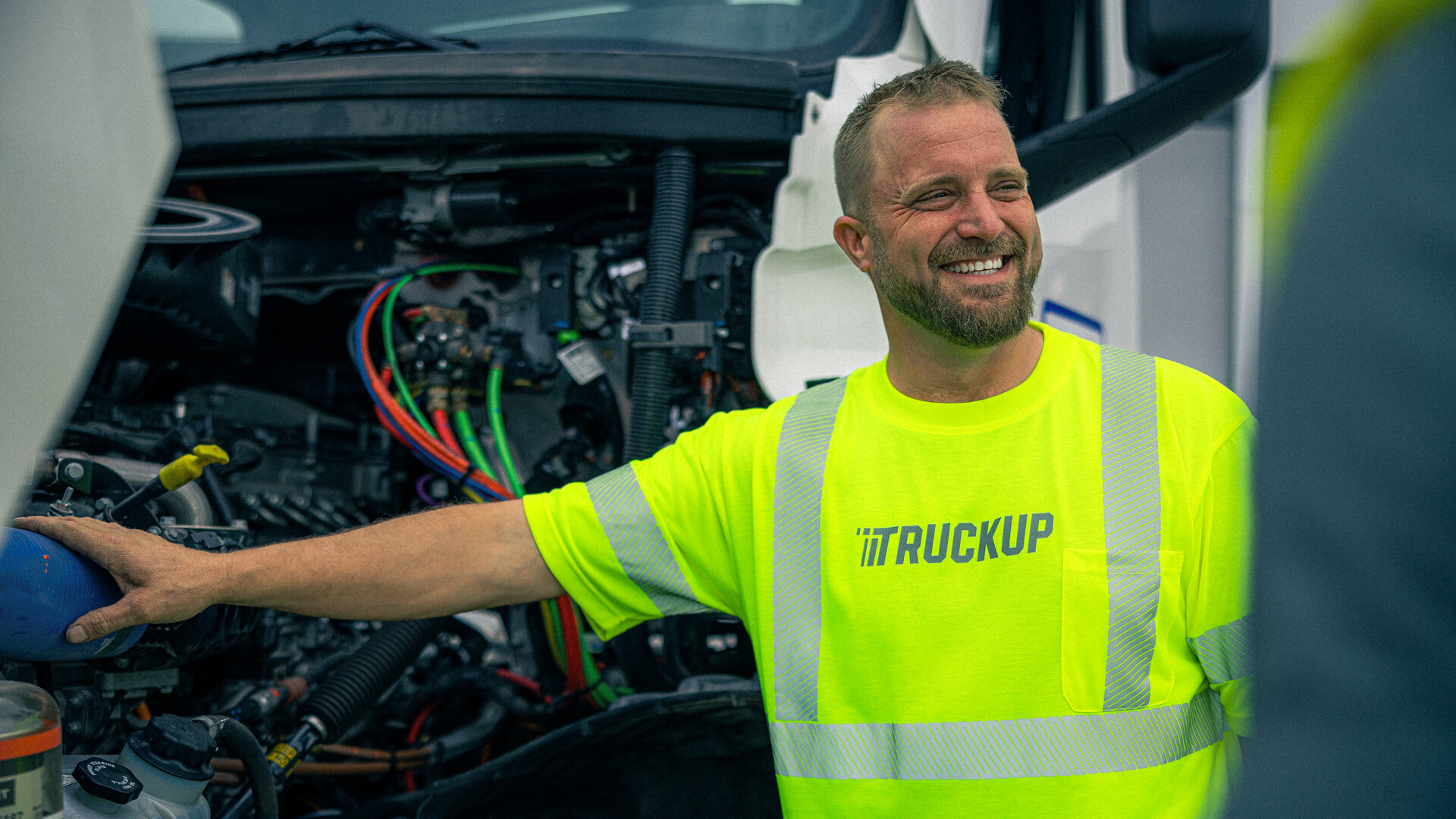
How Truckup, a Mobile Truck Repair Service Provider, Can Enhance Your Fleet’s Operations and Driver Retention
Fleet managers recognize that unexpected breakdowns can significantly impact not only vehicle functionality but also driver morale and overall operational efficiency. Truckup presents a constructive solution designed to tackle these challenges effectively, ensuring your drivers feel supported, secure, and empowered to excel in their roles.
- Swift On-Site Repairs: Truckup’s mobile repair units are dispatched directly to your drivers’ locations, significantly reducing downtime and eliminating lengthy roadside waits. This approach ensures:
- Drivers spend less time stranded, which minimizes frustration and enhances their overall experience.
- A quicker return to routes, helping maintain delivery schedules.
- Improved safety, particularly during night shifts or in isolated areas.
- Proactive and Preventive Maintenance Support: By assisting fleets in identifying potential vehicle issues before they become significant problems, Truckup promotes a proactive maintenance strategy. A proactive maintenance program will enable:
- The prevention of avoidable breakdowns bolsters driver confidence in their equipment.
- A reduction in emergency repair costs, ultimately saving both time and resources.
- Enhanced fleet reliability, contributing to smoother operations and increased driver satisfaction.
- Effective Communication and Real-Time Updates: In the event of a breakdown, Truckup ensures that both drivers and fleet management receive timely updates:
- Transparent communication fosters trust, letting drivers know precisely when help is on the way.
- Fleet managers can efficiently plan and adjust routes, minimizing cascading delays.
- Reducing uncertainty helps drivers remain calm and focused while awaiting assistance.
- Comprehensive Support That Elevates Morale: Truckup’s service extends beyond merely repairing vehicles; it’s about providing essential support to your team:
- Timely and professional assistance makes drivers feel valued and respected.
- A well-supported driver is more likely to remain with your company, leading to lower turnover rates.
- Consistently positive experiences cultivate loyalty and promote operational stability.
By incorporating Truckup’s mobile repair services into your fleet operations, you’re not only facilitating faster repairs but also alleviating driver stress, reducing preventable turnover, and ensuring smooth and efficient operations.
In a competitive trucking landscape, fleets that prioritize driver support through rapid repairs, preventive maintenance, and effective communication can secure a strategic edge, retain top talent, and ensure seamless routes day in and day out.
Conclusion: Keep Your Drivers Confident, Routes Reliable, and Your Fleet Thriving
Breakdowns may be unavoidable, but the stress they create for drivers doesn’t have to be. When drivers face long roadside waits, unclear communication, or repeated equipment failures, their confidence in the fleet diminishes, and retention quickly follows. For fleets already battling driver shortages and rising operational demands, losing experienced drivers to preventable frustrations becomes an expensive and avoidable setback.
The solution lies in building a support system that protects drivers before, during, and after a breakdown. Preventive maintenance, timely updates, and rapid response services play a crucial role in reducing stress and keeping drivers engaged. Mobile repair providers like Truckup strengthen this support by minimizing downtime, improving safety during roadside events, and restoring driver confidence in their equipment and their fleet.
For fleet managers, investing in driver reassurance isn’t just about morale; it’s a strategic advantage. When drivers feel supported, informed, and valued, they tend to stay longer, perform better, and contribute to maintaining reliable and profitable operations. Reducing breakdown frustration is ultimately about strengthening your fleet from the inside out, and that starts with supporting the people behind the wheel.

.avif)

