
Christopher has already completed a fruit delivery in Maryland Heights and is pulling out for his next stop in Edwardsville, with Chesterfield still ahead on his route. It’s a full day of time-sensitive deliveries, and everything is running on schedule, until it isn’t.
As he gets back on the road, Chris notices the temperature gauge creeping higher than usual. A faint sweet smell lingers in the cab. Moments later, a thin wisp of steam starts rising from under the hood. The engine isn’t overheating yet, but something clearly isn’t right.
Now Chris faces a decision that can’t wait. Should he continue driving and risk a breakdown? Head to the nearest repair shop? Or should the fleet dispatch a mobile technician to his location?
In a traditional setup, the answer was simple: send the truck to the shop. But in today’s hybrid fleet maintenance model, that decision isn’t always so clear.
Choosing wrong doesn’t just delay repairs. It means longer downtime, missed delivery windows, spoiled cargo, and rising costs. Multiply that across your fleet, and the impact adds up first and is unimaginable. That’s why knowing where repairs should happen, shop or mobile, is no longer a guess. It’s a strategic decision.
In this guide, we’ll break down exactly how fleet managers can choose the right repair option for every situation, reduce downtime, and keep trucks moving efficiently.
Why Deciding Where Repairs Happen Matters More in a Hybrid Fleet Maintenance Model
In Chris’s situation, the issue isn’t just the radiator; it’s his decision or his dispatcher's that matters most, whether he will park on the roadside and call for mobile mechanics or tow the truck to the nearest heavy-duty service shop.
With the traditional maintenance model, the next step is to send the truck to the nearest repair shop and deal with the downtime. But hybrid fleet maintenance changes that. You now have options, and while that flexibility is powerful, it also introduces a new layer of complexity.
Every decision, whether shop or mobile, directly impacts uptime, repair costs, and delivery performance. Therefore, you need to decide whether the repair is done on the roadside with mobile truck mechanics or in the shop. Here’s why getting it right matters:
- Downtime isn’t just about the repair it’s about the process
The time spent moving a truck, waiting in a queue, or coordinating service often adds more delay than the repair itself. Therefore, choosing the right location can eliminate those hidden delays. - Not all repairs require the same environment
Some jobs need specialized tools, controlled conditions, or full diagnostic setups. Others can be resolved quickly on-site without disrupting the route. Matching the repair to the right setting prevents overcomplicating simple fixes or underestimating complex ones. - Every decision affects the delivery flow
One truck going off schedule can create a ripple effect of missed windows, rescheduling, and added pressure on other drivers. Understand that where the repair happens can either contain the disruption or amplify it. - Costs go beyond labor and parts
Towing, idle time, secondary delays, and even cargo risk all factor into the true cost of a repair decision. The wrong choice often looks small up front but becomes expensive over time. - Resource allocation becomes a strategic advantage
Shops, mobile units, and technicians each have strengths. Using them intentionally, not interchangeably, helps fleets operate more efficiently without overloading one side of the system. - Consistency drives performance at scale
When similar issues are handled differently across the fleet, results become unpredictable. Clear decision-making around where repairs happen leads to more reliable outcomes and easier optimization.
In a hybrid model, success doesn’t come from having more repair options, but from consistently choosing the right one for each situation.
What Truck Repairs Should Always Go to the Shop?
While mobile service adds flexibility, some repairs are best handled in a controlled shop environment. These jobs typically require specialized tools, deeper diagnostics, or more time than roadside or on-site service can support.
Here are the types of repairs that should go straight to the shop:
1. Major Engine Work
Engine repairs involving internal components, rebuilds, or serious performance issues require precision, specialized tools, and a controlled shop environment. If your truck driver reports warning signs of engine failure, or if your remote diagnostic tools flag it, you should consider having the vehicle towed to a nearby heavy-duty repair service center. Attempting these repairs in the field increases the risk of errors, recurring failures, and additional damage.
Moreover, routing major engine work to the shop will ensure the job is done safely, efficiently, and correctly the first time, protecting both your trucks and the drivers while minimizing downtime.
2. Transmission Repairs and Rebuilds
Transmission issues are some of the most complex and labor-intensive repairs a truck can require. From worn gears and clutch assemblies to fluid system problems and complete rebuilds, these jobs demand precision, specialized tools, and a controlled environment.
Conducting transmission repair in the field or on the roadside may be risky, as service vans are not suitable for carrying heavy-duty lifts, alignment equipment, and a secure workspace needed for safe, accurate work. These repairs, therefore, need to be done in a professional shop with experienced heavy-duty truck mechanics.
These mechanics must also follow proper procedures to reduce the risk of repeated breakdowns, costly mistakes, or further vehicle damage. As a fleet manager, understand that routing transmission repairs to the shop guarantees long-term reliability, minimized downtime, and safer operation, making it a critical component of any hybrid maintenance strategy.
3. Advanced Diagnostics and Intermittent Faults
Issues that are hard to pinpoint often require extended testing, specialized diagnostic tools, and a controlled shop environment to accurately identify the root cause. Attempting these repairs in the field can lead to misdiagnosis, repeated breakdowns, and unnecessary downtime.
Handling advanced diagnostics in the shop ensures technicians can perform thorough testing, resolve the problem correctly the first time, and maintain fleet reliability.
4. Repairs Requiring Heavy Equipment or Lifts
Jobs that involve undercarriage access, heavy component removal, or full vehicle elevation require specialized lifts, hoists, and secure workspaces. Attempting these repairs in the field is risky and inefficient. Performing them in a professional shop ensures safety, efficiency, and accuracy, reducing the likelihood of errors, repeated work, and extended downtime.
5. Structural or Fabrication Work
Frame repairs, welding, or modifications require specialized equipment and a controlled shop environment to ensure quality, safety, and durability. Attempting these repairs in the field increases the risk of errors, incomplete work, and potential safety hazards. Handling structural work in a professional shop ensures repairs are done correctly, protecting both the truck and driver while minimizing downtime.
6. Multi-Day or Labor-Intensive Repairs
Repairs that require significant time or extensive labor are best handled in a professional shop. Using a mobile unit for these jobs can be inefficient, tying up resources and prolonging downtime. Performing complex, multi-day repairs in the shop ensures proper workflow, access to all necessary tools, and a controlled environment, allowing technicians to complete the work safely, accurately, and efficiently.
7. Safety-Critical System Overhauls
Repairs to essential systems such as brakes, suspension, or steering that directly affect road safety must be performed at a professional shop. These jobs require thorough inspection, precise testing, and specialized tools to ensure reliability.
Attempting such work in the field risks incomplete repairs, repeated issues, and safety hazards. Performing safety-critical overhauls in a controlled environment protects drivers, vehicles, and the overall fleet while minimizing downtime.
Shop repairs aren’t just about capability; they’re about control, precision, and long-term reliability. Sending the right jobs to the shop ensures they’re done thoroughly the first time, reducing the risk of repeat issues.
What Truck Repairs Are Ideal for Mobile Services?
Mobile repair is built for speed, flexibility, and keeping trucks in motion. When used appropriately, it can significantly reduce downtime and eliminate unnecessary shop visits.
Here are the types of repairs that are well-suited for mobile service:
1. Roadside Breakdowns and Minor Mechanical Issues
If your truck is stranded or showing signs of a minor mechanical issue, you should consider calling a mobile technician. Mobile teams can often handle common problems such as minor engine issues, leaks, overheating, or minor mechanical failures directly on-site.
By addressing these issues immediately, you avoid unnecessary towing, reduce downtime, and get your truck moving again quickly, keeping deliveries on schedule and preventing minor issues from escalating into major repairs.
2. Preventive Maintenance and Routine Servicing
If you want to keep your trucks running smoothly and avoid unexpected breakdowns, consider having mobile technicians handle on-site routine maintenance. Tasks like oil changes, filter replacements, fluid top-offs, and basic inspections can all be completed at your yard, delivery location, or parking area.
By taking care of these preventive tasks without sending trucks to a shop, you maintain uptime, reduce operational disruptions, and extend your vehicles' lifespans.
3. Electrical and Lighting Issues
Repairs for faulty wiring, dead batteries, alternator problems, or lighting failures can often be completed on-site by mobile technicians. These electrical and lighting issues in big rigs are typically quick fixes that don’t require a full shop setup. Handling them with mobile service reduces downtime, keeps trucks on schedule, and ensures your fleet remains safe and operational without tying up shop resources.
4. Cooling System Checks and Minor Fixes
Early-stage issues, such as leaks, worn hoses, or coolant-related problems, can often be handled on-site by mobile technicians before they escalate into major repairs. For example, when Christopher noticed signs of a failing radiator on his delivery route, a mobile team could address the problem immediately, preventing engine overheating and costly downtime.
Handling cooling system issues on-site keeps your trucks running safely, avoids unnecessary shop visits, and ensures deliveries stay on schedule.
5. Brake Adjustments and Minor Component Replacements
Basic brake servicing and minor component replacements can be completed efficiently on-site by mobile technicians without sending your truck off route. Addressing these issues immediately prevents larger problems, reduces downtime, and keeps your fleet safe and operational.
Handling minor brake and component work in the field ensures trucks stay on schedule while freeing up shop resources for more complex repairs.
6. Tire-Related Services
Tire repairs, replacements, and pressure adjustments can be handled quickly and efficiently on-site by mobile technicians. Addressing tire issues immediately prevents delays, reduces the risk of roadside incidents, and keeps your fleet moving safely. Using mobile tire maintenance support avoids unnecessary trips to the shop and ensures your trucks stay on schedule.
7. Pre- and Post-Trip Inspections
Conducting inspections on-site allows you to catch potential issues early, before they turn into costly breakdowns. Mobile technicians can perform these checks at the yard, delivery location, or along the route, reducing the need for reactive shop visits. Regular pre- and post-trip inspections help maintain fleet reliability, minimize downtime, and keep your trucks running safely and on schedule.
Mobile service isn’t just about convenience; it’s about reducing disruption and keeping trucks where they need to be. When used strategically, it allows fleets to resolve issues faster, avoid unnecessary movement, and maintain better control over daily operations.
How to Decide Between Shop and Mobile for Every Repair
When your truck develops an issue mid-haul, the goal isn’t to debate options; it’s to make a fast, confident decision. The most effective fleets rely on a simple framework to guide that choice every time. That is;
- How severe is the issue?
Will the problem affect your semi-truck’s core systems or risk further damage? Is it safer to route the truck to the shop? If it’s contained and manageable, mobile repair is often the faster option. - Where is the truck located?
A truck far from a shop or stuck roadside on a busy highway is a strong case for mobile service to reduce traffic jams. If it’s already near a facility, a shop visit may be more efficient. - What’s the impact on delivery schedules?
If the load is time-sensitive, resolving the issue on-site can help avoid delays and ensure the safe transport of perishable cargo. If timing is flexible, sending it to the shop may allow for a more thorough repair. - What resources are available right now?
Consider technician availability, shop capacity, and mobile unit response time. The best decision is often the one that gets the truck back in service the fastest, given the resources on hand. - What’s the true cost of each option?
Look beyond the repair itself. Factor in towing, wait times, idle hours, and the risk of repeat issues. The cheapest option upfront isn’t always the most cost-effective overall. - Can the issue be fully resolved on-site?
If there’s any doubt about completing the repair properly in the field, it’s better to send the truck to the service shop and avoid repeat downtime.
A Simple Rule of Thumb
- Mobile for speed, convenience, and minimal disruption.
- Shop for complexity, precision, and long-term reliability.
The goal isn’t to choose one over the other; it’s to consistently choose the right option for the situation. With a clear framework in place, fleet managers can make faster decisions, reduce guesswork, and keep operations running smoothly.
How Mobile Truck Repair Support Platforms Like Truckup Will Enhance Your Hybrid Fleet Decisions
Hybrid maintenance works best when fleets have the right support at the right time. Platforms like Truckup act as a bridge between on-site repairs and traditional shops, providing flexible, tech-enabled support nationwide.
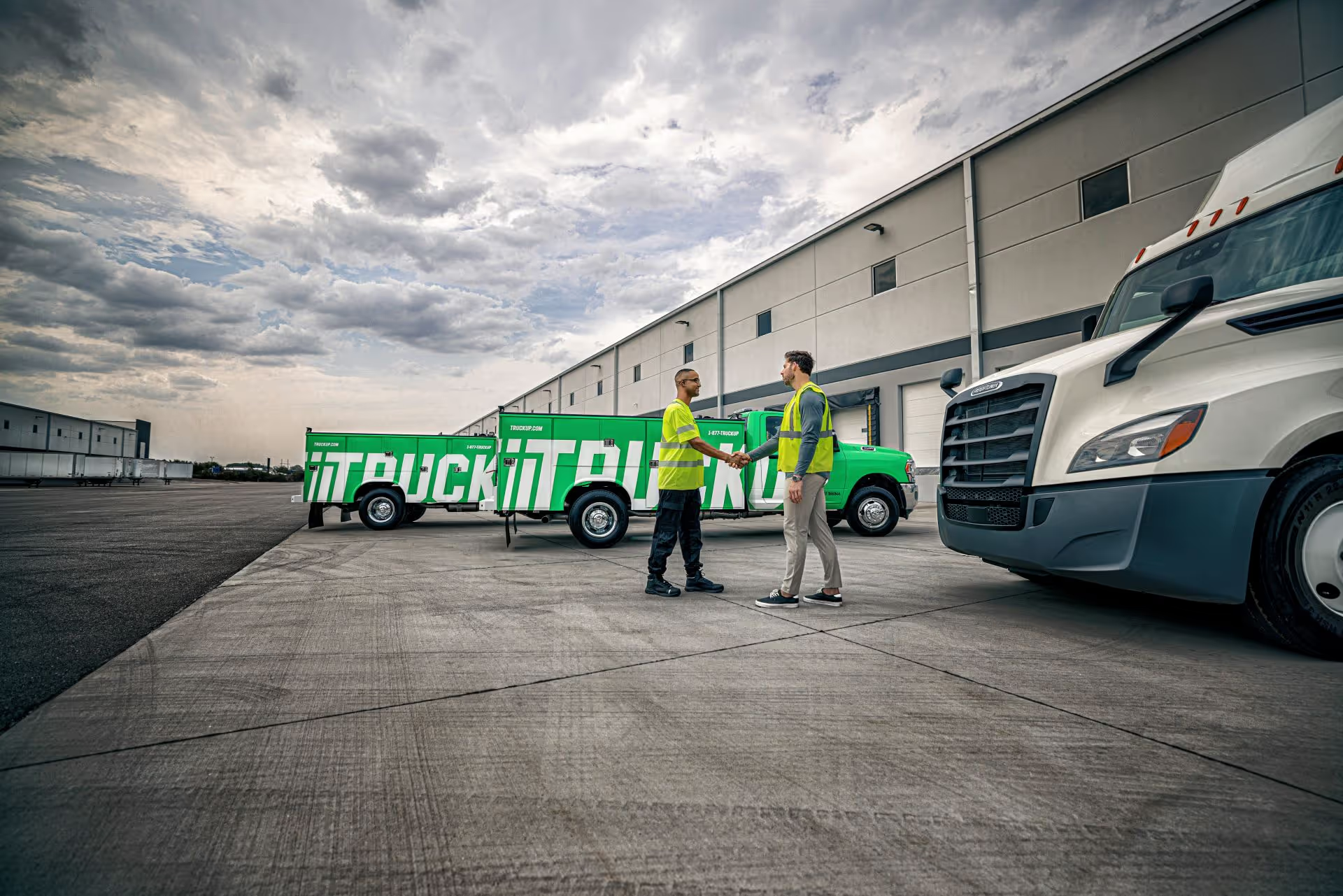
What sets Truckup apart is their specialized mobile vans, fully equipped with the tools and parts needed to perform up to 95% of typical in-shop repairs, all on the roadside, in private parking lots, or even on rural roads. This capability transforms how fleet managers approach hybrid maintenance.
Key benefits of Truckup’s mobile teams:
- Rapid response anywhere: Trucks no longer need to be towed to a shop for most repairs. Mobile teams reach vehicles on-route or at remote locations, minimizing downtime.
- Comprehensive on-site repairs: Thanks to fully equipped vans, mobile mechanics can handle most engine, brake, cooling, and electrical issues without returning to a shop.
- Reduced pressure on traditional shops: Mobile units handle urgent, manageable repairs, allowing shops to focus on complex jobs that truly require a controlled environment.
- Data-driven efficiency: Truckup’s dispatch platform matches each job to the right technician and tools, ensuring high first-time-fix rates.
- Scalable, reliable support: Whether for overflow, seasonal peaks, or unexpected breakdowns, Truckup allows fleets to maintain consistent uptime without expanding in-house staff.
With this level of mobile capability, fleet managers can confidently apply their hybrid repair framework, knowing that most issues can be resolved quickly, safely, and efficiently wherever the truck is.
Key Takeaways
In today’s hybrid fleet maintenance model, the real advantage comes not from having more options but from making the right decision for each repair, every time. Complex, labor-intensive, or safety-critical repairs belong in the shop, while minor, routine, and roadside issues can often be resolved on-site with mobile support.
Platforms like Truckup, with fully equipped mobile vans capable of performing up to 95% of in-shop repairs, turn this flexibility into a strategic advantage. Trucks can be repaired quickly, whether on the roadside, in a private lot, or along rural routes, reducing downtime, minimizing disruptions, and keeping deliveries on schedule.
By combining a clear decision framework, reliable mobile support, and data-driven insights, fleet managers can optimize their hybrid strategy, balance shop and mobile resources, and achieve consistent uptime across their entire fleet.
In short, success in a hybrid fleet isn’t about choosing shop over mobile; it’s about knowing exactly when to use each, and having the right systems in place to make those decisions seamlessly.

.avif)