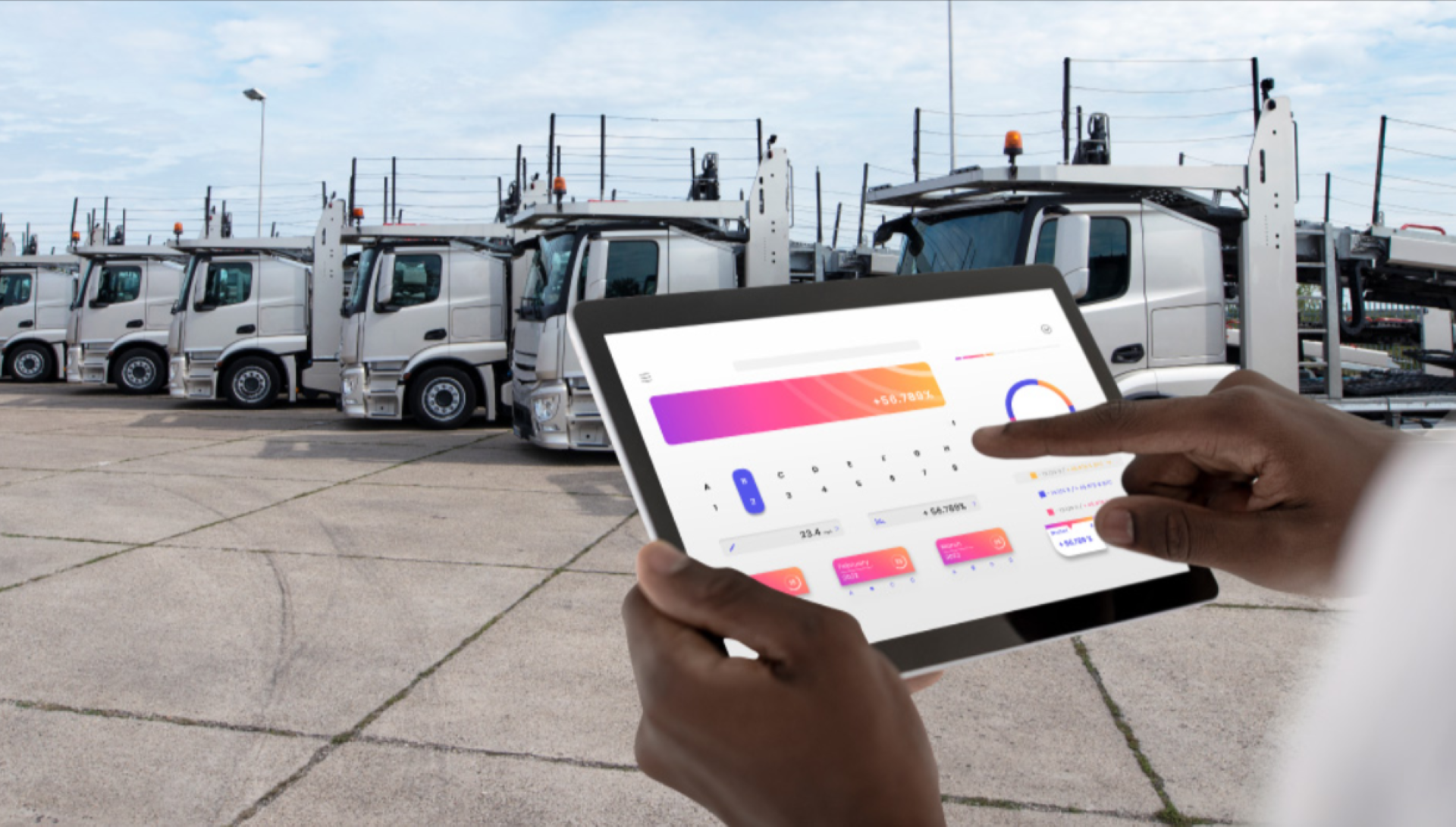
As fleets grow more complex, relying on traditional maintenance methods can lead to higher costs, unexpected downtime, and missed opportunities to improve efficiency. That’s where remote fleet maintenance technologies come in.
From real-time vehicle health monitoring to predictive maintenance powered by IoT sensors and telematics, these tools are helping fleet managers cut costs, extend vehicle lifespans, and boost overall performance. However, adopting them successfully requires more than buying new software; you need a clear strategy for your fleet’s unique needs.
In this guide, we’ll break down how to effectively integrate remote technologies into your maintenance program so you can improve reliability, reduce downtime, and stay ahead in today’s competitive transport industry.
Core Technologies Driving Remote Fleet and Truck Maintenance
Remote technologies combine hardware and software tools that collect, transmit, and analyze vehicle data. Key innovations include:
- Telematics Systems: Installed devices that monitor vehicle location, speed, idle time, and driver behavior.
- IoT Sensors: Small sensors in tires, engines, and fuel tanks that send real-time diagnostics to the cloud.
- Predictive Analytics: Software that processes fleet data to forecast breakdowns and optimize maintenance schedules.
- Cloud-Based Platforms: Centralized dashboards that consolidate fleet and truck data for easy access from any device.
- Mobile Apps: Driver and mechanic-friendly apps that provide instant updates, maintenance alerts, and communication channels for faster decision-making on the go.
The Role of Remote Technologies in Fleet Maintenance
Remote fleet maintenance technologies are transforming fleet management. Instead of waiting for vehicles to break down or relying only on scheduled checkups, managers can now track the health and performance of their fleets in real time. This shift reduces downtime, lowers costs, and improves operational efficiency.
Here’s what remote technologies can do for your fleet:
- Monitor vehicle health in real time: IoT sensors and telematics track engine performance, tire pressure, fuel use, and more, sending instant alerts when something is off.
- Enable predictive maintenance: By analyzing data trends, remote systems can warn you of potential failures before they happen, helping prevent costly roadside breakdowns.
- Improve decision-making with data: Cloud-based platforms give managers insights into recurring issues, repair history, and performance metrics, making it easier to plan and budget.
- Enhance driver safety and efficiency: Remote tracking can identify risky driving behaviors, reduce fuel waste, and promote safer habits on the road.
- Simplify compliance and reporting: Automated logs and maintenance records make inspections, audits, and regulatory compliance faster and less stressful.
Steps to Successfully Implement Remote Technologies to Your Fleet Maintenance Plan
Adopting remote fleet technologies requires a structured approach to ensure smooth integration, measurable results, and long-term benefits. Here’s a step-by-step guide:
1. Assess Your Fleet’s Needs
Before selecting any technology, examine your fleet operations closely. Identify pain points, such as frequent breakdowns, high repair costs, or scheduling inefficiencies. Consider vehicle types, fleet size, and the current level of data visibility. A clear assessment ensures you choose solutions that target real problems rather than shiny new features.
2. Choose the Right Technology Stack
Not all remote technologies are created equal. Depending on your fleet’s size and goals, you may need telematics for real-time monitoring, predictive maintenance platforms to prevent failures, IoT sensors for vehicle diagnostics, or cloud-based dashboards for data analytics. Evaluate solutions based on compatibility with existing systems, ease of use, vendor reliability, and scalability.
3. Start with a Pilot Program
Rolling out a new technology fleet-wide can be risky. Start with a small pilot program to test its effectiveness and identify potential issues. Monitor a subset of vehicles and gather feedback from drivers and technicians. This approach minimizes disruption, allows for adjustments, and builds confidence before full-scale deployment.
4. Train Staff and Drivers
Technology adoption succeeds when your team knows how to use it effectively. Offer hands-on training for technicians and drivers, emphasizing how the system makes their work easier. Clear guidelines, tutorials, and ongoing support help overcome resistance and improve engagement.
5. Monitor ROI and Performance Metrics
Track key performance indicators, including vehicle uptime, repair costs, fuel efficiency, and compliance rates. Use dashboards and analytics tools to measure the technology's impact and make data-driven decisions. Continuous monitoring ensures the technology delivers measurable benefits and supports proactive maintenance strategies.
6. Ensure Data Security and Compliance
Remote fleet technologies collect a lot of sensitive information. Ensure your chosen systems have robust cybersecurity measures, secure data storage, and encryption. Additionally, confirm they comply with industry regulations to keep your fleet audit-ready and protected against potential data breaches.
Factors to Consider When Adopting Remote Fleet Maintenance Technologies
Choosing the right remote fleet maintenance technology is not just about picking what looks advanced; it’s about finding a solution that fits your operations and delivers long-term value. Here’s what to consider before investing:
- Budget and Total Cost of Ownership
Remote technologies often involve more than just the initial purchase. Subscription fees, hardware like IoT sensors, training costs, and ongoing support all add up. Look for solutions that balance affordability with value. The cheapest option might not give you the insights you need, while the most expensive one may include features you’ll never use. - Compatibility with Existing Systems
A common challenge in adopting new technologies is integration with legacy systems. Ensure your chosen platform works seamlessly with your current fleet management software, GPS, or telematics setup. This reduces disruption during rollout and prevents data silos where information gets stuck in separate platforms. - Ease of Use
Even the most advanced tool is useless if your team struggles to use it. Drivers, technicians, and managers all need simple, intuitive, and mobile-friendly interfaces. A straightforward platform enables faster adoption, fewer errors, and higher staff engagement. - Scalability
Your fleet might be small today, but what about in two or five years? Choose technologies that can grow with you. Scalable platforms allow you to add vehicles, users, and new features without starting over with a completely new system. - Vendor Reliability and Support
Not all providers are equal. Look for a vendor with a proven track record in fleet management, responsive customer support, and regular updates to keep the system current. Reliable vendor support is essential during rollout and whenever technical issues occur. - Data Security and Compliance
Remote technologies rely on constant data collection, making cybersecurity a top priority. Ensure the platform offers secure data storage, encryption, and compliance with industry regulations. This protects sensitive fleet information and avoids costly legal or reputational issues. - Return on Investment (ROI)
The system should ultimately pay for itself. Consider how much you’ll save in reduced downtime, fewer emergency repairs, improved fuel efficiency, and better compliance. ROI may not appear immediately, but the right technology should noticeably lower operating costs and improve fleet performance.
Challenges to Watch Out for When Adopting Remote Fleet Maintenance Technologies and Strategies for Overcoming Them
As businesses increasingly turn to remote fleet maintenance technologies, it’s essential to recognize and address the challenges that may arise in this transition. Here are some key challenges to consider, accompanied by strategies to overcome them:
1. Integration with Existing Systems
Adopting remote fleet maintenance technologies often comes with compatibility issues. Many fleets already use GPS tracking, telematics, or scheduling tools, and adding new systems can create data silos or force manual updates.
Your organization should choose solutions that offer API integrations or ensure the new technology integrates seamlessly with the current software. Conducting comprehensive needs assessments before implementation can also help identify potential integration challenges early on.
2. Cybersecurity and Data Privacy Risks
With more connected devices and cloud-based platforms, remote fleet maintenance technologies are increasingly vulnerable to hacking attempts and unauthorized access to sensitive data.
You and your team should prioritize technology providers who prioritize cybersecurity. Features like encryption, two-factor authentication, and regular software updates are non-negotiable. Develop internal protocols for data handling and conduct periodic security audits.
Additionally, you can train your staff on best practices for data security to minimize the risk of exposure to cyberattacks.
3. User Adoption and Training
Implementing new technology often meets resistance from employees accustomed to traditional methods.
Organizations should invest in comprehensive training programs that highlight the new system's benefits and provide hands-on learning experiences to ensure a smooth transition. Engaging champions within teams can also foster enthusiasm and encourage a culture of innovation.
4. Network and Connectivity Limitations
Remote fleet maintenance solutions depend on consistent internet or satellite connectivity. In remote areas or regions with poor coverage, data transmission may be unreliable, leading to operational disruptions.
Your fleet maintenance management can explore hybrid models that combine remote monitoring with offline data storage capabilities, with automatic syncing once connectivity is restored. You and your team should also consider investing in mobile data solutions to enhance connectivity in remote locations.
5. Cost Implications
The initial costs of implementing remote fleet maintenance technologies can be significant, leading some organizations to shy away from adoption. However, it is crucial to view this as an investment rather than an expense.
Conducting a cost-benefit analysis that outlines potential savings from reduced downtime and improved efficiency can help your company justify the initial financial outlay and project long-term gains.
6. Data Overload and Analysis Paralysis
The reliance on sensors and IoT devices means that data accuracy is paramount since these remote technologies generate massive volumes of data from engine diagnostics to driver behavior. Fleet managers may struggle to filter valuable insights from noise without a clear strategy.
Invest in platforms with built-in analytics dashboards and customizable reporting. Train your team to focus on actionable KPIs like fuel efficiency, downtime reduction, and repair costs rather than trying to monitor every metric simultaneously.
By recognizing these challenges and proactively developing strategies to address them, you can successfully implement remote fleet maintenance technologies and harness their full potential, ultimately improving efficiency and reducing operational costs.
How Truckup Will Help You Adopt Remote Truck Maintenance Technologies Effectively
Adopting remote fleet maintenance technologies can feel overwhelming, especially if you’re managing a large or mixed fleet. That’s where Truckup comes in. Truckup is designed to simplify the transition and give you the tools you need to unlock the full potential of remote fleet management.
- Seamless Integration: Truckup connects smoothly with existing fleet management systems, making it easy to roll out without major disruptions.
- Real-Time Monitoring: From vehicle health checks to driver behavior tracking, Truckup provides live updates to help prevent costly breakdowns.
- Predictive Maintenance: By analyzing data from IoT sensors and telematics, Truckup identifies issues before they escalate, saving you money and keeping vehicles on the road longer.
- Mobile Accessibility: With Truckup’s mobile-friendly platform, technicians and managers can access diagnostics, maintenance schedules, and performance reports anytime, anywhere.
- Compliance and Reporting: Truckup automates reporting and ensures your fleet stays aligned with regulatory requirements, reducing paperwork and audit stress.
With Truckup, you don’t just adopt remote technology; you adopt a smarter, more cost-efficient way of managing your fleet.
Conclusion
Adopting remote fleet maintenance technologies is a strategic move for fleets that want to stay efficient, reduce downtime, and cut costs. From real-time vehicle monitoring to predictive maintenance, these tools empower fleet managers to make data-driven decisions and proactively address issues early. To maximize your investment, assess your fleet’s needs, choose the right technology stack, train your team, and continuously monitor performance metrics. Following these steps, you transform your fleet maintenance program from reactive to proactive and performance-driven. Moreover, Truckup offers an all-in-one platform that integrates remote diagnostics, predictive maintenance, real-time monitoring, and compliance support. With Truckup, you don’t just implement technology; you gain a partner in keeping your fleet safe, reliable, and cost-efficient. Start by evaluating your current maintenance program and exploring how Truckup can help you unlock more innovative fleet management and long-term operational success.


.avif)