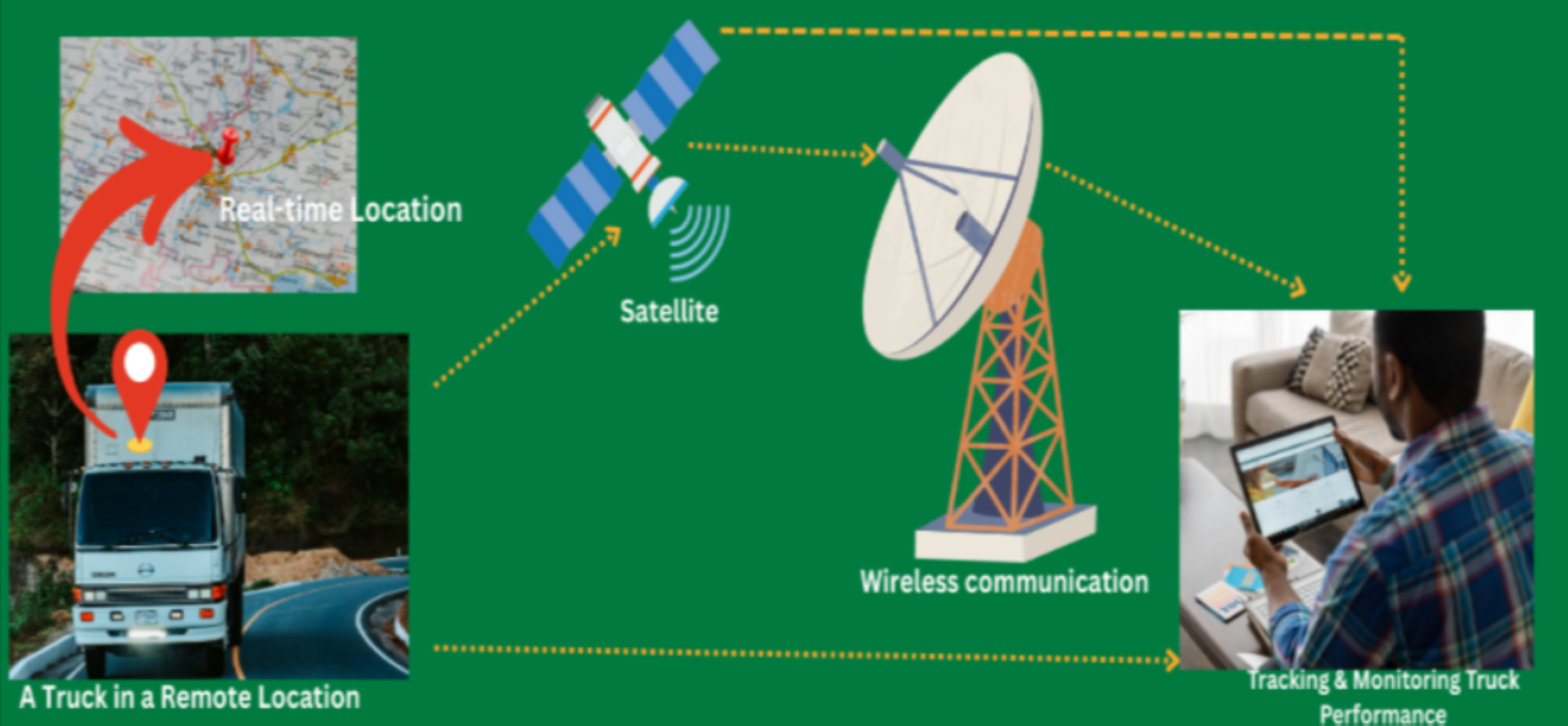
Keeping a fleet in top shape has never been easy. From unexpected breakdowns to costly downtime, maintenance challenges can quickly eat into profits and disrupt operations. But here’s the good news: remote technologies are changing the game for truck repair and fleet upkeep.
Today, fleets no longer have to wait for problems to surface before acting. With tools like telematics, predictive diagnostics, and remote monitoring, you can detect issues earlier, schedule repairs more efficiently, and reduce downtime, all while cutting maintenance costs.
This guide will walk you through everything you need to know about remote technologies in fleet maintenance, including how they work, the benefits they offer, potential challenges to be aware of, and practical steps for their adoption. By the end, you’ll see how going remote can help you run a smarter, safer, and more cost-efficient fleet.
How Fleet Maintenance Is Evolving: Traditional Methods vs. Remote Technologies
For decades, fleet maintenance has relied heavily on traditional methods such as scheduled servicing, manual inspections, and reactive repairs when breakdowns occur. While these approaches keep trucks operational, they often come with higher downtime, unpredictable costs, and limited visibility into vehicle health.
Remote technologies are changing this landscape. Instead of waiting for trucks to display warning signs or relying solely on fixed maintenance schedules, fleet managers can now utilize telematics, IoT sensors, and cloud-based platforms to monitor real-time performance. This shift enables early detection of issues, data-driven decision-making, and faster response times, helping fleets reduce costs and improve uptime.
In short, traditional maintenance is primarily reactive and manual, whereas remote technologies enable fleet care to be proactive and intelligent. The transition isn’t about replacing the old system overnight but combining both strengths to run a more efficient and reliable fleet.
Here is a Quick Comparison;
Traditional vs. Remote Technology-Driven Fleet Maintenance: A Practical Comparison
Maintenance approach: Traditional fleet maintenance is largely reactive and schedule-based. Repairs and servicing usually happen after a problem becomes visible or when a truck reaches a fixed service interval. In contrast, a remote, technology-driven maintenance approach is predictive and proactive, relying on real-time monitoring to spot issues before they escalate.
Inspections: With traditional maintenance, inspections are mostly manual and performed only during scheduled service visits. Remote technology-driven maintenance replaces this limitation with continuous tracking through telematics and IoT sensors, allowing fleets to monitor vehicle health while trucks are on the road.
Data and insights: Conventional maintenance systems often rely on limited records, sometimes still paper-based or fragmented across systems. A remote maintenance model uses cloud-based platforms where data is centralized, easily accessible, and enhanced by analytics that support smarter decision-making.
Downtime: Downtime tends to be higher under traditional maintenance because failures are discovered after a breakdown occurs. With technology-driven maintenance, downtime is significantly reduced since issues are detected early and addressed before they result in roadside failures.
Cost management: Traditional maintenance leads to unpredictable costs due to emergency repairs and unexpected failures. A remote, data-driven approach makes costs more predictable by enabling better planning, fewer emergency fixes, and more controlled maintenance spending.
Response time: In a traditional setup, response times are slower because problems are identified only after symptoms become obvious. Technology-driven maintenance enables faster response, as alerts are triggered instantly when irregularities appear, allowing teams to act immediately.
Benefits of Remote Fleet and Truck Maintenance Technologies
The shift toward remote technologies isn’t just about keeping up with trends; it’s about addressing the real pain points of managing and repairing trucks. Traditional maintenance methods rely on manual inspections, scheduled shop visits, and reactive repairs after a breakdown.
Remote technologies, on the other hand, help fleets and truck owners stay ahead by predicting issues, monitoring vehicle health in real-time, and reducing unnecessary downtime.
Here are the key benefits:
1. Real-Time Monitoring of Truck Health
Remote diagnostic tools can track critical components around the clock, like the engine, brakes, transmission, and tires. This lets fleet managers and truck owners identify issues before they become costly breakdowns.
2. Reduced Downtime and Faster Repairs
When sensors detect a problem, alerts are sent immediately. Mechanics can prepare the necessary tools and parts in advance, resulting in trucks spending less time in the shop and more time on the road.
3. Cost Savings Through Preventive Maintenance
Remote tracking makes it easier to follow preventive schedules based on actual usage instead of fixed timeframes. This reduces unnecessary servicing while preventing expensive emergency repairs.
4. Improved Safety and Compliance
Well-maintained trucks are safer on the road. Remote technologies also help ensure compliance with government regulations and inspection requirements by keeping accurate digital maintenance records.
5. Better Resource Allocation
Fleet managers can track which trucks require attention, assign repair priorities, and even reroute workloads in real-time. This means less guesswork and more innovative use of maintenance budgets.
6. Increased Vehicle Lifespan
By catching minor issues early, remote tools protect engines, tires, and other costly components from premature wear and tear, extending the life of every truck in the fleet.
Key Remote Technologies Transforming Fleet Maintenance
1. Telematics Systems
Telematics is the backbone of modern fleet management. They combine GPS tracking with onboard remote diagnostics to deliver real-time insights into a truck’s performance and driver behavior.
Instead of waiting for trucks to show visible issues, these systems can alert managers when vehicles show early signs of trouble, such as engine overheating or excessive idling. This speeds up troubleshooting and ensures the truck only visits the shop when necessary, or you request a mobile repair mechanic.
By monitoring everything from fuel efficiency to speed, telematics provides actionable data for more innovative maintenance scheduling.
Here are some of the benefits of using telematics to monitor your trucks:
- Reduced breakdowns
- Improved fuel economy
- Data-backed decision-making.
2. IoT Sensors and Smart Vehicle Monitoring
The Internet of Things (IoT) has brought a new level of precision to fleet upkeep. Sensors attached to key components, such as brakes, tires, engines, and transmissions, monitor performance and detect any issues.
These sensors continuously collect and transmit performance data to a central dashboard. Once they detect a problem, they send signals early to alert the driver, fleet manager, and even the truck maintenance company, allowing them to fix the issue on time before it escalates.
For instance, a tire pressure monitoring system can alert managers if pressure drops below safe levels, preventing blowouts and improving fuel efficiency. IoT devices also generate continuous data streams, which your team can use to predict and prevent costly failures.
Benefit for fleets:
- Early detection of wear and tear
- Minimize costly roadside repairs
3. Mobile Fleet Maintenance Apps
Mobile apps connecting truck operators with mobile mechanics facilitate seamless communication between drivers, managers, and technicians. Drivers can log issues on the spot, upload photos of vehicle problems, and schedule service with the mobile truck repair mechanics directly through the app.
Fleet managers benefit from having all service history in one place, ensuring no maintenance tasks slip through the cracks.
Your team can also configure the apps to send automated reminders, so preventive maintenance tasks are never overlooked.
Benefit for fleets:
- Better communication
- Faster reporting
- Improved accountability
4. Predictive Maintenance with AI & Analytics
Predictive maintenance utilizes data analytics and machine learning to forecast when a part is likely to fail, often weeks in advance. AI models analyze trends from sensor data and historical breakdowns to recommend proactive service before issues escalate.
As a fleet manager, you can utilize predictive analysis and AI tools to service your vehicles before issues arise, thereby avoiding unnecessary maintenance and unexpected breakdowns.
Benefit for fleets:
- Lower repair costs
- Extended equipment lifespan
- Optimized maintenance schedules
5. Cloud-Based Maintenance Platforms
Cloud-based platforms are a better match for paper records and spreadsheets. These solutions centralize fleet maintenance data, making it accessible from anywhere. They also simplify compliance reporting, warranty tracking, and cost analysis.
Cloud systems integrate with telematics and IoT devices, providing a comprehensive view of fleet health in a single dashboard. This enhances decision-making and improves collaboration among teams, service providers, and management.
Benefits of cloud-based fleet technologies:
- Streamlines operations
- Improves transparency across the entire fleet
Emerging Trends in Fleet Maintenance Remote Technologies
1. Digital Twins for Fleet Optimization
Digital twin technology creates a virtual replica of a truck or a specific component. Fleet managers can utilize these digital models to simulate performance under various scenarios, such as extreme weather conditions or heavy loads, without risking the actual vehicle.
This technology helps identify weak points and optimize maintenance strategies before real-world issues occur.
2. Remote Diagnostic Tools
Advanced diagnostic devices plug into a truck’s onboard diagnostics (OBD-II) port and transmit live fault codes to fleet managers or service providers.
They enable technicians to remotely assess your vehicle’s health and recommend solutions before the truck reaches a workshop, significantly reducing troubleshooting time.
3. Drones for Fleet Inspection
Drones are being adopted for quick visual inspections of large trucks and trailers. They are particularly valuable after severe weather or accidents, allowing managers to capture aerial photos and videos of damage in minutes.
This reduces inspection time and enhances safety, particularly in hard-to-reach areas such as trailer roofs.
4. Blockchain for Maintenance Records
Blockchain systems create tamper-proof, transparent records of service histories, parts replacements, and inspections. With Blockchain, all stakeholders, from fleet owners to insurers, can verify records, thus reducing fraud, ensuring accountability, and simplifying compliance audits.
5. Augmented Reality (AR) for Repairs
AR tools allow technicians to use tablets or smart glasses to overlay repair instructions onto real-world components. This speeds up servicing, minimizes human error, and enables less experienced mechanics to complete complex repairs correctly.
Some fleets also utilize AR and virtual reality (VR) platforms to offer remote training to staff across multiple locations.
How Truckup Supports Remote Fleet Maintenance Success
Adopting remote technologies is only effective if you have the right platform to bring everything together. That’s where Truckup steps in. Designed with fleet managers and operators in mind, Truckup makes it easier to adopt, monitor, and scale remote fleet maintenance technologies without the usual headaches.
- Centralized Fleet Monitoring: Truckup integrates seamlessly with your existing telematics, diagnostic tools, and GPS systems, providing a single, comprehensive dashboard view of your fleet’s health. Instead of juggling multiple apps, managers can see performance metrics, maintenance schedules, and alerts in one place.
- Automated Maintenance Scheduling: Truckup utilizes predictive analytics to schedule service proactively, preventing issues from escalating automatically. This reduces downtime and extends vehicle lifespan, saving fleets money in the long run.
- Real-Time Communication and Alerts: With Truckup, mechanics, drivers, and managers stay in sync. Instant alerts and maintenance notifications allow quick decision-making and faster fixes, even when trucks are on the road.
- Seamless Integration: One of the biggest challenges fleets face is compatibility with existing systems. Truckup is designed to integrate seamlessly, minimizing the risk of data silos and enabling companies to adopt remote technologies with confidence.
- Cost and Efficiency Gains: Ultimately, Truckup helps fleets lower repair costs, reduce breakdowns, and improve operational efficiency. Making proactive maintenance easier ensures fleets can focus more on business and less on unexpected repairs.
Conclusion
Fleet maintenance doesn’t have to be reactive or expensive. By adopting remote technologies such as telematics, IoT sensors, predictive analytics, and mobile apps, fleet managers can transform how they handle upkeep, moving from emergency fixes to planned, data-driven servicing. These tools reduce downtime and repair costs, extend vehicle lifespan, and enhance overall safety. The key is to start with the right solutions for your fleet size and needs, roll them out strategically, and train your team to get the most value. In an industry where every hour of uptime counts, leveraging remote technologies is no longer optional; it’s the competitive edge your fleet needs to stay ahead.
.jpg)

.avif)