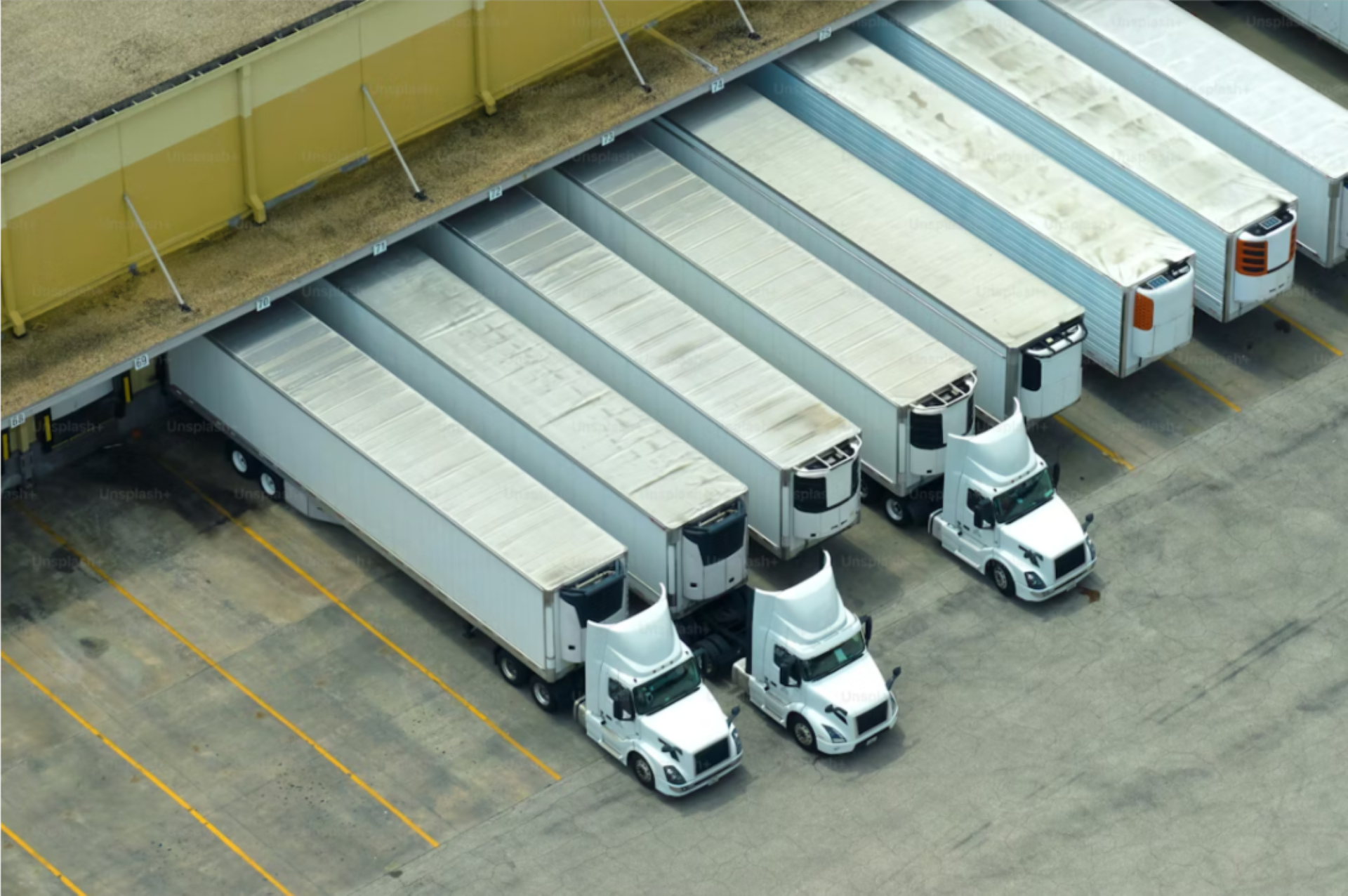
A truck breakdown is more than just an inconvenience; it creates a chain of reactions. Deliveries are delayed, drivers sit idle, dispatchers scramble for alternatives, and fleet managers watch profits slip away with every passing hour.
Traditional maintenance models were designed to react to issues after they occur, rather than predicting when they are likely to happen and addressing them proactively. That’s precisely why many operations still lose time and money due to preventable failures.
However, the fleets leading the way today are playing a different game. They’re using IoT (Internet of Things) sensors to detect potential issues long before they turn into costly breakdowns. From engine performance and brake wear to tire pressure and battery health. These connected systems constantly stream real-time data, enabling technicians to make faster, smarter repair decisions before the truck comes to a stop.
For mobile repair providers, this shift is revolutionary. IoT data doesn’t just point to a problem but tells you when, where, and how to fix it. That means service teams can arrive with the right parts, tools, and a precise diagnosis, which helps cut downtime, labor hours, and uncertainty in half.
In this article, we’ll explore how IoT is reshaping the mobile repair industry by turning reactive fixes into predictive, data-driven maintenance strategies that keep fleets adaptable, profitable, and consistently road-ready.
What are the Hidden Costs of Breakdowns in Fleet Operations?
When a truck experiences a breakdown, the costs involved go beyond just the repair bill. Each minute of downtime imposes a significant impact on operations, revenue, and team efficiency. While it’s estimated that one hour of truck downtime can cost between $400 and $800, the effects reach much further than this number suggests.
Let’s unpack where these hidden costs really show up and how taking a proactive approach can prevent them from draining your bottom line:
- Lost Productivity: Every breakdown brings your delivery schedule to a grinding halt. Drivers sit idle, dispatchers reshuffle assignments, and other trucks are forced to cover the gap. Before long, your entire route plan starts falling apart. With an effective preventive maintenance approach, you will keep your wheels turning, ensuring your fleet stays productive instead of reactive.
- Rising Operational Expenses: Emergency tows, overnight shipping for parts, and unscheduled overtime can quickly blow your maintenance budget. The more unplanned events you face, the less predictable your costs become. When you adopt proactive servicing, you can plan repairs strategically, buy parts in advance, and keep your financial forecasts on track.
- Declining Customer Satisfaction: Late or missed deliveries don’t just cause temporary frustration; they also erode trust. A single breakdown can damage long-term relationships, trigger contract penalties, and prompt loyal customers to look elsewhere. Adopting a consistent maintenance routine will help your heavy-duty trucks remain in good working condition and consistently deliver on time, protecting the reputation you’ve built mile by mile.
- Inefficient Repairs and Wasted Technician Time: When trucks fail without warning, technicians spend hours diagnosing the root cause before they can even begin fixing the problem. That’s valuable time lost. With diagnostic data and IoT alerts, repair teams can arrive knowing exactly what the issue is behind your semi-trailer’s stalling, cutting down repair time and getting the truck back on the road faster.
- Disrupted Maintenance Schedules: One breakdown can throw your entire service calendar off balance. When technicians are forced to prioritize emergency repairs, routine inspections are delayed, which can lead to further mechanical issues later. Predictive maintenance tools will help you, as a fleet manager, truck owner, or semi-trailer operator, stay on schedule with planned intervals rather than letting emergencies dictate your operations.
- Team Fatigue and Stress: Constantly dealing with breakdowns wears down more than just engines; it burns out the entire team, from mobile repair mechanics, fleet managers, and truck drivers. Your drivers will lose hours waiting for roadside help, as dispatchers spend their day troubleshooting instead of optimizing. By minimizing surprises through data-backed planning, your team can focus on performance and productivity rather than managing panic.
When fleets understand the true cost of breakdowns, it becomes clear that preventive maintenance isn’t just about saving money on repairs but building an operation that runs predictably, keeping customers happy, and empowering teams to perform at their best.
This is where IoT-powered mobile repair systems can play a transformative role. These systems not only respond rapidly but also help anticipate issues before they become critical, providing real-time insights into vehicle health, location, and performance. Embracing these technologies will position your fleets for improved operational success and sustainability.
From Data to Decisions: How Can IoT Help Fleets Stay Ahead of Breakdowns?
For years, truck maintenance was purely reactive, where fleets waited for problems to happen, then scrambled to fix them. That “firefighting” model might have worked decades ago, but in today’s data-driven world, it’s a costly habit. IoT technology has completely changed the game, giving fleets the power to predict issues before they become expensive breakdowns.
IoT sensors now act as the digital nervous system of a modern fleet. They monitor everything from engine temperature and brake wear to tire pressure and fuel efficiency, all in real time. These sensors don’t just collect numbers; they tell a story about how each vehicle is performing and what might go wrong next.
Here’s an example of how IoT sensors can detect problems early and prevent costly breakdowns:
- A slight drop in oil pressure could signal early engine wear and trigger a maintenance alert before the issue escalates.
- A steady decline in tire pressure might reveal a slow leak long before it leads to a roadside blowout.
- Real-time brake pad data can prompt service before the brakes become a safety risk or compliance issue.
Every data point gives your team the chance to act early, turning what used to be a breakdown into a quick, planned service stop. This continuous feedback loop keeps managers and mobile repair teams aligned with the truck’s actual condition, rather than a set maintenance schedule.
Here’s how IoT helps fleets transition from reactive repairs to predictive, data-backed decisions that keep trucks on the road and costs under control:
1. Detects Faults Before They Become Failures
Every fleet manager knows how a minor issue, such as a loose belt, a slow tire leak, or a drop in oil pressure, can spiral into a full-blown breakdown. IoT sensors function like digital watchdogs, continuously monitoring vital systems, including oil pressure, brake wear, tire pressure, coolant temperature, and battery voltage.
The moment a reading slips outside its normal range, the system sends an instant alert. This early warning gives technicians time to schedule a fix during the next stop or maintenance window, before your truck is damaged further and becomes an on-road emergency.
In essence, IoT flips the script on maintenance: instead of waiting for something to fail, you’re fixing it before it has the chance to.
2. Guides Smarter and Faster Dispatch Decisions
Breakdowns are unpredictable, but your response doesn’t have to be. With IoT-powered alerts, fleet managers get real-time visibility into what’s happening under the hood: which truck is in trouble, what part failed, and exactly where it’s located.
That clarity means mobile repair partners like Truckup can dispatch the right technician with the right tools and replacement parts, thereby eliminating guesswork and wasted trips.
Instead of reacting blindly, your team responds with precision. The result? Faster fixes, reduced downtime, and a smoother repair process that keeps deliveries on schedule and budgets under control.
3. Enables Predictive Maintenance Planning
Every data point from an IoT sensor adds a clue to the bigger picture of your fleet’s health. Over time, this information reveals valuable patterns, like which engines are wearing out faster, which routes are most challenging on tires, or which drivers push performance limits.
Armed with these insights, maintenance teams can schedule service based on real vehicle conditions instead of sticking to generic timelines. That shift from routine maintenance to predictive upkeep means fewer surprises, longer truck lifespans, and smarter use of resources.
In short, IoT turns guesswork into foresight, helping fleets stay ahead of problems instead of chasing them.
4. Reduces Diagnostic and Labor Time
Traditional repair calls often begin with a bit of detective work, hours spent figuring out what went wrong before making the necessary repairs. IoT data changes that.
When sensor readings flag specific issues like irregular transmission performance or abnormal fuel pressure, technicians know exactly where to begin. That precision means faster troubleshooting, fewer unnecessary checks, and repairs that get trucks back on the road sooner.
For fleets, this translates to reduced labor costs, minimal downtime, and a smoother, more predictable repair process.
5. Improves Driver Safety and Compliance
Some challenges not only impact the financial aspect but also pose safety risks for drivers. By utilizing IoT sensors, you can effectively monitor real-time safety factors such as tire pressure, brake performance, and engine temperature, allowing for early detection of potential issues.
When a critical fault is detected while the vehicle is in operation, the system promptly notifies both the driver and the fleet manager. This enables the driver to safely pull over before the situation worsens, while repair teams receive the necessary tools and full diagnostic information to assist effectively.
This proactive approach not only minimizes on-road accidents but also enhances compliance scores and instills greater confidence in drivers as they navigate their routes.
6. Cuts Repair and Fuel Costs
Some minor and unnoticed inefficiencies can quietly drain your bottom line long before they trigger a breakdown. With IoT sensors, you can detect issues like misfiring cylinders, fuel leaks, or wheel misalignment early on, giving your team time to act before they escalate into costly repairs or wasted fuel.
By continuously tracking these performance metrics, fleet managers can plan targeted tune-ups and part replacements that optimize fuel economy and extend equipment life. Over time, this data-driven efficiency keeps maintenance budgets predictable and trucks running at their most economical performance.
7. Builds a Continuous Learning System
Here’s where IoT truly shines. With every trip, it collects more data, and with that data comes insight. Over time, the system begins to identify recurring patterns: trucks on specific routes may exhibit faster brake wear, or temperature spikes during particular weather conditions may increase the risk of overheating.
These insights empower fleet managers to refine maintenance schedules, educate drivers on optimized operating practices, and make informed adjustments to route planning in order to minimize wear and tear. Each maintenance action and data point enriches the system's intelligence, transforming your fleet into a smarter, continually evolving operation.
Ultimately, IoT not only helps prevent breakdowns but also enables fleets to identify and address potential issues proactively before they occur. This technology provides managers with enhanced visibility, offers technicians greater clarity, and equips mobile repair teams with the precise information needed to address problems before they escalate. This strategic approach enables progressive fleets to maintain road readiness in an industry where uptime, safety, and reliability are essential for success.
How Mobile Truck Repair + IoT Is the Future of Fleet Maintenance
Fleet operations are evolving rapidly, and in today’s connected, data-driven logistics landscape, reactive maintenance can no longer keep pace. Every idle truck means lost time, missed deliveries, and unnecessary strain across the entire operation. The fundamental shift is happening where IoT technology meets mobile truck repair, creating a smarter, faster, and more predictive approach to fleet maintenance.
Here’s how this new model is redefining how modern fleets stay operational and efficient:
- Faster, Targeted Response: IoT sensors instantly detect issues from low oil pressure to faulty brake performance, and send real-time alerts before failure occurs. When a mobile repair provider like Truckup receives this data, its technicians will respond immediately, equipped with the right tools and parts for the job. This precision cuts downtime dramatically and gets trucks back on the road faster.
- Fewer Emergency Breakdowns: With predictive alerts, fleets can transition from firefighting to foresight. Instead of reacting to roadside emergencies, they can address potential failures during planned stops. Mobile repair services become proactive partners, helping fleets eliminate surprise breakdowns and maintain their schedules.
- Smarter Maintenance Scheduling: IoT turns maintenance from a calendar task into a data-driven strategy. By analyzing usage patterns, driver behavior, and component wear, mobile teams can plan service visits that align with actual performance. This will result in fewer disruptions, lower costs, and more predictable upkeep cycles.
- Higher Return on Fleet Assets: When repairs are handled efficiently and failures are prevented, fleets don’t just save on maintenance, but they also extend asset life and improve operational ROI. Each connected insight translates into smarter budgeting, optimized utilization, and stronger bottom-line performance.
- Real-Time Collaboration: IoT creates a shared ecosystem of visibility that enables fleet managers, dispatchers, and technicians to access the same live data, allowing for coordinated, real-time decision-making. This transparency eliminates guesswork and ensures every truck gets the right service at the right time.
- Safer Drivers, Happier Customers: Reliable equipment leads to safer roads and more satisfied clients. With fewer breakdowns and consistent on-time deliveries, drivers gain confidence, and customers gain trust, which are the two key ingredients for long-term success in logistics.
In essence, IoT delivers the intelligence, and mobile repair delivers the execution. Together, they’re building a maintenance ecosystem that’s predictive, agile, and built for the modern road.
And this is exactly where Truckup stands out, integrating connected diagnostics with rapid, on-site repair services to help fleets stay efficient, compliant, and always road-ready.
The Road Ahead: How to Build a Connected, Predictive Fleet Strategy
The trucking industry is at a turning point, and what used to be a game of speed and reaction has become one of strategy, foresight, and technology. Fleets that once relied solely on routine maintenance schedules are now integrating IoT systems, telematics, and predictive analytics into their operations to stay ahead of failures before they occur.
But technology alone doesn’t build resilience; execution does. To turn sensor data into real-world uptime, you need a repair partner who understands connected diagnostics and can act on them fast and accurately. That’s where Truckup stands apart.
With Truckup, your fleet gains more than just mobile repair support; it gains a strategic maintenance ally. Our team translates IoT data into actionable repairs, ensures that technicians are dispatched before minor faults escalate, and integrates service records directly into your fleet’s monitoring systems. Every fix becomes part of a bigger cycle of learning, optimization, and cost reduction.
This connected approach means:
- You will experience fewer breakdowns because faults are caught early, allowing teams to fix issues before they escalate..
- Moreover, you will enjoy faster turnaround, since technicians arrive fully informed, equipped, and ready to repair on the first visit.
- Clear data that shows repair frequency, part performance, and uptime metrics can make costs easier to predict and control, helping you create a more accurate budget.
- Higher reliability and consistent performance will help you maintain your delivery schedules, improve client trust, and enhance your fleet's reputation.
Key point: The fleets leading tomorrow’s logistics industry are those that view maintenance as a strategic function, not a reactive expense. They use data to stay ahead, partnerships to stay resilient, and mobile repair expertise to stay on the road.
The road ahead is connected, data-driven, and proactive, and Truckup is here to make sure your fleet leads the way, not lags behind.
.avif)