If you’re running a trucking business, you already know this: your trucks are only as reliable as the maintenance you put into them. That’s why, whether you’re a fleet manager, truck owner, or heavy-duty driver, maintenance should be part of your daily routine—not something you do once in a while.
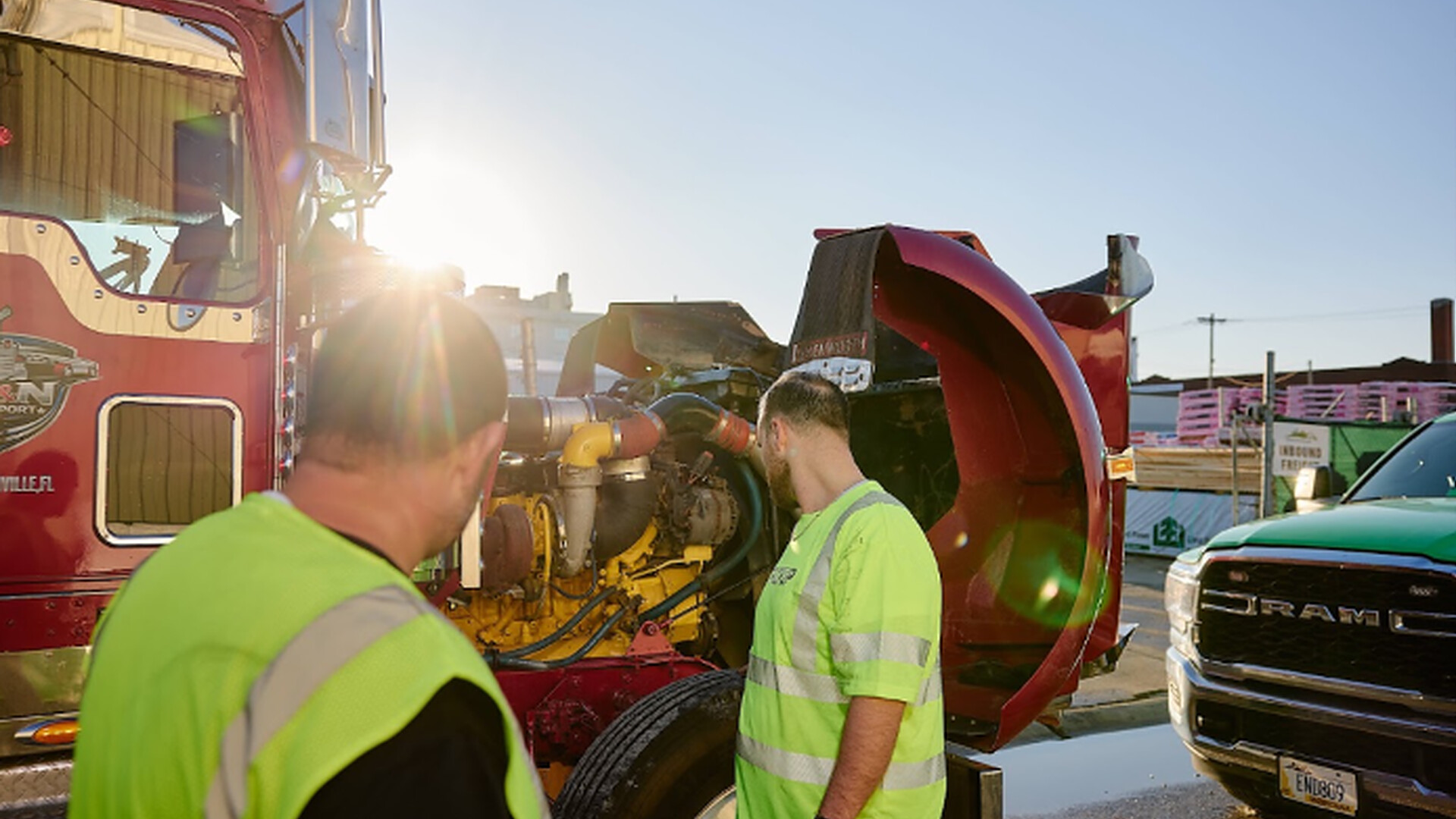
Before every trip, take a few minutes to inspect your semi-truck or trailer. It may seem like a simple step, but it can save you from costly breakdowns, delivery delays, and even dangerous roadside situations. Proper maintenance also improves fuel efficiency and helps extend the lifespan of your vehicles.
Small issues that go unnoticed often turn into major mechanical failures, leading to expensive repairs, emergency towing, lost revenue, and unnecessary downtime. That’s why having a clear and consistent maintenance routine is essential for any driver or fleet operator.
In this guide, I’ll walk you through the common problems to watch out for and how to fix them early to prevent costly downtime.
Let’s get into it.
Why You Need a Semi-Truck Maintenance Checklist
Does your truck require significant maintenance to operate correctly? The answer is yes. Having a maintenance checklist for your heavy truck is essential. This helps you keep track of critical parts, spot any problems, and fix them.
The government has rules for truckers. These rules require them to check, fix, and care for their trucks. The purpose is to ensure that the trucks are safe to use.
According to the Code of Federal Regulation part 363.1, “Every motor carrier and intermodal equipment provider must systematically inspect, repair, and maintain, or cause to be systematically inspected, repaired, and maintained, all motor vehicles and intermodal equipment subject to its control.”
Here are the benefits of maintaining your big rig.
- Timely maintenance is necessary to keep your truck's important parts running correctly and in optimum condition. Always perform regular checks and solve any engine and brake problems, among other issues, before your truck leaves for a trip.
- Well-maintained trucks will always remain productive and help your fleet earn the trust of customers and employees. They will consistently deliver the goods on time without in-between trip breakdowns.
- Doing maintenance early is preferable to waiting for a significant issue that requires expensive repairs. Identifying and addressing the problem early before it worsens will help increase your profit margin and reduce unnecessary losses.
- Regular maintenance can make trucks last longer, keeping them running longer.
- Keeping semi-trucks well-maintained can prevent accidents, protect employees and the public, and save the company from liabilities.
What to Include and Inspect in Your Semi-truck Maintenance Checklist
1. The Engine System
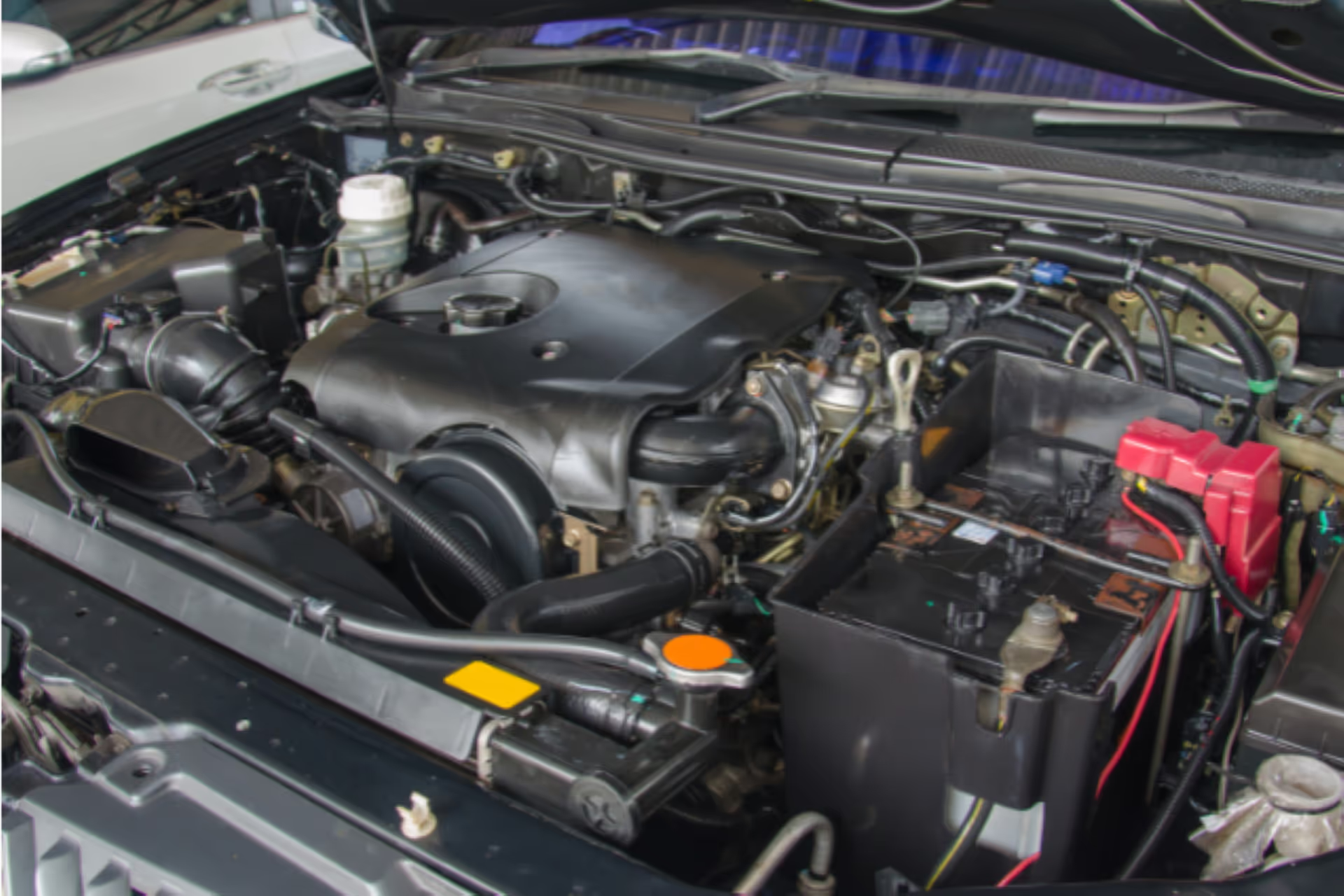
The engine is an integral part of a vehicle. Just like a human heart, if it fails to function as required, your semi-truck is dead without it.
Therefore, you need to take care of the engine for smooth operation. Failure to do so will cause your vehicle to experience many issues that may cost you thousands of dollars.
Here is a list of the parts of an engine system to inspect and provide feedback on their state.
- Coolants
- Hoses
- Belts
- Radiators
- Engine oil
- Oil filters
- Driveshafts
- CV Joints
- Exhaust system
- Transmission mount
Indicators of a Defective Diesel Engine in Your 18-Wheeler
A diesel engine is the heart of your semi-truck, and when it begins to fail, the warning signs often become noticeable during operation. Identifying the symptoms of a failing diesel engine early can help prevent severe damage, costly repairs, and unexpected breakdowns on the road.
- Engine Overheating: Overheating is a serious warning sign that may result from low coolant levels, poor lubrication, clogged hoses, a damaged radiator, or faulty engine components. If not addressed quickly, overheating can cause permanent engine damage or complete failure.
- Engine Fails to Start: If the engine does not start when you turn the key, the issue may be related to a weak or dead battery, faulty starter motor, fuel system problems, or electrical faults. A proper diagnosis is necessary to determine the exact cause.
- Black Smoke and Unusual Odors: Excessive black smoke from the exhaust, especially when combined with unusual or strong odors, may indicate incomplete fuel combustion, injector problems, air intake issues, or internal engine damage. This should be inspected immediately.
- Engine Fails to Shut Down: If the engine continues running after the ignition is turned off, it may signal a malfunction in the fuel shutoff solenoid, ignition system, or related engine control components. This issue should be addressed urgently to avoid further complications.
- Loss of Power During Operation: A sudden drop in engine power while driving may indicate fuel delivery problems, turbocharger failure, clogged filters, or internal engine wear. In some cases, the engine may stall completely, posing a serious safety risk.
- Excessive Fuel Consumption: If your truck begins consuming more diesel than usual for the same distance, it may be a sign of engine inefficiency caused by worn injectors, poor combustion, air filter blockage, or sensor issues.
- Unusual Engine Noises (Knocking, Popping, or Hissing): Abnormal sounds such as knocking, backfiring, popping, or hissing often indicate internal engine problems, including fuel system faults, air leaks, or worn engine components. These sounds should never be ignored.
- Oil Leaks or Stains Under the Truck: Oil spots beneath your semi-truck often point to leaks in gaskets, seals, or engine components. Low oil levels can reduce lubrication and lead to severe engine damage if not corrected in time.
- Check Engine Light Activation: When the check engine light appears on the dashboard, it signals that the engine’s onboard diagnostics system has detected a fault. This could range from minor sensor issues to serious mechanical or electrical problems requiring immediate attention.
Engine issues should always be diagnosed and repaired by a qualified technician. Ignoring early warning signs can lead to catastrophic engine failure, increased repair costs, and unsafe driving conditions.
2. Braking Systems
A braking system is an integral part of a truck that helps the driver brake and stop where necessary. Suppose the hydraulic or air brake is not functioning correctly.
In that case, your vehicle may put the lives of your driver, other drivers, pedestrians, and passengers at risk, as it will likely cause an accident or run into different properties.
Before starting your trip, ensure all your truck brakes are working correctly. This includes service brakes, emergency brakes, and parking brakes. This applies to all types of trucks, whether light, medium, or heavy-duty.
5 Types of Service Brakes in Semi-Trailers
This list includes all the service brakes available for semi-trucks to operate effectively.
- Hydraulic brakes
- Drum brakes
- Disc brakes
- Combination brakes
- Air-over-hydraulic brakes
Components of a Braking System in Heavy-Duty Trucks
Here is a list of braking system components to inspect and determine if they work correctly. They include;
- Brake pedals
- Brake pads/shoes
- Brake drums
- Brake chambers
Indicators of a Faulty Braking System
The braking system is one of the most critical safety components in a semi-truck. When it begins to fail, the warning signs of a failing brake system are often noticeable and should never be ignored. Early detection and timely repairs can prevent accidents and costly damage.
- Soft or Spongy Brake Pedal Feel: If the brake pedal feels soft, spongy, or sinks too easily when pressed, it may indicate air in the brake lines, a failing master cylinder, fluid leaks, or worn caliper components. Overheated brakes can also cause brake fluid to boil, introducing air into the system and reducing braking efficiency.
- Grinding, Squeaking, or Screeching Noises: Unusual noises when applying the brakes often point to worn brake pads or damaged rotors. As brake pads wear down, metal-to-metal contact can occur, producing grinding sounds that signal the need for immediate replacement.
- Brake Warning Light on the Dashboard: A red brake warning light on your dashboard indicates a potential issue within the braking system. This may relate to low brake fluid levels, hydraulic pressure problems, or ABS system faults. Any brake warning light should be treated as urgent and inspected immediately.
- Vehicle Pulling to One Side When Braking: If the truck pulls to one side during braking, it may be due to uneven brake pad wear, a stuck caliper, or imbalanced braking pressure between wheels. This condition reduces stability and increases stopping distance.
- Brake Pedal Vibrations or Pulsations: Vibration or pulsing felt through the brake pedal often indicates warped brake rotors or uneven brake pad wear. This can reduce braking smoothness and compromise stopping performance, especially under heavy loads.
- Delayed or Reduced Stopping Power: If your truck takes longer than usual to come to a complete stop, the braking system may be failing. Causes may include worn brake components, air in the system, fluid issues, or hydraulic pressure loss. This is a serious safety risk that requires immediate attention.
Brake system issues should be addressed immediately by a qualified mobile truck repair technician near you. Ignoring early warning signs can significantly increase the risk of accidents, especially in heavy-duty or high-load driving conditions.
3. Tire Systems
Tire systems on your semi-truck help you cover long distances while transporting cargo. If your tire has an issue, it delays movement.
Check your tires before and after a trip to spot problems like misalignment and wear, and fix them as needed. This will ensure that your truck sails smoothly on upcoming trips.
What Are the Signs of Bad Tire Alignment?
Proper wheel alignment is essential for safe handling, fuel efficiency, and even tire wear. When alignment is off, your semi-truck may show clear warning signs that should be addressed quickly to avoid further damage and costly repairs.
- Uneven or Irregular Tire Wear: One of the most common signs of bad alignment is uneven tire wear. You may notice feathering, cupping, scalloping, or excessive wear on the inner or outer edges of the tires. These patterns indicate that the tires are not making proper contact with the road surface.
- Steering Wheel Vibration: If you feel vibrations through the steering wheel or across the entire vehicle, especially at higher speeds, it may point to misaligned wheels. However, vibrations can also result from tire imbalance or suspension issues, so a full inspection is recommended to identify the exact cause.
- Uneven Wear on Drive or Trailer Axles: Strange or inconsistent wear patterns on trailer or drive axle tires often signal alignment issues. When wheels are not properly aligned, some tires carry more load than others, leading to premature and uneven wear.
- Increased Fuel Consumption: Poor alignment increases rolling resistance, forcing the engine to work harder to move the truck forward. This results in higher fuel consumption and reduced overall efficiency, especially on long-haul routes.
- Off-Center Steering Wheel: When driving on a straight road, the steering wheel should remain centered. If it sits off-center or requires constant adjustment to keep the truck straight, it may indicate misaligned wheels.
- Vehicle Pulling to One Side: A truck that consistently drifts or pulls to the left or right on a straight road is a strong indicator of alignment problems. This can make driving more tiring and less safe over long distances.
- Squealing or Unusual Tire Noise: A squealing sound during turns, acceleration, or normal driving may be caused by misaligned wheels. This occurs when tires scrub against the road surface instead of rolling smoothly.
Ignoring alignment issues can lead to rapid tire wear, reduced fuel efficiency, and unsafe driving conditions. Regular alignment checks help extend tire life, improve fuel economy, and ensure stable vehicle handling.
4. Suspensions
Heavy-duty truck suspensions are crucial for smooth operation. They help contain road shocks and ensure the truck is stable on uneven roads and bumps. The trailer suspension is also essential to keep the rig’s axles in place.
There are four types of suspensions:
- Leaf spring. They are common in big-rig trucks and are attached to frames and movable parts, making them lengthy and variable.
- Torsion bar. This suspension is used in some heavy-duty trucks where it is attached to the wishbone and twisted around the axle to provide suspension.
- Coil spring suspension. This type of suspension is common on trucks. It is easy to handle and will help you have a smooth ride. The coil suspension is similar to the leaf spring suspension, but instead of leaves, it uses metals.
- Air suspensions. These use airbags to support the cargo and can be adjusted to different road conditions. This type of suspension is found in luxury trucks and trailers.
Components of Truck Suspensions
Here are some essential suspension parts to check and determine if they are working well.
- Frames and chassis
- Coil springs
- Torsion bar struts
- Shock absorbers
- Rods and linkages
- Bushing, bearing, joints, and arms
- Rear leaf springs
Signs of a Faulty Suspension System in Your Tractor Trailer
The suspension system plays a vital role in maintaining stability, handling, and ride comfort in a tractor trailer. When components begin to wear out or fail, the truck’s safety, control, and braking performance can be significantly affected.
- Truck Pulling to One Side: If your semi-truck consistently drifts or pulls to one side while driving, it may indicate worn ball joints, damaged shock absorbers, misaligned wheels, or worn control arms. This issue reduces driving stability and can lead to uneven tire wear.
- Clunking, Squeaking, or Knocking Noises: Unusual sounds when driving over bumps or rough roads often point to worn suspension components. Common causes include damaged bushings, loose U-bolts, failing shock absorbers, worn springs, or deteriorated control arms. These noises typically indicate that parts are no longer properly absorbing road impact.
- Uneven Ride Height (One Side Lower Than the Other): If one side of the truck sits lower than the other, it may be due to a broken leaf spring, leaking or failed shock absorber, or weakened suspension components. Uneven ride height can affect load balance and vehicle stability.
- Excessive Swaying, Leaning, or Poor Braking Stability: A failing suspension system can cause the truck to sway excessively during turns, lean under load, or take longer to come to a complete stop. These symptoms are often linked to worn shocks, weakened springs, or fluid leaks that reduce damping performance.
- Steering Instability or Poor Handling: Suspension issues can also affect steering response. A loose or unresponsive steering wheel may result from worn control arm bushings, damaged suspension joints, or related steering-suspension system wear. This reduces driver control and increases the risk of unsafe handling.
Suspension problems can quickly compromise vehicle stability and braking performance. Regular inspections and timely replacement of worn components help ensure safe handling, protect tires from uneven wear, and maintain overall road safety.
5. Electrical Issues.
The battery, the starter motor, and the alternator make up your 18-wheeler’s core complex electrical system. For it to operate effectively, the three must work together to power up and keep your truck running.
How the 3 work;
a). Your vehicle's battery powers many parts of your truck. It powers the starter motor, lights, radio, windshield wipers, locks, windows, air conditioning, and other electrical components on your truck's dashboard.
b). The starter motor converts that electrical energy to mechanical energy and supplies it to the engine to start it.
c). Finally, the alternator replenishes the battery and transmits electricity to the truck as the engine runs.
Signs of a Faulty Electrical System in Your 18-Wheeler
Electrical problems rarely appear without warning. Recognizing the early signs of a failing electrical system can help prevent roadside breakdowns, costly repairs, and unexpected downtime. Watch for these common warning signs:
- Engine Won't Start: A truck that struggles to start or won't start at all may have a dead battery, corroded electrical connections, a failing starter motor, or a weak charging system. While battery issues are often the culprit, other electrical components may also be involved.
- Smoke from the Starter Circuit or Wiring: Smoke coming from the starter area or electrical wiring is a serious warning sign. It can indicate overheating wires, damaged insulation, loose connections, or a failing starter motor. Immediate inspection is recommended to prevent further damage or potential fire hazards.
- Dim or Flickering Lights: Headlights, dashboard lights, or interior lights that flicker or appear dim may signal a weak battery, failing alternator, poor grounding, or damaged wiring. These issues can worsen over time and affect other electrical components.
- Frequent Battery Failure: If your battery repeatedly loses charge or dies unexpectedly, the problem may extend beyond the battery itself. A faulty alternator, charging system malfunction, parasitic electrical drain, or damaged battery cables could be preventing the battery from charging properly.
- Unusual Electrical Noises: Clicking, buzzing, whining, or repeated cranking sounds during startup often indicate electrical system trouble. These noises may result from loose connections, a failing starter, a weak battery, or alternator-related issues.
- Sulfur or Rotten Egg Smell: A strong sulfur smell around the battery compartment often indicates a leaking or overcharged battery. Battery leaks can damage surrounding components and should be addressed immediately to avoid further electrical system failures.
- Loss of Engine Power or Unexpected Shutdowns: Electrical system failures can disrupt critical engine functions, causing a noticeable loss of power, intermittent performance issues, or sudden engine shutdowns. In many cases, a failing alternator or battery is unable to provide sufficient power to keep essential systems operating.
- Malfunctioning Electrical Accessories: Power windows, dashboard gauges, GPS units, HVAC controls, and other electrical accessories may operate inconsistently when the electrical system is experiencing voltage fluctuations or wiring issues. These problems often appear before a major electrical failure occurs.
Ignoring early electrical warning signs can lead to complete vehicle breakdowns and expensive repairs. Regular battery testing, charging system inspections, and preventive maintenance checks can help identify issues before they leave your truck stranded on the road.
6. Steering System
The steering system comprises components that must work harmoniously to enable your heavy truck to stay on the road and make appropriate turns to function correctly.
The steering wheel helps the front wheels turn, allowing the car to cover long distances by transferring motion.
The core components of a steering system include;
- Steering wheel
- Ball joints
- Pitman's arm
- Steering gearbox
- Kingpin
- Shims
- Front axle beam
- Steering column/shaft
- Spindle
- Tie rod and tie rod arms
- Rack and pinion
- Steering knuckle arm
- Idler arm
Signs of a Failing Steering System
Your steering system plays a critical role in maintaining vehicle control and safety. When steering components begin to wear out or fail, they often produce warning signs before a complete breakdown occurs. Recognizing these symptoms early can help prevent accidents, costly repairs, and unexpected downtime.
- Loose or Excessive Steering Wheel Play: If the steering wheel feels loose or requires excessive movement before the truck responds, it may indicate worn tie rod ends, ball joints, steering gears, or other steering linkage components. Excessive steering play can reduce vehicle control, especially at highway speeds.
- Difficulty Turning the Steering Wheel: A steering wheel that feels stiff or difficult to turn is often a sign of a failing power steering pump, low power steering fluid levels, damaged hoses, or a defective steering gear. Reduced steering assistance can make maneuvering a heavy-duty truck more challenging and unsafe.
- Off-Center Steering Wheel: If you constantly need to adjust the steering wheel to keep the truck traveling straight, the steering wheel may be out of alignment. This issue can result from wheel misalignment, steering linkage problems, suspension wear, or uneven tire wear.
- Clunking, Squeaking, or Grinding Noises: Unusual noises when turning the steering wheel or navigating corners often indicate worn or damaged steering components. Common causes include failing tie rod ends, worn ball joints, a damaged power steering pump, or deteriorated steering linkage parts.
- Excessive Steering Wheel Vibrations: If the steering wheel shakes or vibrates excessively, especially while turning or driving at higher speeds, it may signal steering system problems. However, vibrations can also be caused by wheel misalignment, worn suspension components, damaged control arms, deteriorated bushings, or bent rims. A thorough inspection is necessary to identify the root cause.
- Power Steering Fluid Leaks: Visible fluid leaks around the power steering system should never be ignored. Leaking power steering fluid is often caused by worn hoses, damaged seals, loose fittings, or a failing steering pump. Low fluid levels can reduce steering performance and accelerate component wear.
- Vehicle Pulling to One Side: A truck that consistently drifts or pulls to one side while driving may have steering, alignment, suspension, or tire-related issues. Ignoring this symptom can lead to uneven tire wear and reduced vehicle stability.
- Delayed Steering Response: If the truck does not respond immediately when you turn the steering wheel, there may be excessive wear within the steering linkage, steering gear, or other critical steering components. Delayed response can significantly increase safety risks during emergency maneuvers.
Steering system issues should never be ignored. Even minor steering problems can quickly escalate into serious safety hazards. If you notice any of these warning signs, schedule an inspection with a qualified technician as soon as possible to prevent further damage and maintain safe vehicle operation.
7. Lighting Systems
Semi-trailers have different types of lights for various purposes. These lights will help you illuminate pathways and ensure your driver and other road users and drivers are safe.
A faulty lighting system may cause fatal accidents or even make you struggle to see clearly in areas with mist and night hours.
Components of a Semi-Truck Lighting System
The following parts must be properly installed and connected for your 18-wheeler's lights to perform the various tasks they are designed for.
- Battery. This is the source of electricity for your semi-truck lights.
- Wiring straps. These are a group of wires that transfer electricity from the battery to the lights through the connectors.
- Connectors. The connectors will join the electrical wires to the trailers and trucks' electrical systems so that they can operate smoothly.
Different Types of Big-Rig Lights
- Headlights
- Emergency and warning lights
- Trailer lights
- LED lights
- Off-road lights
- Fog lights
- Accessory lighting
- Tail lights
- Signal lights
Common Semi-Truck Lighting System Issues
A properly functioning lighting system is essential for driver safety, road visibility, and regulatory compliance. Lighting problems can reduce visibility, increase accident risks, and even result in DOT violations. Below are some of the most common semi-truck light issues to watch for:
- Dim Headlights or Interior Lights: If your headlights or cabin lights appear dimmer than usual, it may indicate a weak battery, failing alternator, poor electrical connections, or other charging system issues. Reduced lighting can make nighttime driving more difficult and hazardous.
- Burned-Out Bulbs: Headlights, brake lights, turn signals, and marker lights can fail due to worn filaments, excessive vibration, corrosion, moisture intrusion, or wiring problems. Burned-out bulbs not only compromise safety but can also lead to compliance violations during inspections.
- Cracked, Foggy, or Cloudy Lenses: Over time, exposure to sunlight, road debris, and harsh weather conditions can cause light lenses to become cracked, cloudy, or discolored. Damaged lenses reduce light output and visibility, making it harder for other motorists to see your vehicle.
- Misaligned Headlights: Constant road vibrations and rough driving conditions can gradually knock headlights out of alignment. Misaligned headlights may illuminate too little of the road ahead or direct light into the eyes of oncoming drivers, creating safety hazards for everyone on the road.
- Flickering Lights: Lights that flicker intermittently often signal loose electrical connections, damaged wiring, corroded terminals, or charging system issues. Ignoring flickering lights can lead to complete lighting failure and larger electrical problems.
- Water or Moisture Inside Light Housings: Condensation or water inside headlight and taillight assemblies can damage bulbs, corrode electrical components, and reduce light performance. Damaged seals and cracked housings are common causes of moisture intrusion.
- Brake Lights or Turn Signals Not Working Properly: Faulty brake lights or turn signals can make it difficult for other drivers to anticipate your movements, increasing the risk of collisions. Common causes include failed bulbs, blown fuses, wiring issues, or malfunctioning switches.
Lighting issues may seem minor, but they can significantly impact visibility, safety, and compliance. Regular inspections of bulbs, lenses, wiring, and electrical connections can help identify problems early and keep your truck operating safely on the road.
8. Air Conditioning System (A/C)
An effective heating and cooling system in your truck will help you operate it during winter and summer and ensure you remain comfortable throughout the journey.
Therefore, as a driver or truck owner, always check the status of your air conditioning system and ensure they are functioning well.
Your semi-truck air conditioning system is made up of the following;
- Compressor
- Condenser
- Evaporator
- Expansion valve
- Receiver/dryer
- Hoses/lines
All these components work together to ensure better perform your A/C and semi-truck.
Signs of a Failing Air Conditioning System in Your Big Rig
A properly functioning air conditioning (A/C) system is essential for driver comfort, alertness, and safety—especially during long-haul trips. When the system begins to fail, it often shows early warning signs that should not be ignored.
- Foul or Musty Odor: A bad smell coming from your A/C vents is often caused by mold growth, dirty cabin air filters, or a clogged evaporator. Moisture buildup inside the system creates an environment where bacteria and mold can thrive, leading to unpleasant odors.
- Unusual Contamination in the Compressor (“Black Death”): In severe cases, the A/C compressor may develop a thick black residue commonly referred to as “black death.” This can result from internal system contamination, moisture mixing with refrigerant, or the use of incompatible refrigerants and oils. It often signals serious internal damage.
- Weak or Failed Cooling Fans at Idle: If the cooling fans fail to operate properly when the truck is idling, the A/C system may struggle to cool effectively. While airflow may seem normal when driving at higher speeds, poor fan performance at idle can lead to reduced cooling efficiency and system overheating.
- Strange Noises When A/C Is Running: Clanging, squealing, rattling, or grinding sounds when the A/C is on may indicate a loose belt, worn compressor, failing motor, or damaged expansion valve. These noises often signal mechanical wear within the A/C system.
- Refrigerant or Fluid Leaks: Visible leaks around hoses, O-rings, condenser, evaporator, or compressor can lead to refrigerant loss. Low refrigerant levels reduce cooling performance and may cause long-term damage to the compressor if left unresolved.
- Warm or Hot Air Instead of Cold Air: If your A/C blows warm air instead of cold, the system may be low on refrigerant or have a faulty compressor, clogged expansion valve, damaged evaporator coil, blown fuse, or electrical fault. This is one of the most common signs of A/C system failure.
- A/C Continues Running After Shutdown: The A/C system keeps running after being switched off, this may indicate a faulty expansion valve, electrical relay issue, or control system malfunction that allows continuous refrigerant flow or compressor activity.
- Inconsistent Cabin Temperatures: Uneven cooling across different vents or fluctuating cabin temperatures often point to low refrigerant levels, airflow restrictions, or failing internal components. This reduces comfort and indicates inefficiency in the system.
- Compressor Failure or Intermittent Operation: If the compressor fails to start or shuts off unexpectedly, it may be due to a blown fuse, faulty relay, damaged wiring, low refrigerant pressure, or a malfunctioning thermostat or pressure switch.
A failing A/C system is not just a comfort issue as it can affect driver focus and fatigue levels. Early diagnosis and timely repair help prevent more expensive compressor damage and ensure a comfortable, safe driving environment.
9. Transmission System/Gearbox
The transmission system is a gateway to the safe operation of your 18-wheeler. It is the driving force behind the engine and the vehicle's safe operation.
As a truck driver, when you want to speed up or slow down your vehicle, you must reach out to the gearbox to achieve either.
The gearbox is, therefore, part of the transmission system found in heavy-duty trucks and buses. It houses different types of gear that are responsible for changing the speed of your vehicle.
This gearbox works in harmony with the clutch. Together, they help rotate the wheels, making turns transporting heavy loads from one destination to another.
Signs of a Faulty Transmission System in Your Semi-Trailer
The transmission system plays a critical role in transferring power from the engine to the wheels. When it begins to fail, performance issues often appear gradually before a major breakdown occurs. Identifying early warning signs can help prevent costly repairs and unexpected downtime.
- Transmission Fluid Leaks: If you notice red or dark fluid pooling under your semi-truck, it may indicate a transmission fluid leak. This is often caused by worn-out seals, damaged gaskets, or loose transmission components. Low fluid levels can quickly lead to serious transmission damage if not addressed promptly.
- Strange Noises and Vibrations: Unusual clunking, whining, grinding, or humming sounds when shifting gears may signal internal transmission problems. These noises can result from worn gears, a failing torque converter, damaged bearings, or deteriorated synchronizer components. Excessive vibrations may also indicate internal wear or fluid-related issues.
- Slipping or Delayed Gear Engagement: If your truck struggles to shift gears, slips out of gear, or experiences delayed shifting, the transmission system may be failing. Common causes include low transmission fluid, worn clutch components, faulty solenoids, damaged bands, or internal gear wear. This issue can significantly affect driving control and fuel efficiency.
- Warning Lights on the Dashboard: A lit check engine light or transmission warning light may indicate overheating, sensor failure, or internal transmission faults. Modern semi-trucks often use onboard diagnostics to detect transmission issues early, helping drivers respond before major damage occurs.
- Transmission Overheating: Truck overheating is a serious transmission issue often caused by low fluid levels, excessive friction, heavy loads, or poor cooling. A burning smell coming from the transmission area is a strong warning sign that the fluid may be breaking down due to high temperatures.
- Burning Smell or Discolored Fluid: A burnt odor or dark, dirty transmission fluid often signals overheating and internal wear. Healthy transmission fluid should be clean and reddish; any change in color or smell may indicate contamination or breakdown.
- Difficulty in Accelerating or Loss of Power: If the truck struggles to accelerate or feels sluggish when shifting gears, it may indicate transmission inefficiency or internal damage. This often results from worn components or insufficient hydraulic pressure within the system.
Transmission issues should never be ignored, as they can quickly escalate into complete system failure. Regular fluid checks, scheduled maintenance, and early diagnostics can help extend transmission life and maintain reliable vehicle performance.
Conclusion
A well-structured preventive maintenance checklist helps you identify and address potential issues in your semi-truck before they develop into serious mechanical failures. Regular inspections and timely repairs are key to keeping your vehicle safe, efficient, and roadworthy.
If you notice any problems during inspections or while driving, it is important to seek help from a licensed mobile truck mechanic or visit a trusted truck repair shop for professional diagnostics and repairs.
Consistent maintenance not only improves vehicle performance but also protects lives—your own, your driver’s, and other road users’. It also helps reduce unexpected breakdowns, minimize downtime, and lower long-term repair and replacement costs. In the long run, preventive maintenance is one of the most effective ways to ensure reliability, safety, and operational efficiency for your fleet.
Frequently Asked Questions (FAQs)
1. What Is a Preventive Maintenance Checklist for Semi-Trucks?
A preventive maintenance checklist is a structured guide that helps fleet managers and truck owners inspect, service, and monitor critical vehicle components on a regular schedule. Its purpose is to identify potential issues before they become major failures, reducing downtime, improving safety, extending vehicle lifespan, and lowering repair costs.
2. What Should Be Included in a Semi-Truck Maintenance Checklist?
A comprehensive semi-truck maintenance checklist should cover both daily inspections and scheduled maintenance tasks.
Daily Inspection Checklist
Drivers should inspect the following items before each trip:
- Tire condition, pressure, and tread depth
- Wheels, rims, and lug nuts
- Braking system performance
- Headlights, taillights, turn signals, and marker lights
- Windshield, mirrors, and windshield wipers
- Dashboard gauges and warning indicators
- Horn and backup alarms
- Engine oil, coolant, and fluid levels
- Fuel tank and fuel lines
- Hydraulic systems and hoses
- Undercarriage and frame condition
- Grab handles and steps
- Backup cameras and safety equipment
- Heater, defroster, and air conditioning systems
- Fire extinguisher and emergency equipment
- Signs of leaks, damage, or loose components
Periodic Maintenance Checklist
Scheduled maintenance should include:
- Engine oil and oil filter replacement
- Air filter inspection and replacement
- Fuel filter replacement
- Transmission fluid inspection and service
- Brake fluid inspection and replacement
- Brake pad and brake component inspection
- Cooling system maintenance
- Battery and charging system testing
- Steering and suspension inspections
- Driveline and universal joint inspections
- Hydraulic line inspections
- Exhaust system inspections
- Coupling device and fifth-wheel maintenance
- Wheel alignment and tire rotation as needed
3. Do Semi-Trucks Need Seasonal Maintenance?
Yes. Semi-trucks should undergo seasonal maintenance because changing weather conditions place different demands on vehicle systems. Extreme heat, cold temperatures, rain, snow, and road contaminants can affect tires, batteries, brakes, fluids, and cooling systems.
Adjusting your maintenance strategy for each season helps improve vehicle reliability, reduce unexpected breakdowns, enhance driver safety, and maintain fuel efficiency throughout the year.
4. How Often Should a Semi-Truck Undergo Preventive Maintenance?
Maintenance intervals vary depending on vehicle age, mileage, operating conditions, and manufacturer recommendations. While daily inspections should be performed before every trip, most preventive maintenance services are scheduled based on mileage, engine hours, or time intervals. Following a documented maintenance schedule helps prevent costly repairs and maximize vehicle uptime.
5. What Are the Benefits of Preventive Maintenance for Semi-Trucks?
Preventive maintenance provides several benefits, including:
- Reduced roadside breakdowns
- Lower repair and operating costs
- Improved driver safety
- Longer vehicle lifespan
- Better fuel efficiency
- Increased fleet reliability
- Improved DOT compliance
- Reduced unplanned downtime
By addressing small issues before they become major problems, fleets can keep trucks on the road longer and operating at peak performance.