Battery issues are among the top causes of unexpected downtime in heavy-duty trucks. Extreme temperatures, whether freezing winter mornings or sweltering summer afternoons, can quickly sap battery performance, leaving trucks unable to start when they’re needed most. For fleet managers and truck owners, seasonal battery maintenance isn’t just a once-a-year task; it’s an ongoing routine that keeps your trucks reliable and prevents costly interruptions.
Take Mike Reynolds, a veteran truck owner hauling produce across the Midwest. He learned early that small, proactive checks before each season make a big difference. By inspecting terminals, testing charge levels, and keeping batteries clean and secure, Mike reduces the risk of sudden failures that could delay deliveries and affect his operations.
In this guide, we’ll share practical seasonal battery maintenance tips designed to keep your fleet running smoothly all year round. From simple inspections to preventive care, these strategies help extend battery life, improve reliability, and avoid the frustration and expense of unexpected breakdowns. With a bit of routine maintenance, you can keep your trucks road-ready and your fleet operating efficiently year-round.
Truck Battery Maintenance by Season: Why It Matters More Than You Think
Truck batteries are particularly susceptible to temperature fluctuations, which can significantly affect their performance and lifespan. In hot weather, extreme heat can cause the evaporation of essential battery fluids, accelerating internal corrosion and reducing the battery’s efficiency.
Conversely, in frigid conditions, a battery’s ability to provide cranking power can drop by over 50%, making it difficult, or even impossible, to start the vehicle. Failing to perform seasonal battery maintenance can result in several serious consequences, including:
- Delivery Delays and Missed Deadlines: A truck that won't start or has a failing battery can cause critical delays in transportation schedules, impacting customer trust and contract fulfillment.
- Expensive Tow Services and On-the-Road Repairs: If a battery fails while in transit, the costs associated with towing and emergency repairs can quickly escalate, eating into profits.
- Damage to Key Components: A failing battery can adversely affect other vital systems in the truck, leading to costly repairs of alternators, starters, and onboard electronics.
Industry data reveals that as many as 80% of battery failures can be prevented with regular maintenance and proactive checks. This makes it clear that investing time in seasonal battery care is not just a good practice; it is essential for ensuring reliable performance.
By addressing battery health before the changing seasons, fleet managers can save money and, more importantly, ensure the safety of their drivers and cargo. Regular maintenance tasks should include checking for corrosion, ensuring terminals are secure, testing charge levels, and replacing batteries that show signs of wear.
Taking these steps will not only help maintain operational efficiency but also provide peace of mind throughout the seasons.
How to Maintain Your Truck Battery in Every Season
Spring Battery Maintenance Tips
As winter gives way to spring, it's essential to give your vehicle’s battery some much-needed attention. The cold months can take a toll on battery health, so now is the perfect time to ensure it’s in optimal condition for the warmer months ahead. Here are some comprehensive maintenance tips:
- Inspect for Corrosion: Examine the battery terminals for any signs of corrosion. This is often due to winter salt exposure and moisture accumulation. Corrosion can impede the flow of electricity, so if you notice a white, chalky substance, clean it off carefully using a mixture of baking soda and water. Be sure to wear gloves and goggles for protection.
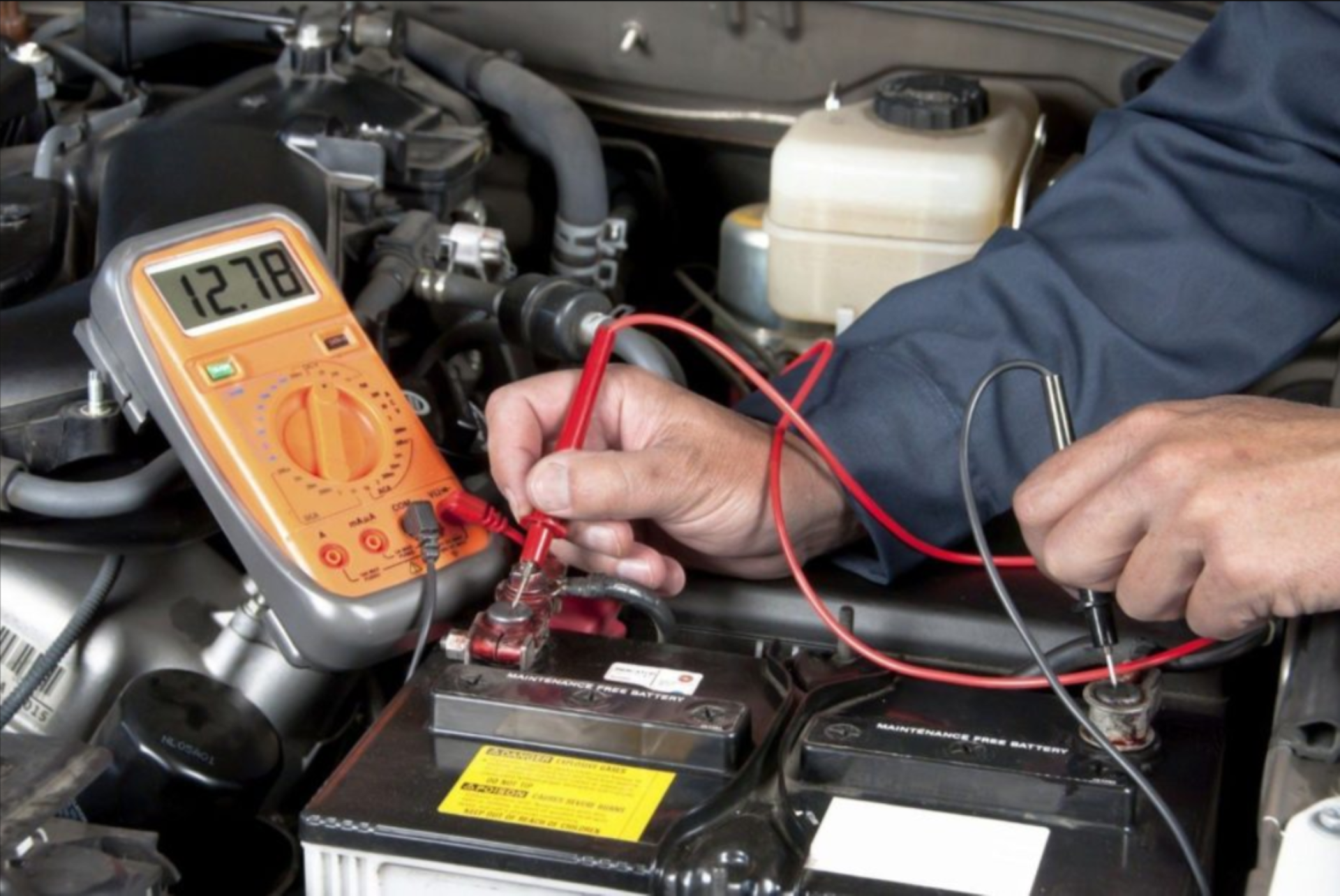
- Test Voltage Levels: Use a multimeter to check the battery’s voltage. A healthy, fully charged battery should read around 12.6 volts or higher. If it falls below 12.4 volts, it may be time to recharge or replace the battery, as it cannot hold a sufficient charge.
- Check Mounting Brackets: Ensure that the battery is securely fastened in its compartment. Loose mounting brackets can cause vibration damage, potentially affecting the battery's internal structure. Tighten loose bolts and replace rusted or damaged brackets to avoid potential issues.
- Look for Physical Damage: Carefully inspect the battery for any signs of swelling or cracks caused by winter freeze-thaw cycles. Swelling is often a sign of internal damage, and if you spot such issues, it may indicate that the battery needs to be replaced to prevent leakage or failure.
- Review Your Maintenance Log: Take this opportunity to review your battery maintenance log. Check for any previous notes about performance issues or unusual behavior. If any batteries have shown signs of underperformance, make a note to schedule replacements. Ignoring a weak battery can lead to unexpected breakdowns, so proactive management is key.
By taking the time to perform these spring maintenance tasks, you can help ensure your battery runs efficiently throughout the warmer months, reducing the likelihood of unexpected failures and prolonging its lifespan.
Summer Battery Maintenance Tips
As temperatures rise during the summer months, battery life becomes more challenging. The heat generated by high ambient temperatures can accelerate the evaporation of internal fluids, leading to warping of battery casings and potentially compromising performance and longevity. To help safeguard your battery during this hot season, consider the following tips:
- Monitor Fluid Levels: Regularly check the fluid levels in your battery, especially if you have a lead-acid type. If the fluid is low, top it off with distilled water. This helps maintain proper electrolyte levels and ensures optimal battery function.
- Clean Surrounding Areas: Dust and dirt can accumulate around the battery, creating insulation that retains heat. Make it a practice to clean any debris from the battery terminals and surrounding areas with a damp cloth. Avoid using abrasive materials that could damage the battery.
- Ensure Proper Airflow: Good airflow within the battery compartment is essential for dissipating heat. Inspect the area to ensure there is no obstruction to air circulation. If necessary, reposition components or remove any items blocking airflow.
- Inspect for Damage: Frequent visual inspections are critical during the summer. Look for signs of bulging, leaking, or discoloration, which can indicate battery overheating. If you find any of these symptoms, consider replacing the battery, as they can lead to failures or hazards.
- Use Heat Shields or Temperature-Resistant Batteries: Installing heat shields can provide additional protection against extreme temperatures. Alternatively, consider investing in temperature-resistant batteries that withstand higher heat levels while maintaining efficiency.
By taking these proactive summer maintenance measures, you can significantly extend your battery’s lifespan and enhance its performance as it powers your semi-trailer throughout the hot months.
Fall Battery Maintenance Tips
As the crisp autumn air sets in, it’s time to prepare your vehicle for the impending winter months. Fall serves as a crucial pre-winter safety net, especially regarding battery maintenance. Cold starts and battery failures often peak during early winter, making it essential to ensure your battery is in optimal condition before the temperatures drop.
Here are some detailed steps to help you maintain your battery effectively:
- Conduct a Comprehensive Load Test: Use a battery tester to thoroughly test your battery's ability to hold a charge under stress. This test replicates your battery's conditions during cold starts and provides valuable insights into its performance. If your battery struggles during this test, consider replacing it before winter.
- Measure Cold Cranking Amps (CCA): Cold Cranking Amps (CCA) signify your battery's ability to start the engine in cold temperatures. Check that your battery's CCA meets or exceeds the manufacturer's specifications for your truck. A battery with insufficient CCA can make it challenging to start your vehicle in frigid weather.
- Inspect Alternator Output: Measure the alternator's output voltage to ensure it is functioning correctly. The ideal charging range is between 13.7V and 14.7V. If your alternator is outside this range, it can lead to inadequate battery charging, increasing the risk of battery failure when you need your vehicle most.
- Apply Dielectric Grease to Terminals: To prevent winter moisture from compromising your battery connections, apply dielectric grease to the battery terminals and cable ends. This grease acts as a moisture barrier and helps improve electrical conductivity, which is essential for reliable performance in cold weather.
- Proactively Replace Aging Batteries: If your battery is nearing the end of its service life (typically 3 to 5 years), consider replacing it. Waiting for it to fail in freezing temperatures can leave you stranded. By replacing an aging battery in the fall, you can avoid the inconvenience and potential hazards of a dead battery in the dead of winter.
By following these fall battery maintenance tips, you’ll ensure your vehicle is ready to tackle winter's challenges, minimizing the risk of battery failure when you need it to perform at its best.
Winter Battery Maintenance Tips
During winter, maintaining your vehicle's battery becomes crucial, as cold-cranking power significantly affects your truck's ability to start. Low temperatures can slow chemical reactions in the battery, making it harder to start the engine. Here are some detailed tips to ensure optimal battery performance throughout the winter:
- Test Cold Cranking Amps (CCA): Regularly check your battery's CCA rating, which measures its ability to start your vehicle in cold conditions. Compare this rating with your truck’s specific startup requirements to ensure it meets the necessary standards. A battery with insufficient CCA may struggle in frigid temperatures, so if the rating is too low, consider replacing it before winter sets in.
- Utilize Battery Warmers or Thermal Blankets: Keeping your battery warm overnight can make a significant difference. Battery warmers or thermal blankets are practical tools for maintaining a temperature above freezing, even in extreme cold. These accessories gently warm the battery, providing a more efficient start by improving its performance during icy mornings.
- Install Weatherproof Terminal Covers: Protecting your battery terminals is vital for maintaining a strong connection and preventing corrosion. Weatherproof terminal covers can shield terminals from harmful exposure to snow, ice, and road salt, which can accelerate corrosion and cause poor electrical connections.
- Park in Insulated Garages or Near Block Heaters: Park your truck in an insulated garage or near a block heater whenever possible. Insulated spaces help maintain a warmer environment around the vehicle, reducing the strain on the battery and ensuring that fluids stay at optimal temperatures. Block heaters can be plugged in to preheat the engine, making it easier for the battery to start.
- Advise on Limiting Accessories During Engine-Off Periods: Educate drivers on the importance of conserving battery power when the engine is off. Limiting the use of accessories like the radio, heater, and lights can significantly help preserve the battery’s charge, especially during periods of inactivity. This practice is critical in cold weather, where the battery's reserve power is crucial for starting the vehicle.
By following these tips, you can help extend your battery's life and ensure reliable performance in harsh winter conditions. Taking proactive steps enhances safety and avoids the inconvenience of unexpected breakdowns in cold weather.
Common Signs Your Heavy-Duty Truck Battery Needs Replacement
Maintaining the reliability of your heavy-duty truck is essential, and a crucial aspect of that is ensuring your battery is in optimal condition. Being aware of signs that your battery may need replacement can help you avoid unexpected breakdowns and maintain your vehicle's efficiency. Here are some key indicators that suggest it might be time to consider a battery replacement:
1. Engine Cranks Slowly or Fails to Start
If your engine struggles to turn over or takes longer than usual to start, this might be an alarming sign. A battery losing its ability to hold a charge often manifests in difficulty starting the engine. If you have to crank the ignition several times before the engine runs smoothly, it’s time to investigate the battery's health further.
2. Dim Headlights or Flickering Interior Lights
A noticeable decline in your headlights' brightness, especially when your truck is idling, is another warning sign. Similarly, flickering interior lights can indicate that the battery isn't supplying consistent voltage. If this issue persists even after ensuring that your alternator is functioning properly, it likely points to a failing battery.
3. Dashboard Warning Lights
Your truck’s dashboard has warning lights to alert you to potential issues. Pay particular attention to any indicators related to the battery or electrical system. Should a battery warning light illuminate, it prompts you to investigate the problem further.
Ignoring these warnings can lead to more significant issues, affecting not just the battery but potentially the entire electrical system of your truck.
4. Visible Swelling, Leaking, or Corrosion
Regular inspections of your battery can reveal crucial clues about its health. Watch for signs of physical damage, like visible swelling of the battery casing, leakage of battery fluid, or corrosion around the battery terminals. Corrosion appears as a white, ashy substance and can interrupt the electrical connections. Any of these signs indicates that the battery is deteriorating and likely needs to be replaced soon.
5. Battery Age Exceeds 3–5 Years
The lifespan of a heavy-duty truck battery typically ranges from three to five years, depending on usage and maintenance. If your battery falls outside this age range, it is advisable to consider replacing it, even if it appears to function adequately. As batteries age, their reliability diminishes, making them more susceptible to unexpected failures.
By staying vigilant for these signs, you can ensure that your heavy-duty truck remains in optimal working condition and avoid unnecessary complications on the road. Regular maintenance and timely replacements are essential for the long-term performance and safety of your vehicle.
Additionally, regularly testing your battery can help you identify these signs early. This allows you to plan replacements strategically and avoid the inconvenience of being stranded with a dead battery. Keeping an eye on these indicators can save you time and money in the long run.
Best Practices for Battery Safety All Year Round
Maintaining the health and performance of your truck batteries is essential year-round. Implementing brilliant maintenance routines can significantly enhance battery longevity and reliability. Here are some comprehensive best practices to ensure your batteries are always in top shape:
- Schedule Monthly Battery Inspections: Conduct thorough monthly inspections to assess your batteries' condition before issues arise. Check for signs of corrosion, ensure that terminals are clean and tight, and verify that the battery is securely mounted. Regular inspections help in identifying potential problems early.
- Train Drivers to Recognize Early Signs of Battery Failure: Empower your drivers with knowledge of common symptoms, such as slow engine cranking, dim headlights, or dashboard warning lights. Training sessions can help them understand the importance of promptly reporting these signs, enabling timely interventions.
- Utilize Fleet Maintenance Software: Invest in software that lets you monitor battery health and performance metrics effectively. This technology can provide real-time data on battery usage, charging cycles, and overall performance, allowing you to make informed decisions about maintenance schedules and replacements.
- Log Inspections and Test Results: Keep a detailed log of all battery inspections and test results to track trends. Documenting these details helps you identify recurring issues and assess whether certain batteries are underperforming. This data-driven approach can lead to proactive measures that prevent future failures.
- Create a Preventive Care System: Establish a systematic preventive care program that reduces downtime caused by battery failures. This can include rotating batteries based on usage patterns, ensuring batteries are charged correctly, and replacing older batteries before they decline in performance. A structured maintenance timeline keeps your operations running smoothly.
By prioritizing battery safety through these best practices, you can enhance operational efficiency, minimize unexpected breakdowns, and extend the lifespan of your truck batteries. Staying proactive not only protects your assets but also ensures the reliability of your fleet.
Essential Tools and Products for Effective Battery Maintenance
When it comes to battery care, having the right tools at your disposal is crucial for ensuring optimal performance and longevity. Here’s a detailed list of recommended equipment that can significantly enhance your battery maintenance routine:
- Digital Battery Testers: These devices precisely record your battery’s charge level, health, and overall performance. Easy-to-read displays help identify issues early, allowing for timely interventions to prevent unexpected failures.
- Anti-Corrosion Terminal Spray: Corrosion at battery terminals can cause poor connections and power loss. This specialized spray forms a protective barrier to prevent corrosion buildup, ensuring reliable electrical connections and extending your battery's life.
- Smart Trickle Chargers: Unlike standard chargers, smart trickle chargers monitor battery condition and adjust the charge rate accordingly. They are perfect for maintaining batteries' charge during extended periods of inactivity, protecting them from deep discharge and potential damage.
- Heavy-Duty Jumper Cables: Quality jumper cables can mean the difference between a quick boost and a long wait in emergencies. Heavy-duty cables with thicker-gauge wires minimize resistance and ensure a strong connection, enabling efficient power transfer between vehicles.
- Heat Shields or Insulating Wraps: Batteries can be sensitive to extreme temperatures. Heat shields or insulating wraps help protect them from excessive heat or cold, maintaining optimal operating conditions and preventing temperature-related issues.
By equipping your maintenance team with these essential tools and ensuring that your drivers are well-trained in their use, you can significantly enhance the reliability and lifespan of your batteries. Regular maintenance backed by the right equipment lays the foundation for safe and efficient vehicle operation.
Conclusion
Effective truck battery maintenance is not merely a seasonal task but a strategic imperative that should be approached year-round. By optimizing your inspection and care routines year-round, you not only mitigate potential risks but also significantly reduce operational costs, ensuring your fleet remains consistently operational and dependable. Instead of reacting to emergencies, such as a no-start situation during a snowstorm or a battery failure on an excessively hot day, take proactive steps to maintain battery health. Developing a comprehensive, year-round battery maintenance plan is crucial. This plan should encompass regular checks, timely replacements, and thorough cleaning of battery terminals to prevent corrosion.
Additionally, training your drivers to recognize early signs of battery wear and encouraging them to perform routine inspections can further enhance the reliability of your fleet. Keeping a detailed log of all inspections and maintenance activities will allow you to track battery performance over time and identify patterns that can inform your strategies. When your batteries are in optimal condition, it positively impacts your entire operation, leading to increased efficiency, reduced downtime, and heightened road safety.
Don’t leave battery health to chance; commit to a proactive maintenance approach today.

.avif)