
If you're managing a truck fleet this wet season, you already know it’s not business as usual. Rain, mud, and unpredictable road conditions bring new challenges that can affect your trucks’ performance and put your operations at risk. Whether it's slippery roads, reduced visibility, or water creeping into electrical systems, these conditions demand more from your vehicles and truck operators.
As a fleet manager or owner-operator, you know how important it is to prepare your vehicles beforehand. Waiting for problems to happen only puts your heavy-duty operations at risk.
Worn tires, weak brakes, or poor lighting can quickly become safety hazards during the wet season. On dry roads, these issues might not seem urgent. But heavy rain increases the chances of delays, breakdowns, and emergency repairs, many of which could have been avoided with early maintenance.
In this guide, I’ll walk you through the exact steps you need to keep your truck fleet running smoothly during the wet season, with less stress and more control. We’ll look at the common risks this weather brings, what systems need immediate attention, and how you can keep everything running smoothly, without guesswork or last-minute fixes.
If you’re ready to stay ahead of the season, let’s get into it.
The Unique Risks the Wet Season Brings
Wet-season conditions create more than just driving discomfort; they expose your fleet to mechanical and safety issues. If you don’t prepare early, minor problems can quickly escalate into costly breakdowns or serious road hazards.
- Let’s start with traction. Rain reduces friction between tires and the road, increasing the risk of skidding, hydroplaning, and poor braking response. Even with minor tire wear, this becomes a bigger safety concern for drivers.
- Then there’s poor visibility. Heavy rainfall, fogged windows, and poor wiper performance can limit what your drivers and other road users see. If your lighting system is dull or your wipers are overdue for replacement, you’re already disadvantaged in wet weather.
- Mud is another concern. It builds up quickly, especially if your routes include construction zones, rural areas, or unpaved roads. Left unchecked, it can clog your undercarriage, accelerate rust, and put pressure on suspension components.
- Water exposure also affects your truck’s electrical systems. Moisture can reach wiring, battery terminals, sensors, and control modules, leading to short circuits or equipment failure if seals and protections aren’t intact.
Each of these risks adds up, and the longer you wait, the harder they are to control. That’s why preparation starts here.
Why Proactive Maintenance Is an Important Strategy for Protecting Semi-Trucks During the Rainy and Muddy Season
Relying on reactive repairs during the rainy season to manage a fleet of heavy-duty trucks can quickly lead to unnecessary downtime, emergency costs, and serious safety risks. Wet, muddy conditions strain heavy-duty systems such as brakes, tires, lighting, and electrical components.
These systems are critical to safe operation and are likely to break down under pressure if you fail to inspect and maintain them in advance.
You need proactive maintenance before the wet season sets in. Early planning will give your team time to identify and fix minor issues before they escalate, including cracked wiring, worn-out brake pads, and failing wipers.
Here’s why a proactive maintenance approach is essential during rainy and muddy conditions:
1. Reduces Emergency Repairs and Unscheduled Downtime
Rainy, muddy conditions increase the risk of breakdowns, from brake failures and electrical faults to tire blowouts due to reduced traction. A short delay can impact delivery times and driver safety for semi-truck fleets.
A preventive maintenance strategy helps you identify and fix these issues before they cause significant disruptions. Instead of dealing with emergency repairs that pull your trucks off the road, you stay ahead of problems and keep your schedule running smoothly. With proper preseason preparation, your fleet remains operational even when the weather is against you.
2. Extends the Life of Critical Components
Water, mud, and road debris can quickly wear down essential parts of your semi-trucks, particularly tires, brake pads, suspension systems, and wiring. If you fail to address these issues as a fleet manager or truck owner, they can accelerate corrosion and damage.
With a scheduled maintenance routine, you can clean, lubricate, and inspect these parts regularly to prevent minor issues from turning into costly replacements. Keeping up with servicing will help your heavy-duty trucks last longer, reduce long-term repair expenses, and protect your investment season after season.
3. Improves Driver Safety and Confidence
Driving in wet-season conditions is stressful, as it involves low visibility, slick roads, and unpredictable traffic, which puts your drivers on edge. However, when your fleet follows a consistent before-and-after-season routine upkeep schedule, it reduces the risk of mechanical failures that add to that stress.
Investing in responsive brakes, solid tire grip, working wipers, and bright headlights will help your drivers stay in control even on slippery, muddy roads. When truck operators know that their rigs are in reliable condition, they have peace of mind thus reducing drivers turnovers. Moreover, they can focus entirely on the road without worrying about the uncertainties of unfavourable weather.
4. Gives You Better Control Over Maintenance Costs
Emergency repairs during the wet season can become quite costly. Due to towing fees, overnight part replacements, and unexpected downtime, expenses quickly increase. Establishing a reliable, planned servicing routine allows you to distribute repairs over time, avoid last-minute fixes, and manage your budget more effectively.
The approach also allows you to schedule maintenance during low-demand periods, negotiate better service rates, and avoid paying a premium for rushed roadside repairs. Over time, this strategy saves you money and gives you greater control over your fleet's operating expenses.
5. Keeps Your Fleet Compliant and Ready for Inspections
During wet seasons, roadside inspections often increase, especially if weather-related accidents rise in your region. A well-maintained truck will likely pass DOT inspections, avoid fines, and meet company and regulatory safety protocols.
Staying ahead of issues like lighting, tire wear, and brake condition, as well as keeping records of your maintenance checks, strengthens your compliance with DOT regulations. This is essential for your fleet and will help you avoid penalties and additional downtime during safety inspections and truck and driver audits.
Taking a proactive approach isn’t just about preventing problems; it’s about building a maintenance system that supports your drivers, protects your assets, and keeps your business moving even in harsh weather. Let's proceed with the key maintenance tasks to include in your wet-season checklist.
Stop Weather Damage Before It Starts: Your Wet-Season Fleet Maintenance Checklist
One overlooked repair today could lead to a serious roadside emergency tomorrow. During the rainy season, water, mud, and poor visibility can put extra stress on your fleet. If your trucks aren’t adequately prepared, even routine tasks can come to a standstill. That’s why now is the perfect time to take action.
This process goes beyond merely checking items off a list. A thorough wet-season maintenance checklist can help you prevent rust, reduce traction loss, avoid visibility hazards, and identify weak points before they become costly. From tire pressure to brake response and lighting systems, inspecting each item now enhances safety, performance, and operational uptime.
Consider this winter maintenance checklist as your go-to rainy-season shield, a step-by-step guide to safeguarding your equipment, supporting your drivers, and keeping your semi-trucks running reliably through every downpour, detour, and muddy job site.
1. Inspect and Maintain Tire Health for Maximum Wet-Season Grip
Your tires are the only connection your semi-truck has to the road, and their performance during the rainy season is crucial for your safety.
- Start by checking the tread depth; if it is less than 4/32 of an inch, your trucks are at a serious risk of hydroplaning.
- Next, inspect your tires for cracks, uneven wear, or embedded debris that could affect traction.
- Make sure each tire is inflated correctly according to the load requirements. Underinflated tires reduce grip, while overinflated tires wear out faster and handle poorly on wet roads.
- Finally, stick to a regular tire rotation schedule to promote even wear and keep your fleet safe while navigating slick highways and muddy delivery sites.
2. Ensure Optimal Visibility in Heavy Rain and Low-Light Conditions
When heavy rain is falling, visibility is your driver's best defense. Don't let fogged windshields or dim lights put your fleet at risk. Start by replacing worn-out wiper blades with high-performance options, ideally those treated with a rain-repellent formula. Be sure to top off your windshield washer fluid and check the spray nozzles for any clogs.
Next, inspect all exterior lights, including headlights, brake lights, turn signals, and marker lights. Clean the lenses, replace any dim or flickering bulbs, and repair cracked housings before they become safety hazards. Intense, reliable lighting and clear windshields help drivers see and be seen, especially when visibility decreases and road conditions become unpredictable.
3. Keep the Undercarriage Clean to Prevent Rust and Costly Repairs
What you can’t see can still harm your truck. During the rainy season, mud, grime, and road salt can quickly accumulate. If left unattended, these substances can damage your truck’s underbody, degrade suspension components, and lead to long-term corrosion.
Make routine undercarriage cleaning a part of your maintenance checklist. A high-pressure wash removes packed debris that could clog moving parts or wear down brake lines and fuel systems.
For added protection, consider applying a durable undercoating to shield against moisture, rust, and future buildup. This simple step can save you thousands in repairs and extend your truck’s lifespan.
4. Check and Seal Electrical Systems Before Moisture Strikes
Wet weather and exposed wiring do not mix; even a small short circuit can put a truck out of service. As part of your wet-season maintenance, inspect all key electrical components, including wiring harnesses, fuse boxes, battery terminals, and connectors. Look for frayed wires, loose connections, or corrosion that could lead to power loss or electrical malfunction of your heavy-duty truck.
To protect against moisture and short circuits, apply dielectric grease to terminals and use waterproof sealants around vulnerable areas. These simple preventive measures will help safeguard your semi-truck’s electrical system from rain-related issues, which could lead to costly downtime or safety hazards.
5. Test the Battery and Charging System Before It Lets You Down
A weak battery during a rainstorm can lead to roadside delays. Wet weather during the season strains older batteries, especially when combined with frequent starts, lights, wipers, and HVAC usage. Ensure you practice some effective battery maintenance tips to keep your semi-truck powered despite the season. Begin with testing the battery's charge levels and cold-cranking amps. If the battery is nearing the end of its life, replace it before the season leaves you stranded.
Additionally, inspect the entire charging system, including the alternator, voltage regulator, and all wiring connections. Ensure that your semi-truck can maintain a steady charge under heavy electrical loads. This simple check will keep your fleet powered, responsive, and road-ready, regardless of how stormy the weather gets.
6. Reinforce Mudflaps and Fenders to Control Splash and Protect Vital Parts
When roads turn into mud tracks, managing splash control becomes crucial for appearance and safety. It is essential to inspect all mudflaps and fenders for cracks, loose fittings, or missing parts. These components help minimize spray that can obscure visibility for drivers and other vehicles.
Reinforcing or replacing damaged parts keeps your trucks cleaner and prevents mud from clogging brake components, sensors, and lighting systems. Controlling splashback protects your fleet and everyone else on the road during challenging, wet conditions.
7. Monitor Braking Performance for Safe Stops in Wet Conditions
Brakes are your last line of defense, and you need stopping power in rainy conditions. Inspect the brake pads, rotors, and linings for wear, and replace any parts that appear uneven or dangerously thin. Make sure to top off the brake fluid and check for any leaks in the system.
For fleets using ABS or air brakes, test their functionality under load to ensure they respond effectively when needed. Also, clean off mud, road debris, and moisture, as these factors can reduce brake performance and accelerate wear. Staying proactive about brake maintenance keeps your trucks and drivers safe during every storm and slippery stop.
8. Use Telematics for Smarter Decisions and Real-Time Risk Monitoring
You cannot control the weather, but outsmart it with advanced telematics devices tailored for your fleet. Fleet tracking systems provide live updates on vehicle health, unsafe driving behaviors, and risky routes prone to flooding or delays. This real-time data allows you to identify issues before they become costly.
Leverage telematics insights to schedule early maintenance checks, reroute drivers around weather hazards, and respond quickly to mechanical warnings. It’s a powerful tool that helps keep your fleet safer, more efficient, and fully prepared to handle everything the wet season has in store.
9. Equip Trucks with Emergency Gear for Wet-Season Breakdowns
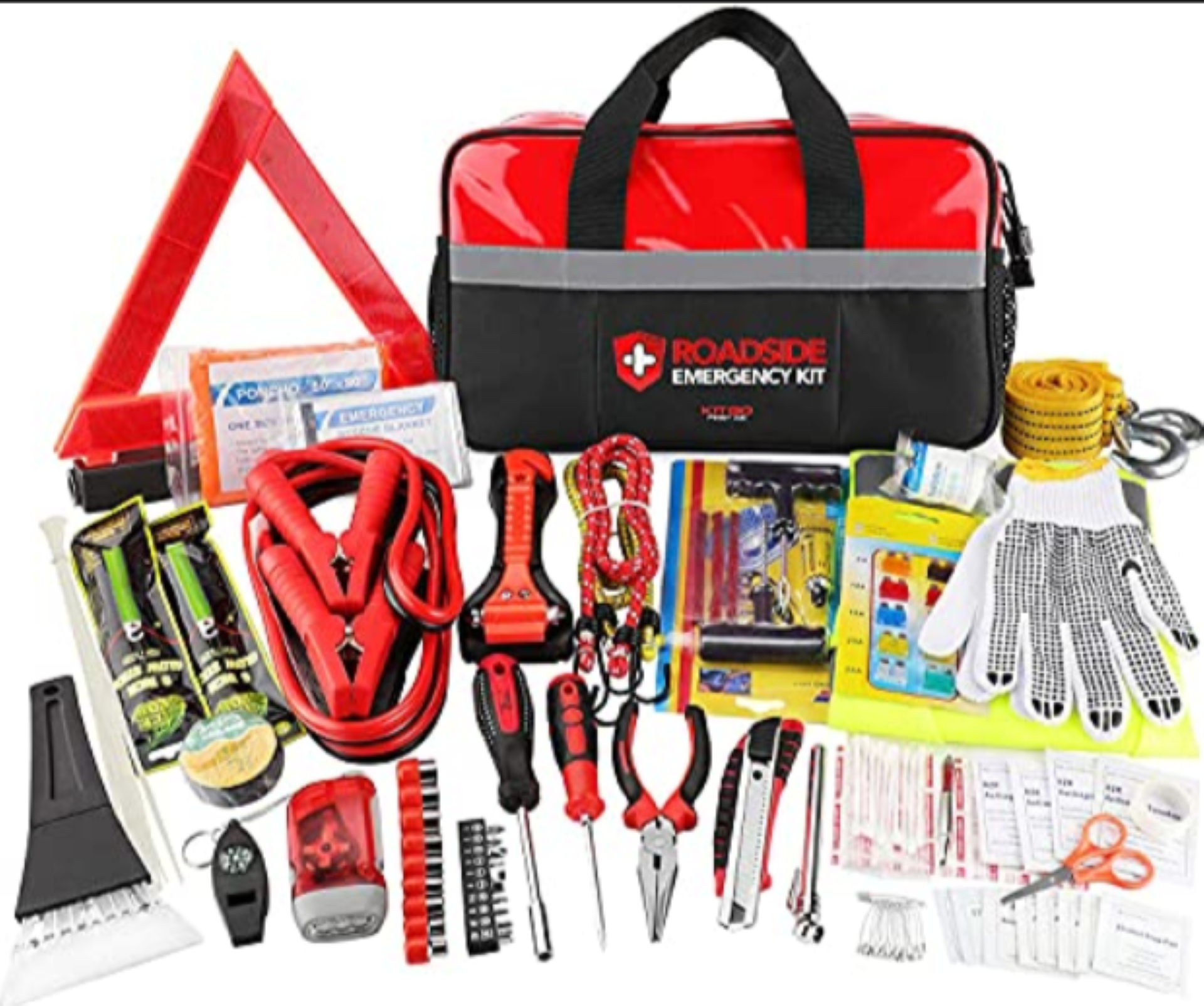
When weather-related emergencies occur, having the right gear can make all the difference. Every truck in your fleet should have a well-stocked wet-weather emergency kit. Include essential items such as traction mats, reflective vests, rain ponchos, heavy-duty flashlights, portable tire inflators, and road flares.
These items help ensure that drivers remain safe, visible, and prepared in case they get stuck in mud, experience a sudden breakdown, or need to wait out a storm on the roadside. A fully equipped truck enhances driver safety, reduces downtime, and improves your fleet’s response during unpredictable wet-season conditions.
10. Train Drivers on Wet-Season Best Practices to Complete Your Fleet Readiness
Even the best-maintained truck can fail without a confident, prepared driver. That's why seasonal training is just as crucial as inspections and repairs. Offer quick refresher sessions on wet-weather driving techniques, such as managing speed, maintaining safe following distances, handling skids, and braking on slippery roads.
Additionally, teach drivers to recognize and report early warning signs of mechanical issues. When your team knows what to look for and how to respond, you reduce risks, improve reaction times, and enhance your fleet's safety in challenging weather conditions.
How Partnering with a Maintenance Service Provider (Like Truckup) Can Help
Even with the best internal processes, managing seasonal maintenance for an entire fleet can be overwhelming, especially when wet weather causes unexpected breakdowns or delays. Partnering with a dedicated maintenance provider like Truckup can make all the difference.
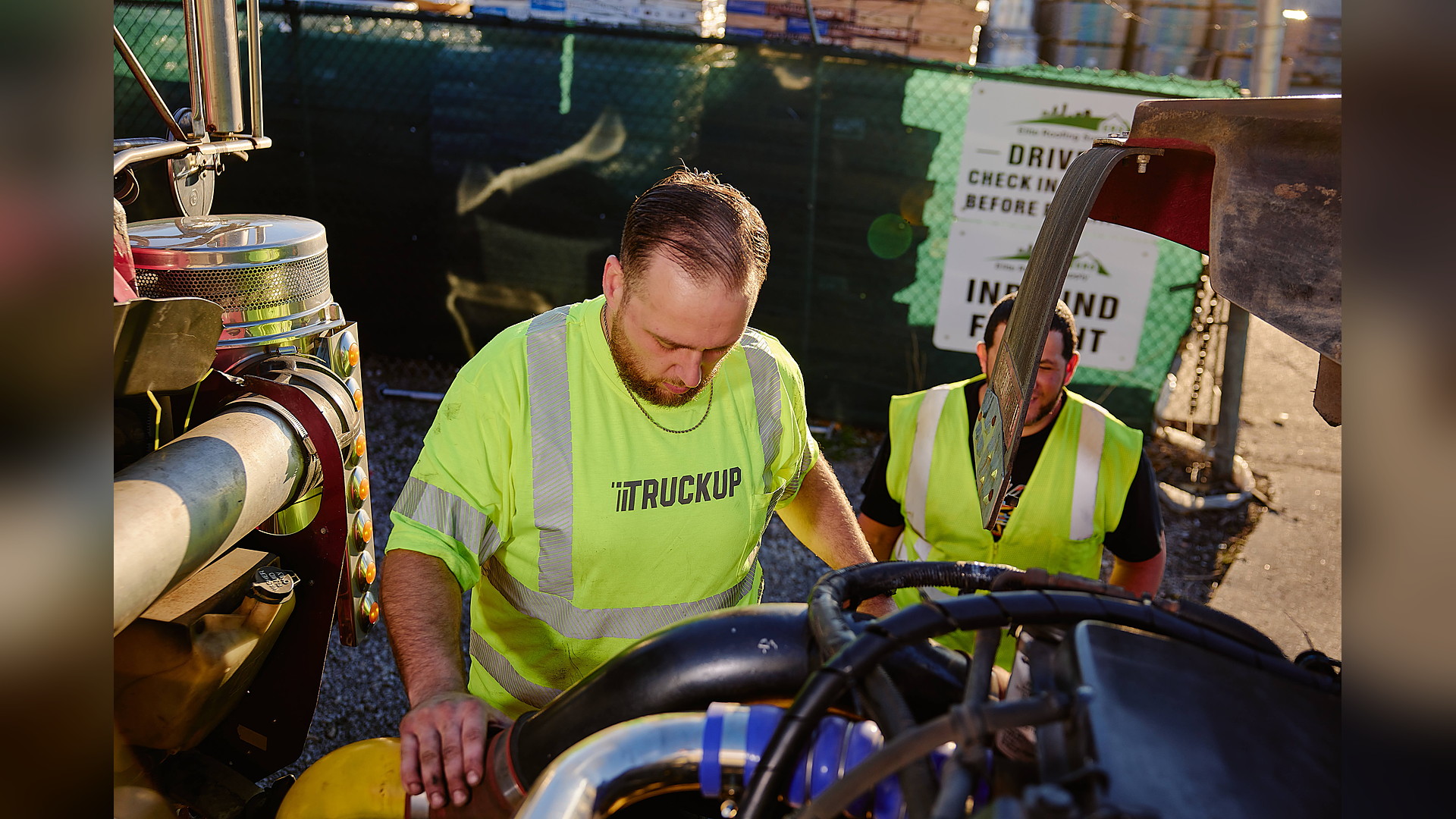
Truckup offers tailored services designed to help you stay ahead of seasonal changes. From pre-rainy-season inspections and tire replacements to battery testing and undercarriage protection, their team handles the details so you can focus on operations. They also provide 24/7 roadside assistance, helping you respond quickly when weather causes a road setback.
What makes service providers like Truckup even more valuable is their proactive approach. You’ll get reminders for upcoming maintenance, detailed diagnostics through connected apps, and access to a network of certified technicians, minimizing downtime and extending the lifespan of your fleet.
In short, when you have a partner who understands the demands of wet-weather operations, you gain peace of mind, better reliability, and fewer repair surprises during the months that test your fleet the most.
Conclusion: Get Ahead of the Weather Before It Gets the Best of Your Fleet
Rain, mud, and unpredictable road hazards are part of every wet season, but that does not mean your trucks must suffer the consequences. With the right strategy, your fleet can operate smoothly and safely, even in the harshest conditions. A forward-thinking maintenance approach, with seasonal checklists, driver training, and innovative technology, puts you in control. By staying ahead of tire wear, electrical failures, poor visibility, and braking issues, you reduce emergency repairs and keep downtime to a minimum.
It’s not just about protecting your trucks; it’s about protecting your drivers, delivery schedules, and bottom line. Don’t wait until weather-related issues force your trucks off the road. Now is the time to inspect, repair, reinforce, and prepare. Early action makes a lasting difference, whether you manage a few heavy-duty trucks or a nationwide fleet. Moreover, if the task feels too large to handle in-house, consider partnering with a dedicated maintenance provider like Truckup. They’ll help you avoid weather-related disruptions and ensure your fleet is ready to perform, rain or shine.
Stay ready. Stay safe. Stay moving.
.avif)