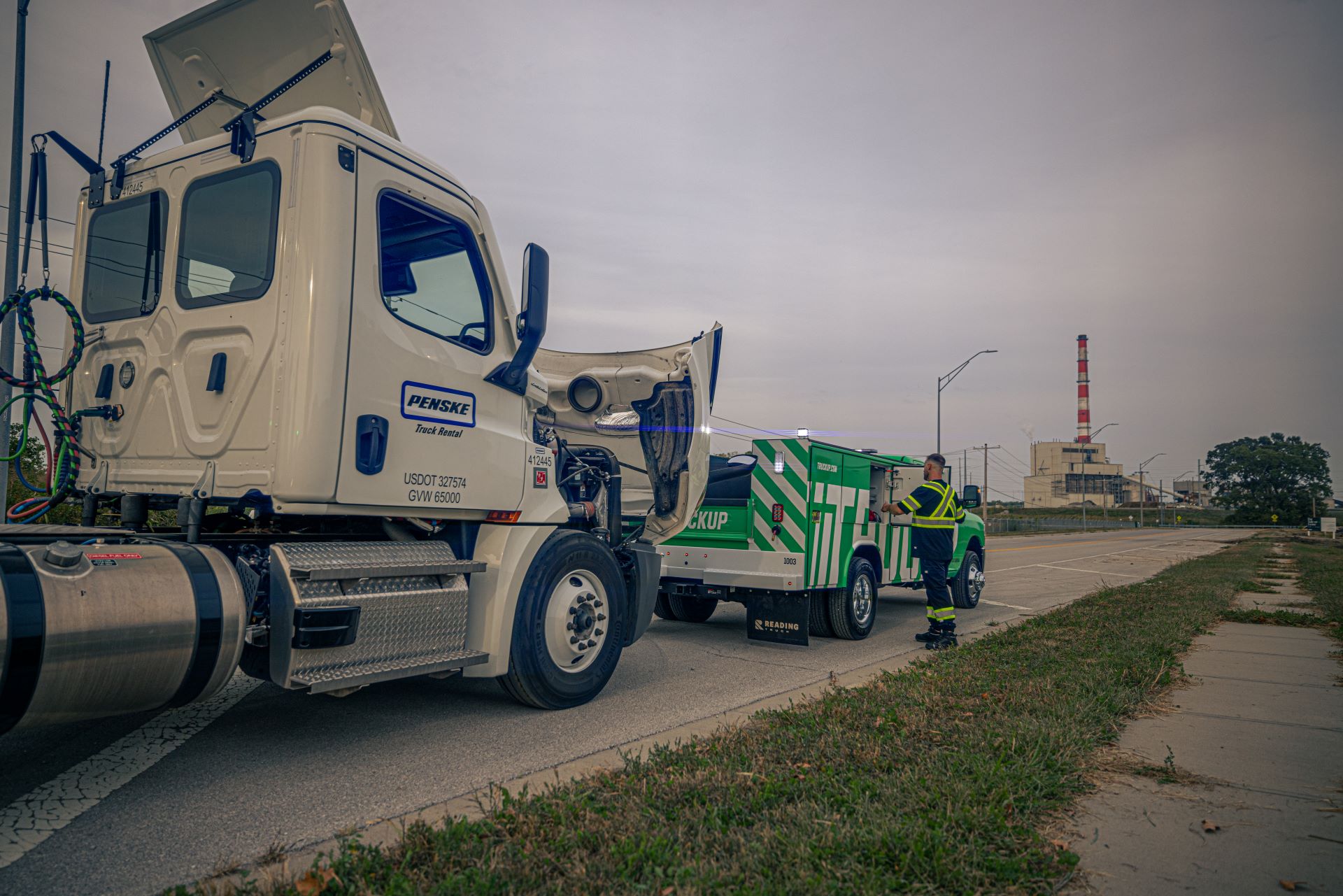
What’s more expensive for your fleet? A quick maintenance check today or a complete roadside repair tomorrow? Breakdowns rarely occur without warning. In most cases, they stem from minor issues that worsen over time.
Skipping maintenance, driving on worn tires, delaying minor repairs, or ignoring seasonal weather prep can all push trucks closer to failure. Add poor driving habits to the mix, and unplanned downtime becomes costly.
A single breakdown will disrupt deliveries, delay schedules, frustrate customers, and put extra pressure on drivers. As a fleet manager, I know that these hidden costs can often outweigh the cost of fixing the vehicle itself. The good news is that most breakdowns are avoidable with the right balance of preventive maintenance, driver awareness, and modern fleet technology.
In this article, we’ll cover 13 of the most common causes of truck breakdowns and how to prevent them. We’ll also explore the role of scheduled maintenance, the driver’s role in reducing risks, and how technology helps keep fleets running efficiently.
13 Common Causes of Truck Breakdowns and How to Prevent Them
1. Skipped Preventive Maintenance
When you delay or ignore a scheduled inspection, minor problems that could be fixed in minutes often become costly roadside failures. For example, low fluid levels may lead to overheating, and a worn belt can suddenly brake, leaving the truck stranded.
Preventive maintenance is a systematic approach to keeping every part of your semi-truck in good working order. Skipping one round of service increases the risk of hidden issues going undetected.
Over time, overlooked problems can reduce your vehicle’s fuel efficiency, shorten the lifespan of critical components, and increase the likelihood of unplanned downtime.
If you manage fleets, a missed maintenance appointment can result in more than just repair bills, as breakdowns disrupt delivery schedules, damage customer trust, and unnecessarily stress drivers.
In contrast, a consistent preventive maintenance schedule ensures trucks stay road-ready, reduces the likelihood of emergency repairs, and keeps operating costs predictable.
2. Delayed Repairs
Delaying repairs is another major cause of truck breakdowns. Minor faults such as warning lights, unusual noises, fluid leaks, or vibration often seem harmless initially. However, when left unchecked, these issues quickly escalate, leading to more significant and expensive problems, which can sometimes result in roadside emergencies.
For example, ignoring a minor oil leak could damage the engine, while postponing brake repairs puts both the driver and the truck at risk.
Quick attention to repairs saves money in the long run. Addressing faults early reduces repair costs, improves truck reliability, and prevents unexpected downtime that can disrupt delivery schedules. It also helps extend the life of your fleet and keeps drivers safe on the road.
3. Poor Tire Care
Tires are one of the most common reasons trucks break down. Issues such as underinflated, overinflated, or worn-out tires can easily lead to blowouts, reduced fuel efficiency, and increased safety risks. Uneven wear from poor alignment or skipped rotations also shortens tire life and increases the chance of failure during long hauls.
Since trucks carry heavy loads and travel long distances, even minor tire problems can lead to serious breakdowns. A blown tire causes costly repairs, delays deliveries, creates road hazards, and puts the driver at risk.
As a truck driver or fleet manager, always check the tire pressure and tread depth before every trip, rotate tires regularly, and ensure proper wheel alignment. A tire pressure monitoring system (TPMS) can also help you spot issues early and avoid breakdowns.
4. Battery Problems
A battery failure can lead to truck breakdowns, especially during extreme weather conditions. Cold temperatures can reduce a battery’s starting power, while high heat accelerates wear on internal components. Loose connections, corroded terminals, or aging batteries often go unnoticed until the truck refuses to start.
A dead battery on the road can delay schedules and require costly towing or roadside assistance to a nearby truck repair shop. For a company managing fleets, repeated battery failures can result in lost productivity, increased repair costs, and frustrated drivers and customers.
Ensure your truck’s batteries are tested regularly, the terminals are cleaned, and connections are checked during routine maintenance. Moreover, consider replacing old batteries before they fail and carrying a backup power source in regions with harsh weather conditions.
5. Brake System Failures
Brakes are the most critical safety system in a truck. If they fail, the results can be dangerous and costly. Worn brake pads, leaking brake fluid, or damaged components can reduce stopping power and put extra strain on other system parts.
Ignoring early brake warning signs, such as squealing noises, soft pedal feel, or longer stopping distances, often leads to sudden failures and unexpected breakdowns.
Brake-related breakdowns can lead to delivery delays, increased road accidents, and higher liability risks for fleets. Keeping brakes in top condition is crucial for protecting both drivers and their vehicles.
Inspect the brake system during every service, replace pads and fluid on schedule, and encourage drivers to report any changes in braking performance immediately.
6. Engine Overheating
Engine overheating is a common occurrence in trucks. If not fixed on time, it can often result in breakdowns, especially during long hauls or hot weather.
Problems such as coolant leaks, faulty radiators, clogged hoses, or broken water pumps reduce the cooling system’s ability to regulate temperature. Overheating can lead to severe engine damage and costly repairs if not addressed early.
An overheated engine can stop a trip, shorten a vehicle’s lifespan, and increase fleet downtime. One overheating incident can weaken crucial vehicle components, exposing them to future breakdowns.
To prevent breakdown issues that result from overheating, you can do the following;
- Check the coolant levels regularly
- Inspect hoses and radiators for leaks
- Service the cooling system on schedule
- Installing temperature monitoring tools can also help drivers spot problems before the engine overheats.
7. Transmission Issues
Transmission problems are another costly cause of truck breakdowns. Low or contaminated transmission fluid, worn clutches, or damaged gears can lead to poor performance, slipping, or complete transmission failure.
Since transmissions transfer power from the engine to the wheels, minor issues can quickly affect drivability and lead to roadside breakdowns.
Ignoring transmission warning signs like delayed shifting, grinding noises, or fluid leaks can make repairs far more expensive. For fleets, unexpected transmission failures often result in lengthy repair times, increased costs, and prolonged downtime.
Ensure you service transmissions regularly, check fluid levels, and replace fluids as the manufacturer recommends. Training drivers to report unusual noises or shifting problems promptly can help identify issues before they lead to breakdowns.
8. Fuel System Failures
Fuel system issues can leave your trucks stranded without warning. Common problems include clogged fuel filters, contaminated fuel, faulty pumps, or frozen fuel lines during winter. When the performance of your truck’s fuel system is compromised, the vehicle may struggle to start, lose power while driving, or stall completely, causing unexpected breakdowns and delivery delays.
Fuel system failures are particularly costly for fleets, as they impact performance and efficiency. Moreover, trucks that run on dirty fuel or overdue filters tend to burn more fuel, which raises operating costs over time.
To fix the issue, ensure fuel filters are replaced on schedule, water separators are drained regularly, and high-quality fuel is used. Additionally, additives can prevent gelling and keep lines from freezing in cold weather.
9. Electrical Failures
A faulty wiring system, a dead alternator, a blown fuse, or a failing sensor can result in a sudden loss of power or a complete malfunction of your heavy-duty truck. Since modern trucks rely heavily on electronics for engine control, lighting, GPS, and safety systems, even a minor electrical issue can quickly take a semi-trailer off the road.
Electrical failures can prevent a vehicle from running and pose safety risks, especially if the headlights, brake lights, or indicators stop functioning during a trip. These breakdowns can lead to increased downtime, higher repair costs, and potential compliance issues with road safety regulations.
You can prevent electrical issues from stalling your fleet by inspecting your truck’s electrical wiring and connections during routine maintenance. Test alternators and starters, and replace worn or corroded parts early. Using diagnostic tools can also help identify electrical issues before they cause breakdowns.
10. Weather-Related Strain
Extreme weather is a hidden but powerful cause of truck breakdowns. Freezing temperatures thicken fluids, freeze fuel lines, and weaken batteries, while scorching heat stresses cooling systems and tires.
Moreover, heavy rain and flooding can damage brakes and electrical components, reducing visibility and increasing the risk of roadside failures.
Weather-related strain can damage equipment and disrupt schedules. Trucks that are not weatherproofed face a higher risk of downtime, missed deliveries, and safety hazards. For fleets operating in different regions, the impact of unfavorable weather can be unpredictable but costly.
Prepare trucks for each season by switching to weather-appropriate fluids, testing batteries, checking tire pressure, and protecting sensitive components to ensure optimal performance. Pre-season inspections can help identify vulnerabilities before conditions worsen.
11. Poor Driving Habits
The manner in which a truck is driven has a significant impact on its reliability. Aggressive driving habits, such as hard braking, speeding, and rapid acceleration, put unnecessary stress on brakes, tires, and engines. Ignoring warning lights or continuing to drive with minor faults also accelerates wear and increases the risk of roadside breakdowns.
Over time, poor driving habits shorten the lifespan of key components and raise maintenance costs. This translates into more unplanned repairs, higher fuel consumption, and greater safety risks for fleets. On the other hand, well-trained drivers help extend vehicle life and keep trucks road-ready.
Provide driver training on safe and efficient driving practices. Encourage drivers to report unusual vehicle behavior promptly and reward those who consistently follow good driving habits.
12. Overloading
Carrying loads beyond a truck’s capacity is one of the fastest ways to cause breakdowns. Overloading puts excessive strain on the suspension, tires, brakes, and engine. It can lead to tire blowouts, overheating, and premature wear of critical parts. Beyond mechanical issues, overloaded trucks are more difficult to control, increasing the risk of accidents.
For fleets, the hidden costs of overloading include higher fuel consumption, frequent repairs, and potential fines for violating weight regulations. Over time, the damage from repeated overloading shortens a truck’s lifespan and reduces overall fleet efficiency.
Always follow manufacturer weight limits and use load-monitoring technology to avoid exceeding capacity. Train drivers and loaders to balance cargo correctly to minimize strain on vehicle components.
13. Poor Fleet Monitoring Practices
Minor issues in trucks often go unnoticed without proper monitoring until they cause breakdowns. Missed inspections, untracked repairs, or overlooked driver reports make it more difficult to identify problems early. This lack of visibility for fleets leads to higher repair costs, unexpected downtime, and reduced overall efficiency.
Modern trucks generate valuable data on performance, fuel use, and component health. When fleets don’t track this information, they miss opportunities to prevent failures and plan maintenance more effectively.
Telematics, GPS, and digital inspection apps monitor real-time truck performance. Regularly review data to identify problems early, minimize breakdown risks, and maintain trucks' reliable operation.
The Role of Preventive Maintenance in Reducing Breakdowns
Preventive maintenance is an effective way to keep your trucks on the road and avoid costly repairs. By maintaining a regular service schedule, you can identify minor issues before they escalate into major failures.
Routine tasks such as oil changes, fluid top-ups, brake checks, and tire inspections greatly reduce the risk of breakdowns.
For fleets, preventive maintenance is more than fixing parts; it’s improving reliability, fuel efficiency, and safety. Trucks that receive regular care last longer, use less fuel, and perform better under demanding conditions.
Skipping this process, on the other hand, increases the chances of roadside emergencies, delivery delays, and higher operating costs.
Another key benefit of preventive maintenance is predictability. Instead of dealing with surprise repairs and downtime, fleets can plan servicing during off-hours to keep trucks available when needed. Over time, this approach saves money, builds customer trust, and helps drivers feel more confident.
Core Preventive Maintenance Tasks
- Regular oil and filter changes
- Brake system inspections and servicing
- Tire pressure checks, rotations, and alignments
- Battery testing and replacements
- Coolant and fluid level checks
- Transmission and engine inspections
- Electrical system diagnostics
Keeping a routine preventive maintenance strategy is the foundation of reliable fleet operations and the most effective way to prevent truck breakdowns.
How Technology Helps Prevent Breakdowns
Modern fleet technology is transforming how companies manage truck health and performance. Instead of waiting for breakdowns to occur, technology provides real-time visibility and early warnings, allowing you to resolve issues before they cause downtime.
Here’s how different tools play a key role in preventing and reducing breakdowns.
- Telematics systems monitor engine performance, fuel usage, and driver behavior and send alerts when unusual patterns are detected.
- Predictive maintenance software utilizes sensor data to forecast potential failures, enabling fleets to schedule repairs at the optimal time.
- GPS tracking improves routing and detects when vehicles deviate from optimal paths, reducing unnecessary wear and tear.
- Mobile apps allow drivers to log issues, upload inspection reports, and communicate with managers instantly.
- Diagnostic tools, such as On-Board Diagnostics (OBD) systems, provide detailed error codes that expedite troubleshooting and repairs.
Integrating these technologies with your fleet management system ensures you never miss a critical alert and can respond quickly to potential issues.
The Driver’s Role in Preventing Breakdowns
While preventive maintenance programs are essential, drivers play an equally important role in keeping trucks running smoothly. Since they spend the most time behind the wheel, drivers are often the first to notice early signs of trouble.
Drivers can reduce unexpected breakdowns and costly roadside emergencies by:
- Reporting issues quickly instead of waiting for scheduled service.
- Performing daily pre-trip and post-trip inspections. Simple checks, such as looking for fluid leaks, listening for unusual noises, and confirming that warning lights are off, can help catch problems early.
- Monitoring tire pressure, brakes, and lights during trips to spot mid-route issues.
- Practicing safe driving habits. Smooth acceleration, gentle braking, and avoiding overloading reduce strain on truck components and extend their lifespan.
When drivers stay alert and consistent with these practices, they become your fleet’s first line of defense against breakdowns.
Common Signs Your Heavy-Duty Truck Needs Immediate Attention
Even the best maintenance program can’t prevent every issue. That’s why knowing the early warning signs of truck trouble is critical. Spotting these signs early can save your fleet from costly roadside emergencies and extended downtime.
Here are some red flags that should never be ignored:
- Unusual noises – Grinding, knocking, or squealing sounds often signal problems with brakes, suspension, or belts.
- Warning lights – Dashboard alerts, such as the check-engine, ABS, or low-oil pressure light, should prompt immediate action.
- Fluid leaks – Puddles under the truck may indicate oil, coolant, or brake fluid leaks, which can lead to breakdowns.
- Reduced performance—Sluggish acceleration, difficulty starting, or poor fuel economy can indicate issues with the engine or transmission.
- Excessive smoke – Blue, black, or white exhaust smoke often indicates burning oil, fuel system problems, or coolant leaks.
- Steering or braking issues – Vibration in the steering wheel, pulling to one side, or longer braking distances indicate a safety risk.
Encourage truck drivers to report these signs immediately, rather than waiting until the next scheduled service. Acting early helps keep minor problems from becoming costly roadside failures.
Final Thoughts: Building a Breakdown-Free Fleet in 2026
Downtime is the hidden cost that quietly drains fleets of time, money, and customer trust. The smartest fleets don’t just respond to breakdowns; they design strategies that make breakdowns rare. This means treating maintenance as an investment, empowering drivers to be active partners in their truck's health, and utilizing technology as a safety net rather than an afterthought. The payoff is bigger than fewer repairs. Preventive measures translate into higher vehicle availability, safer roads, more substantial profit margins, and a reputation for reliability that keeps business moving forward. In trucking, uptime isn’t just a metric; it’s your competitive edge.

.avif)