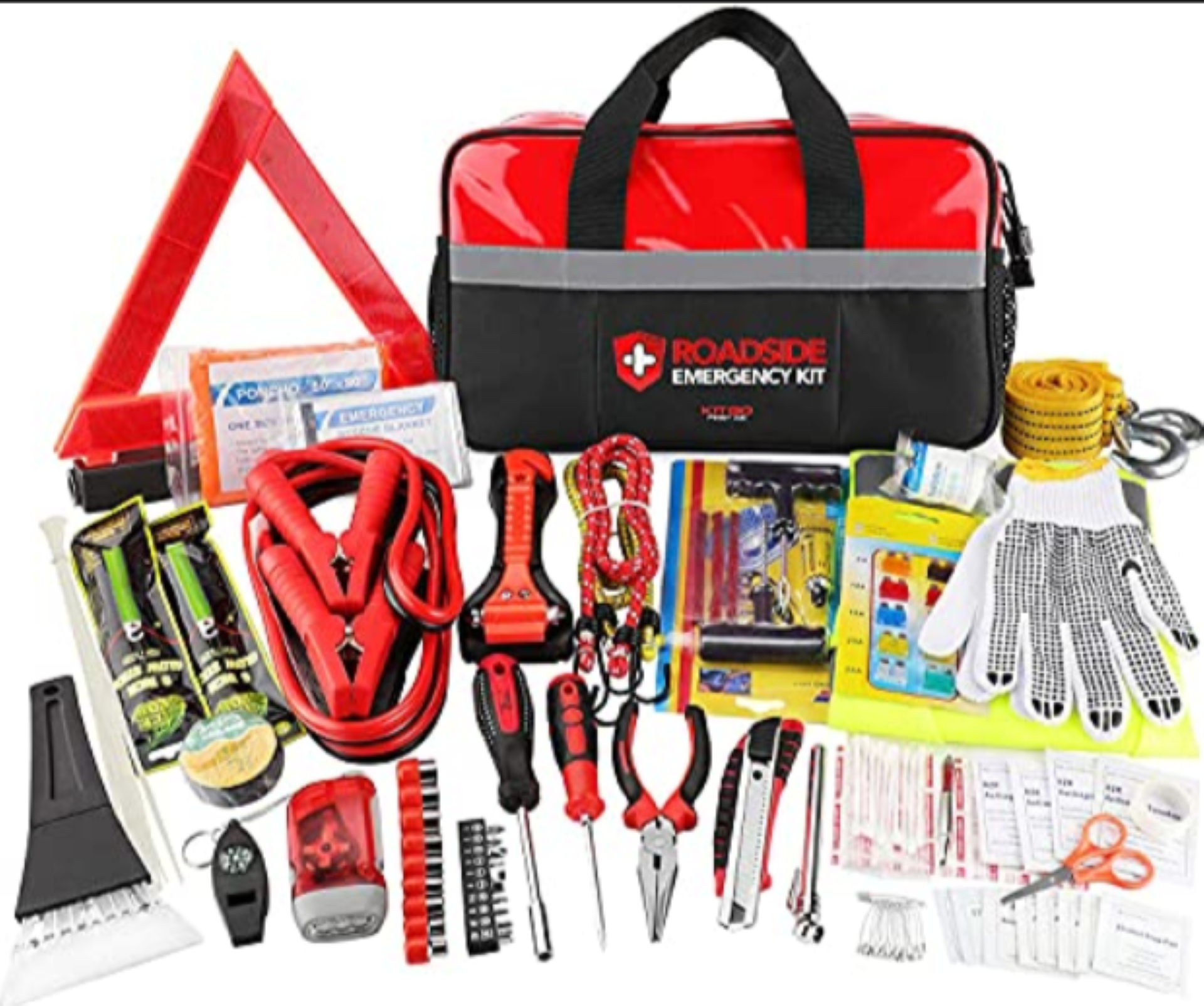
Every experienced truck driver knows that the road can be unpredictable at times. A sudden downpour, a breakdown in the middle of nowhere, or a surprise snowstorm can turn a regular haul into a risky situation. That’s why having a well-stocked emergency kit is essential for safety and preparedness.
But here’s the catch: one-size-fits-all kits do not count. The gear you need in winter isn’t the same as what helps in summer. That’s where seasonal emergency kits come in. By tailoring your supplies to match the weather, you're not just staying safe but protecting your truck from damage, avoiding downtime, and making your long hauls smoother and more efficient.
In this post, we’ll break down exactly what to pack for each season and the year-round essentials every trucker should consider having on board. Whether navigating icy roads or blazing heat, you’ll be ready to hit the road in any weather.
Why Seasonal Emergency Kits are Every Trucker’s Lifeline
When you're out driving your semi-truck during challenging weather condition, having the right tools can make all the difference. A well-equipped seasonal emergency repair kit allows you to handle minor issues before they turn into major breakdowns, helping you stay safe, reduce downtime, and avoid costly damage to your semi-truck or trailer.
These kits allow you to respond quickly to unexpected problems caused by extreme temperatures, poor visibility, or road hazards. Whether it’s a blown tire, an overheating engine, or a sudden electrical issue, having the right gear helps you keep moving with minimal disruption.
Here are the reasons why every trucker should have a seasonal repair kit designed for real-world road conditions:
- It equips you to handle weather-specific risks, including icy roads, extreme heat, heavy rain, and low visibility.
- The kit enables you to make quick fixes, reducing downtime and helping you avoid costly towing services.
- It safeguards your truck and cargo from further damage during unexpected breakdowns.
- By allowing you to manage minor emergencies swiftly, it helps you stay on schedule.
- Having a repair kit can lower costs associated with delays, repairs, and emergency services.
- It provides reassurance when driving through remote or high-risk areas.
- A well-equipped truck reflects positively on you, which matters to dispatchers and fleet managers.
- It helps you stay prepared year-round by providing the right tools for various seasonal challenges.
What to Pack: Seasonal Emergency Kits for Every Trucking Condition
With each season's unique challenges, a seasonal truck driver's emergency kit isn’t optional but essential for road safety and vehicle protection. Tailor your emergency supplies according to the weather situation. This will help you reduce downtime, avoid costly repairs, and stay safe wherever the road takes you.
Here is a breakdown of the must-have weather-specific emergency kits you should not miss in your truck for winter, rainy, and summer driving conditions.
1. Winter Emergency Kit Essentials for Truck Drivers
Freezing weather can severely affect your vehicle's reliability by interfering with the performance of your rig’s batteries, tires, and fuel systems. To ensure a smoother travel experience and minimize the risk of breakdowns during harsh winter conditions, prepare with the following winter-ready essentials:
- Tire chains or traction aids: These accessories enhance grip on icy or snowy roads, allowing for safer navigation on rugged terrain. Install them before you hit the road to avoid stopping in dangerous conditions.
- Thermal blanket or sleeping bag: If you become stranded, a thermal blanket or sleeping bag can provide warmth and comfort, helping to maintain body heat until help arrives.
- Hand warmers and thermal gloves: Keeping your hands warm is essential for maintaining dexterity during roadside checks or minor repairs. Hand warmers can heat for hours, while thermal gloves keep your fingers nimble.
- Windshield de-icer spray: This product accelerates clearing ice and frost from your windshield, allowing for safe visibility during freezing rain or after a snowstorm. It's a time-saver that can make a difference in your morning routine.
- Ice scraper and snow brush: These tools are vital for safely removing ice and snow from your vehicle and ensuring that your lights, mirrors, and windows are clear before you drive. A good snow brush can help prevent damage to your car’s exterior while effectively clearing snow.
- Shovel: A compact yet sturdy shovel is indispensable for digging out tires stuck in snow or ice. Look for a lightweight version that is easy to store in your trunk but strong enough for heavy-duty use.
- Fuel additive (diesel anti-gel): Diesel fuel can gel in extremely cold temperatures, leading to engine problems. A fuel additive designed for this purpose can prevent gelling, ensuring your vehicle runs smoothly.
- Extra food and bottled water: If you get delayed or are stuck due to heavy snowfall, having a supply of non-perishable snacks and bottled water can be a lifesaver. Opt for high-energy foods that can help keep your spirits up.
- Portable jump starter: Batteries are often more prone to failures in winter conditions. A portable jump starter can be a quick solution, eliminating the need for a tow and allowing you to get back on the road quickly.
By preparing with these essential winter tools, you can significantly increase your safety and confidence while driving during the winter season.
2. Rainy Season Emergency Kit Supplies
Navigating roads during the rainy season poses unique challenges, as downpours can reduce visibility, impair traction, and increase the risk of hydroplaning or stalling. To ensure you’re well-prepared for the unpredictable nature of the rainy season, arm your truck with the wet-season essential kit designed to keep your semi-truck moving and you safe and dry.
Here’s a detailed list of must-have items:
- Heavy-duty rain poncho or waterproof gear: As a driver, you must invest in a high-quality rain poncho or waterproof gear. This gear will keep you dry and comfortable during roadside checks or unexpected emergencies, allowing you to focus on safety without being hampered by soaking wet clothes.
- High-Traction Tire Mats: High-traction tire mats can be a lifesaver when stuck in mud or slick parking lots. These mats are designed to provide extra grip and support, helping you loosen your truck quickly and safely in challenging mud conditions.
- Extra Windshield Washer Fluid: Clear visibility is critical when driving in rainy weather. Keeping an ample supply of windshield washer fluid on hand is crucial, especially as mud and rain can cloud your view unexpectedly. Look for washer fluid specifically formulated to tackle grime while enhancing clarity.
- Waterproof Flashlight with Spare Batteries: A reliable flashlight is essential for enhancing visibility during nighttime downpours. Select flashlights with adjustable brightness settings and ensure you have spare batteries packed, as they can be useful during roadside repairs or for checking in low-light conditions.
- Spare Wiper Blades: Rain can come on suddenly, and having spare wiper blades readily available is a smart precaution. Quick replacements will help maintain your vision and ensure you're prepared for sudden storms, allowing safe navigation through heavy rain.
- Rubber Floor Mats: Protecting your truck's interior from mud and debris is crucial for maintaining its cleanliness and value. High-quality rubber floor mats are easy to clean and trap moisture and dirt, keeping your rig tidy even in the elements.
- Dielectric Grease & Electrical Tape: Moisture can ruin the electrical connections in your semi-trailer. Packing dielectric grease helps to seal these connections, preventing shorts caused by water exposure. Likewise, electrical tape is handy for temporary fixes when you notice any vulnerable wiring that needs protection from the elements.
- Plastic Bags for Electronics and Paperwork: While it may seem simple, carrying a supply of plastic bags can be a game-changer for keeping critical gear dry. Use these bags to store important documents, electronics, and other items you wouldn’t want to get wet, providing you peace of mind amid the rain.
By equipping your truck with these essential rainy-season items, you can navigate wet-weather challenges with greater confidence and safety. Stay prepared, and drive carefully!
3. Summer Emergency Kit Checklist for Long-Haul Truckers
During the summer, truck drivers face increased risks due to high temperatures. The extreme heat can place additional stress on vehicles, potentially leading to overheating, tire blowouts, and dehydration. A comprehensive summer emergency kit is essential to enhance safety and comfort while on the road.
Here’s a helpful list of items to include in your kit:
Heavy-Duty Tool Set
These tools empower you to tighten loose components, replace small parts, fix clamps, and manage minor mechanical repairs on the roadside.
- Socket wrenches (both metric and SAE)
- Pliers
- Adjustable wrenches
- Screwdrivers
- Allen keys
- Breaker bars
- Wire cutters
- Electrical tape
Ensure that your tool set is rust-resistant and comes in a compact, weatherproof case, guaranteeing easy access and durability. Being prepared with the right tools can significantly enhance your ability to handle unexpected challenges.
Jump Starter with Built-in Air Compressor
High summer temperatures can damage batteries, particularly in older vehicles. Investing in a lithium-ion jump starter is a practical solution that lets you quickly recharge a dead battery without assistance. Look for models that offer 1000+ peak amps, suitable for heavy-duty vehicles.
Additionally, a built-in air compressor is a valuable feature for re-inflating tires, while USB charging ports can power phones and GPS devices. This versatile tool helps revive your truck and maintain tire pressure, especially after a slow leak or heat-induced deflation.
Extra Coolant and Engine Oil
High temperatures greatly strain your engine and cooling system. Always carry the following;
- A jug of 50/50 premixed coolant (check your truck’s compatibility)
- A few quarts of engine oil and transmission fluid.
These allow you to top off fluids if overheating begins or if your truck burns more oil under strain. Keeping levels stable can prevent engine damage and extend your haul without the expense of towing.
Infrared Thermometer (Contactless)
This small but powerful device measures the surface temperature of engine components, tires, brakes, and hoses without touching them. By diagnosing heat without contact, you can quickly check for overheating hubs or brakes after a steep descent, detect hot spots in your engine that signal early failure, and avoid burns. Choose a thermometer with a laser pointer and a wide temperature range (at least up to 1000°F).
Digital Tire Pressure Gauge
Summer heat can cause tire pressure to rise beyond the manufacturer’s recommendations, which can be dangerous because overinflated tires are prone to blowouts.
A digital gauge will let you.
- Check pressure precisely before and during a haul
- Identify slow leaks or dangerous pressure spikes
- Adjust inflation levels in real-time.
Pair this with your onboard compressor or a portable pump for quick maintenance at rest stops.
Spare Fuses and Electrical Relays
Hot temperatures increase the chance of blown fuses or relays, especially if your A/C, cabin electronics, or lighting systems are heavily used. Keep a labeled fuse and relay kit that matches your truck’s system. Common fixes include:
- Restoring cabin fans or A/C
- Re-activating trailer lights or brake lamps
- Fixing unresponsive dashboard systems
These tiny parts can save you from a massive headache on the road.
Fire Extinguisher (Class B/C Rated)
Increased heat, fluid leaks, and high engine temperatures raise the risk of underhood fires or brake flare-ups. Your fire extinguisher should be DOT-approved for trucks, rated for Class B (flammable liquids) and Class C (electrical fires), easily accessible, and regularly inspected.
Don’t overlook this; it is a legal requirement and a lifesaving tool in the summer heat.
Tire Repair Kit
Tires are under extreme pressure during hot months, and blowouts or punctures are common. A complete repair kit should include:
- Plug tools
- Tire sealant
- Patches
- Rubber cement
- Valve stem caps
- Cores.
This kit helps you make a temporary repair that gets you to the next service stop without relying on a tow.
Heat-Resistant Mechanic Gloves and Kneeling Pad
When metal parts are scalding from the sun, bare hands are not an option. Protective gloves and a padded kneeling mat: Prevent burns when checking under the hood, make handling tools or hot components safer, and provide comfort during roadside inspections or repairs. Choose gloves with a textured grip and heat protection up to 400°F.
Spare Belts and Hoses
Rubber components degrade more quickly at high temperatures. Carry replacements for: Serpentine belts, radiator hoses, clamps, and tensioners. A snapped belt or cracked hose can shut down your entire cooling system. Having a spare set ensures you’re not left stranded over something preventable.
Sunshade for Windshield and UV-Protective Sunglasses
When parked, a sunshade can help keep the cab interior cooler, reducing heat buildup and providing a more comfortable environment upon returning to the truck. You must also protect your eyes from harmful UV rays and reduce glare on sunny days. Look for sunglasses with proper UV400 protection for optimal eye safety.
Plenty of Drinking Water and Electrolyte Drinks or Tablets
Staying hydrated is vital, especially on long summer routes, where sweating can lead to dehydration. Aim to have at least a gallon of water daily to maintain proper hydration. Moreover, you need to replenish essential minerals lost through sweat. Choose a balanced mix of sodium, potassium, magnesium, and calcium to restore electrolyte balance effectively.
You may also need cooling towels or portable fans to relieve heat, lightweight clothing to stay comfortable and dry, sunscreen to protect your skin from strong UV light when working outside, and lip balm to keep your lips moisturized.
These essential items will help you stay safe and comfortable while driving on summer roads.
All-Season Must-Have Kits in Every Truck
Some emergency items are essential to keep in your cab year-round, ensuring you’re prepared for unexpected situations, minor repairs, and common roadside issues. Here’s a detailed list of core supplies that should never leave your vehicle:
- First Aid kit: Equip your kit with a comprehensive range of items, including assorted bandages, antiseptic wipes, pain relief medication, adhesive tape, and burn cream. Consider adding a pair of medical gloves and a pair of scissors to ensure you’re ready to handle minor injuries effectively.
- Reflective vest and portable lifesavers: These items are crucial for enhancing your visibility during a breakdown. A reflective vest allows other drivers to see you from a distance, while warning triangles can be strategically placed behind your vehicle to alert oncoming traffic to your situation.
- Portable tire inflator: An invaluable tool for maintaining tire pressure and preventing costly blowouts. Look for a compact, easy-to-use model, ideally with an integrated pressure gauge to monitor tire health.
- Multi-tool or utility knife: This versatile tool can handle a variety of tasks, from cutting ropes to tightening screws. Opt for a multi-tool with functions like pliers, a screwdriver, and a can opener, providing a handy solution for unexpected repairs.
- Basic tool kit: Including essential tools such as screwdrivers (both flat and Phillips), pliers, wrenches, and duct tape can make a significant difference during roadside repairs. A sturdy toolbox will keep everything organized and easily accessible.
- Fire extinguisher (ABC-rated): An ABC-rated fire extinguisher is suitable for various types of fires, including electrical, flammable liquids, and ordinary combustibles. Make sure it is easily accessible and check its pressure gauge regularly to ensure functionality.
- Jumper cables or power bank jump starter: Jumper cables can save time and money by allowing you to jump-start a dead battery. Alternatively, a power bank jump starter offers a more user-friendly option and can charge your devices in emergencies.
- Phone charger or backup battery pack: To stay connected, you must keep your communication device alive. A fast car charger or a high-capacity backup battery pack ensures your phone stays powered, enabling you to call for help if needed.
- Non-perishable snacks: Storing energy-boosting snacks like protein bars, trail mix, or canned goods can provide essential nutrition during unexpected delays and keep energy levels up.
- Printed list of emergency contacts: Although digital contact lists are convenient, having a printed list is a reliable backup if your phone is lost, dead, or inaccessible. Include essential numbers such as family, friends, roadside assistance, and other relevant services.
With these essential items in your cab, you can ensure you’re prepared for a wide range of roadside challenges, enhancing your safety and peace of mind.
Be Ready, Stay Safe, Keep Rolling
Weather conditions can change rapidly, often without warning, so staying prepared is crucial for anyone on the road, especially truckers and fleet operators. Seasonal emergency kits are vital tools that help mitigate the risks associated with vehicle breakdowns, unexpected delays, and various safety hazards. Reviewing and updating your emergency kit at the start of each season is essential to ensure that you are always ready for whatever challenges the road may present.


.avif)