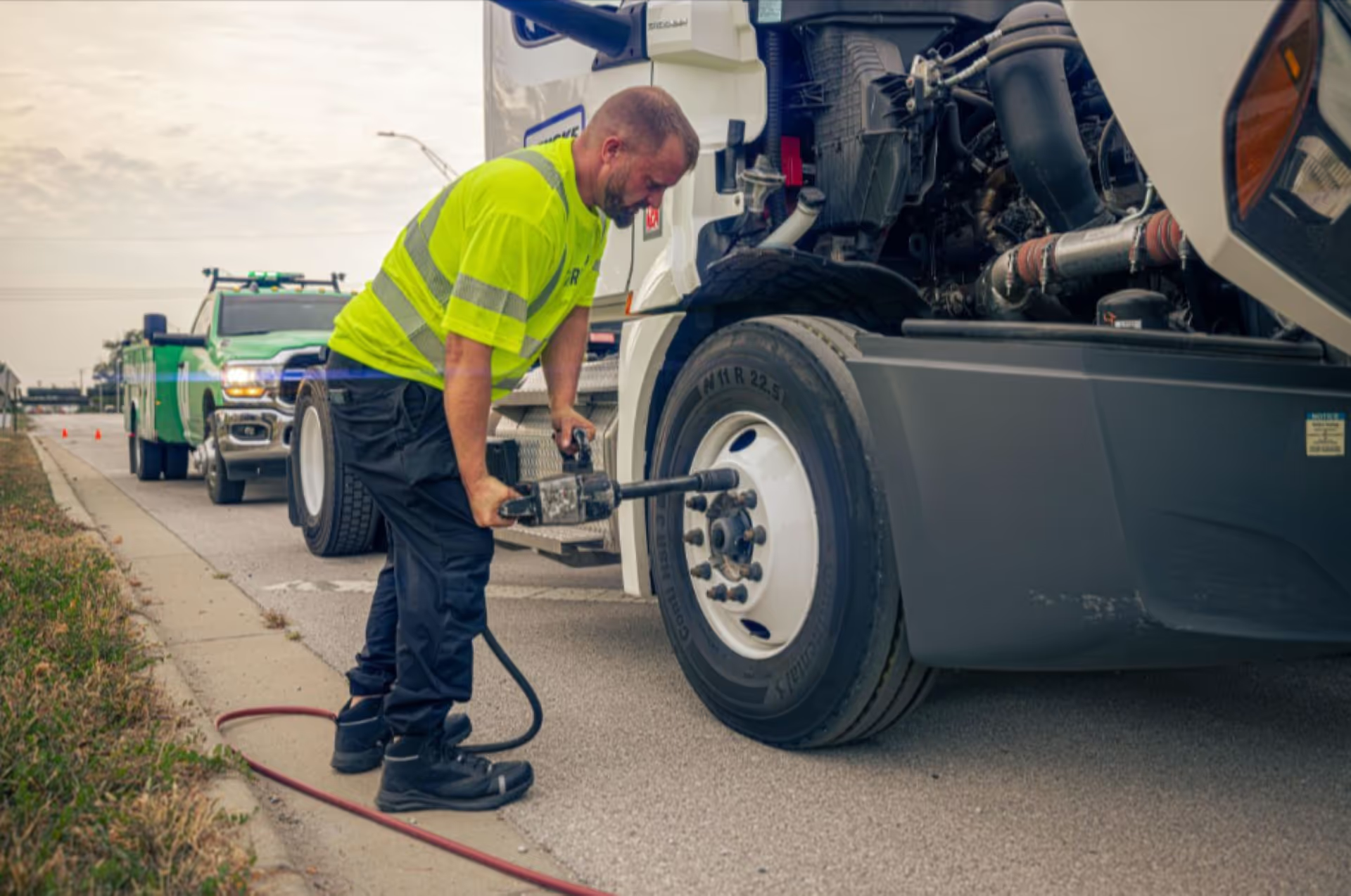
In today’s fast-paced trucking industry, mobile truck repair services have become the go-to solution for keeping fleets running without the costly downtime of shop visits. However, behind convenience and efficiency lies a lesser-known challenge: the workforce struggles to determine whether a repair operation thrives or falls behind.
From the growing shortage of skilled technicians to the pressure of meeting rising repair demands on the go, mobile repair businesses are navigating a complex labor landscape. Many technicians juggle unpredictable work conditions, long hours, and evolving technologies while maintaining the quality and speed fleet operators expect.
This article uncovers the hidden workforce challenges shaping mobile truck repair operations and explores smart, practical ways to overcome them, while helping your business build stronger teams, deliver reliable service, and stay competitive in an industry that never stops moving.
Keep reading for more.
How Mobile Truck Repair Workforce Issues Affect Fleet Operators and Businesses
Workforce struggles in mobile truck repair don’t just slow down service teams they impact your fleet’s uptime, reliability, and bottom line. When skilled technicians are hard to find or stretched too thin, the effects ripple across your operations in ways you can’t afford to ignore.
Here’s how these challenges can affect your business:
- Longer Downtime: A limited or overworked workforce often means slower response times and extended truck outages, delaying deliveries and reducing fleet productivity.
- Rising Maintenance Costs: Factors such as overtime pay, the need for subcontracting, and the frequency of repairs due to hastily completed jobs can significantly increase operating expenses.
- Inconsistent Repair Quality: High turnover rates and a lack of experience among technicians can significantly impact the quality of repairs. When repair work is inconsistent, it often leads to recurring breakdowns, which can frustrate clients and diminish their overall satisfaction with the service.
- Reduced Fleet Reliability: Delayed or incomplete repairs affect vehicle performance and reliability, leading to missed schedules and lost contracts.
- Scheduling and Route Disruptions: The shortage of technicians has created challenges in planning preventive maintenance and responding promptly to unexpected repairs. This can disrupt scheduled routes and timelines, affecting overall efficiency and service delivery.
- Safety and Compliance Risks: When technicians are overworked or insufficiently trained, they may overlook important inspection details. This oversight can increase the risk of roadside breakdowns, potential fines, and safety violations.
- Lower Workforce Morale: When teams experience overwork or a lack of adequate support, it can lead to decreased motivation among members. This decline in morale often results in higher turnover rates and can negatively impact the overall quality of service provided.
Even with advanced diagnostic tools and service vehicles, your mobile repair efficiency depends on the strength of your workforce. Addressing these challenges early helps you maintain uptime, control costs, and deliver reliable service your customers can count on.
10 Hidden Workforce Challenges Affecting Mobile Truck Repair Operations
Mobile truck repair operations rely heavily on skilled, adaptable technicians who promise faster service delivery and reduced downtime in unpredictable conditions. Yet, behind every successful repair lies a series of workforce struggles that often determine whether those benefits become reality. From technician shortages to evolving technology demands, these challenges can affect service quality, efficiency, and business growth.
Below are 10 key workforce challenges that mobile truck repair businesses face and why addressing them is essential to maintaining reliability and competitiveness.
1. Shortage of Skilled Technicians
The trucking industry is facing a deepening talent gap. Many seasoned mechanics are retiring, while not enough young professionals are joining the trade. Mobile repair operations, in particular, struggle to find technically skilled technicians capable of working independently in the field.
As a result of this shortage, companies face longer response times, increased workloads for existing staff, and a heightened risk of employee burnout. These challenges ultimately impact fleet uptime and can lower customer satisfaction, highlighting the need for strategies to attract and retain skilled workers.
2. Keeping Up with Advancing Vehicle Technology
Modern trucks have evolved significantly, featuring electronic control units (ECUs), telematics systems, advanced diagnostic sensors, and traditional mechanical components. This evolution emphasizes the need for mobile technicians to continuously enhance their skills to effectively manage mechanical issues and digital interfaces.
Ongoing training in diagnostics software and telematics integration is crucial. Without this training, technicians may misdiagnose problems or depend on outdated repair methods, potentially prolonging downtime and complicating repairs. Staying current with these advancements is essential for ensuring efficient and accurate vehicle maintenance.
3. Maintaining Service Quality in the Field
Field repairs differ significantly from those conducted in a workshop setting, as they often take place on highways, in customer yards, or in remote locations where tools and resources may be limited. This environment presents a unique challenge in maintaining a consistent level of repair quality among all technicians.
Even minor discrepancies in diagnostic accuracy or repair technique can lead to repeat breakdowns, customer complaints, and lost trust.
4. Balancing Speed with Accuracy
Fleet operators often prioritize quick turnarounds to maintain productivity, but the urgency to expedite repairs can lead to mistakes, resulting in persistent issues or additional damage. Mobile technicians need to strike a balance between efficiency and precision, ensuring that repairs are executed correctly the first time.
However, the pressure to reduce downtime may occasionally result in shortcuts or incomplete repairs, compromising the fleet's long-term reliability.
5. Burnout and Retention Issues in Mobile Truck Repair
The mobile truck repair industry presents unique challenges that can physically and mentally strain technicians. These professionals often work extended hours, face harsh weather conditions, and encounter unforeseen repair issues. Without structured work schedules and mental health support, the risk of burnout escalates significantly.
Additionally, high turnover rates within the industry can adversely affect operations, leading to increased costs associated with training and recruitment. This disrupts workflow and places additional pressure on already stretched profit margins. Addressing these issues is critical for maintaining a stable and effective workforce in mobile truck repair.
6. Limited Access to Tools and Parts
Even the most skilled technician can’t perform effectively without the right equipment. In mobile settings, technicians often lack access to specialized tools or replacement parts, which can be too heavy or large to fit in their service vans, forcing them to postpone repairs or make temporary fixes.
This limitation leads to repeat visits, higher fuel expenses, and customer dissatisfaction, all of which can be prevented with better mobile inventory systems and pre-job planning.
7. Communication Gaps Between Field and Office Teams
Communication breakdowns can derail efficiency in mobile operations. Delayed job updates, unclear diagnostic notes, or misaligned schedules between dispatchers and technicians often result in confusion and wasted time.
When field staff lack real-time coordination tools, small missteps multiply, delaying repairs, increasing downtime costs, and lowering customer confidence.
8. Unoptimized Scheduling and Routing
Mobile repair teams cover large geographic areas. Without intelligent routing and scheduling systems, technicians can spend more time driving than repairing. Poor route planning can increase fuel costs and reduce the number of jobs completed per day.
Optimized dispatching powered by telematics and route analytics can significantly improve efficiency; however, many operators are still lagging in adopting these tools.
9. The Rising Cost of Training and Certification
As truck technology evolves, certifications for diagnostics, electronics, and emissions systems become essential for running a mobile truck repair operation. However, training programs and certification renewals are expensive, especially for small and mid-sized mobile repair businesses.
Sometimes, balancing ongoing education with day-to-day operational demands remains one of this sector's biggest workforce management challenges.
10. Safety and Liability Risks in the Field
Mobile technicians often perform repairs on the roadside or in hazardous environments. Without strict safety protocols and access to protective gear, they’re exposed to injury risks, which can also lead to liability issues for the company.
Fleet repair businesses must train staff on safety best practices and invest in insurance, equipment, and tracking systems that ensure technician well-being in every service call.
Smart Strategies to Overcome Workforce Challenges in Mobile Truck Repairs
While workforce challenges can slow operations and increase costs, they’re not insurmountable. The most successful mobile truck repair businesses recognize the importance of blending a people-centered management approach with technology's efficiency.
Here are some actionable strategies for enhancing team dynamics, elevating service quality, and ensuring the sustainability of your repair operations.
1. Invest in Continuous Training and Upskilling
Ongoing education for technicians is essential and should extend beyond the initial onboarding process. Establish structured training programs that address up-to-date diagnostic software, telematics tools, and the specifics of electric or hybrid truck systems.
Collaborating with training providers, original equipment manufacturers (OEMs), or technical colleges can help ensure your team remains certified and adept at managing complex repairs.
A valuable tip is to promote brief, on-the-job e-learning sessions through mobile applications. This approach is both cost-effective and helps reduce downtime for your operations.
2. Use Technology to Bridge the Skill Gap
Advanced diagnostic tools, augmented reality (AR) assistance, and telematics platforms can help less experienced technicians make accurate decisions faster.
By integrating cloud-based repair management systems, supervisors can remotely monitor field activity, review diagnostic data, and guide technicians in real time. This approach minimizes errors and enhances team consistency, improving overall performance.
3. Prioritize Employee Retention and Well-Being
A strong workforce strategy starts with happy technicians. Offer competitive pay, establish clear pathways for career advancement, and implement performance-based recognition programs.
Additionally, small but meaningful initiatives, such as flexible scheduling, adequate rest periods, and proper protective equipment, can significantly mitigate fatigue and lower turnover rates. When technicians feel appreciated and valued, their commitment to the organization strengthens, leading to better performance and longer tenure.
4. Improve Communication Between Field and Office Teams
To optimize efficiency, technicians and dispatchers must be provided with real-time communication tools. Utilizing mobile repair management applications and cloud-based job-tracking systems can significantly improve coordination.
Streamlined communication helps minimize job overlaps, ensures timely updates, and enhances collaboration. As a result, field teams can operate more efficiently, while office teams can better plan and manage resources.
5. Enhance Scheduling and Route Planning
Implementing GPS-enabled fleet management software can significantly streamline job assignments and optimize routes. By utilizing smart dispatching, technicians can minimize their time on the road, allowing them to focus more on completing repairs.
Additionally, integrating predictive maintenance alerts from telematics systems enables proactive repair scheduling, helping to address issues before they lead to breakdowns.
6. Strengthening Mobile Inventory and Parts Management
To enhance efficiency in service operations, it's essential to equip service trucks with the right and commonly utilized automotive tools and components, using data from previous service calls to inform these decisions.
Implementing an inventory tracking system allows technicians to have real-time visibility into what is available on each unit, significantly reducing the likelihood of return trips due to missing parts. This strategic approach saves valuable time and boosts customer satisfaction by ensuring timely and effective service delivery.
7. Make Safety a Core Workforce Value
To enhance safety within the workforce, it is essential to prioritize and embed safety as a core value. Implementing comprehensive safety protocols for roadside repairs is crucial. This includes the use of appropriate signage, adequate lighting, and personal protective equipment (PPE) to ensure the well-being of your heavy-duty repair technicians.
Advocating for regular safety training sessions and encouraging your technicians to use checklists to ensure they have all the safety gear on before handling a repair can significantly reduce the likelihood of accidents. Additionally, these practices reflect the company's dedication to the welfare of its technicians, fostering trust and professionalism in the field.
8. Encouraging Mentorship and Knowledge Sharing
Establishing a mentorship program that pairs experienced technicians with newer recruits effectively bridges the gap in expertise among team members. This structured approach enhances skills, improves problem-solving abilities, and fosters a supportive team culture.
Organizations can reduce reliance on external training and cultivate valuable in-house expertise by facilitating an environment where technicians learn from one another.
9. Leverage Data for Workforce Planning
Analyzing data from telematics and repair management systems is essential to identifying productivity trends, assessing technician performance, and pinpointing recurring service delays.
Leveraging these insights can help your organization make informed decisions regarding staffing levels, shift allocations, and training requirements, ultimately ensuring that the workforce remains agile and well-balanced.
10. Collaborate with Industry Associations and OEM Networks
Your truck repair business must establish connections with relevant industry organizations and original equipment manufacturer (OEM) networks to stay ahead of the curve and effectively address operational challenges. This collaboration is vital for ensuring your team remains up-to-date with the latest tools, certifications, and industry standards.
By networking, you can gain early access to valuable resources and create opportunities for co-training programs and collaborative solutions. These partnerships are particularly beneficial for smaller operators, enhancing their competitiveness against larger fleets. Building these relationships will ultimately strengthen your business and improve its overall performance.
How to Turn Workforce Challenges Into a Competitive Advantage
The success of a mobile truck repair operation is fundamentally linked to its workforce. The industry faces significant challenges, including technician shortages, skill gaps, and pressures for enhanced efficiency. However, these challenges also present opportunities for innovation and leadership.
Fleet operators who prioritize continuous training, implement advanced technologies, and focus on the well-being of their technicians are experiencing notable improvements in performance, quicker repair times, and increased customer satisfaction.
By tracking and measuring essential key performance indicators (KPIs) such as first-time fix rates, technician utilization, and job completion times, businesses can identify areas that need improvement and transform their workforce management approach from speculation to a data-driven strategy that supports long-term growth.
Looking toward the future, emerging trends like AI-assisted diagnostics, electric vehicle (EV) maintenance, and sustainable repair practices are set to reshape the definition of a skilled mobile technician. Those who actively prepare for these changes will attract top talent and establish benchmarks for reliability and service excellence in the industry.
Providers who effectively integrate human expertise with digital intelligence will define the future of mobile repair services. Nurturing and empowering a workforce enables a fleet and business to progress rapidly.

.avif)